

صياغة التميز في البرمجيات
دعنا نبني شيئاً استثنائياً معاً.
اعتمد على شركة Lasting Dynamics للحصول على جودة برمجيات لا مثيل لها.
ميشيل سيمينو
نوفمبر 03, 2025 • 11 min read

تطوير البرمجيات الخارجية في نيوزيلندا تكتسب زخمًا سريعًا في الوقت الذي تبحث فيه المؤسسات في جميع أنحاء العالم عن طرق مبتكرة لمعالجة النقص في المواهب، وتسريع التحول الرقمي، والحفاظ على الصدارة في سوق عالمي يتسم بمنافسة متزايدة. وبفضل نظامها البيئي التكنولوجي القوي، وقوتها العاملة الماهرة، وسمعتها في الموثوقية، تبرز نيوزيلندا كخيار ممتاز للتطوير الخارجي.
ما يميز نيوزيلندا عن غيرها هو التقاء عدة عوامل رئيسية: الطلب المتزايد على الخبرات المتخصصة في مجالات مثل الحوسبة السحابية والذكاء الاصطناعي والأمن السيبراني؛ وضرورة وجود حلول فعالة من حيث التكلفة مع تلبية أعلى معايير الجودة؛ والأهمية المتزايدة للتعاون الدولي في تعزيز مرونة الأعمال. هذه العناصر مجتمعةً تضع تطوير البرمجيات الخارجية في نيوزيلندا كفرصة قوية للشركات التي تسعى إلى المرونة والابتكار.
تستكشف هذه المدونة الجوانب والتحديات والفرص الأساسية لتطوير البرمجيات الخارجية في نيوزيلندا، وتقدم رؤى قابلة للتنفيذ للشركات التي ترغب في تسخير المواهب والتكنولوجيا العالمية لتحقيق النمو المستدام والتحول الرقمي. سواء كنت تفكر في شراكتك الخارجية الأولى أو تحسين استراتيجيتك الحالية، فإن فهم المزايا الفريدة لنيوزيلندا سيكون أمراً بالغ الأهمية لتشكيل النجاح في السنوات المقبلة.

بناء أكثر ذكاءً مع تطوير البرمجيات الخارجية في نيوزيلندا. الصورة لستيفان ستيفان ستيفانسيك على Unsplash: https://unsplash.com/photos/person-wearing-long-sleeve-top-working-on-laptop-5p_7M5MP2Iw
يشير مصطلح "تطوير البرمجيات في الخارج" إلى ممارسة تفويض مهام هندسة البرمجيات إلى فرق خارجية موجودة في بلدان مختلفة، وغالباً ما يكون ذلك للوصول إلى المهارات المتخصصة وخفض التكاليف وتسريع الجداول الزمنية للمشروع. في سياق نيوزيلندا، تزداد أهمية هذا النهج في الوقت الذي تعاني فيه الشركات المحلية من النقص المستمر في مهندسي البرمجيات المؤهلين والحاجة إلى تقديم منتجات رقمية عالية الجودة على نطاق واسع.
وتتضمن العملية عادةً إقامة شراكات مع بائعين خارجيين أو إنشاء فرق مخصصة عن بُعد تعمل بالتعاون الوثيق مع أصحاب المصلحة المحليين. يمكن أن تتراوح هذه الترتيبات من الاستعانة بمصادر خارجية للمشاريع إلى تحالفات استراتيجية طويلة الأجل، اعتماداً على مدى تعقيد ونطاق مبادرات البرمجيات. إن تطوير البرمجيات الخارجية لا يتعلق فقط بتوفير التكاليف؛ بل يتعلق أيضاً بالوصول إلى أحدث التقنيات ووجهات النظر المتنوعة والإنتاجية على مدار الساعة من خلال فرق موزعة.
بالنسبة للمؤسسات النيوزيلندية، يوفر تطوير البرمجيات في الخارج سبيلاً لسد الفجوة بين الطلب في السوق والمواهب المتاحة. فهي تُمكِّن الشركات من الحفاظ على مرونتها، والاستجابة بسرعة لاحتياجات العمل المتغيرة, والحفاظ على ميزة تنافسية في اقتصاد رقمي سريع التطور. ومع استمرار سوق البرمجيات العالمية في التوسع، من المقرر أن يلعب التطوير الخارجي دوراً أكثر أهمية في تشكيل مستقبل صناعة التكنولوجيا في نيوزيلندا.
إحدى المزايا الأكثر إلحاحاً لتطوير البرمجيات الخارجية في نيوزيلندا هي فعالية التكلفة. فمن خلال الشراكة مع فرق في بلدان تكون فيها تكاليف العمالة أقل، يمكن للشركات النيوزيلندية تحقيق وفورات كبيرة, على الأقل مع 30% مقارنة بتكاليف التنمية المحلية. تسمح هذه المرونة المالية للمؤسسات بتخصيص الموارد بشكل أكثر كفاءة، والاستثمار في الابتكار، وتوسيع نطاق عملياتها دون عبء النفقات العامة المرتفعة.
يعد الوصول إلى مجموعة أوسع من المواهب ميزة رئيسية أخرى. يواجه قطاع التكنولوجيا في نيوزيلندا نقصاً كبيراً في المهارات، حيث لا تُخرِّج الجامعات المحلية سوى جزء بسيط من المهندسين اللازمين لتلبية الطلب في هذا القطاع. يفتح التطوير في الخارج الباب أمام الخبرات المتخصصة في مجالات مثل الذكاء الاصطناعي والحوسبة السحابية والأمن السيبراني، والتي غالباً ما تكون غير متوفرة محلياً. هذا الوصول إلى المواهب العالمية لا يسد الثغرات الحرجة فحسب، بل يجلب أيضاً وجهات نظر جديدة وحلولاً مبتكرة للتحديات المعقدة.
تساهم مزايا المنطقة الزمنية في زيادة جاذبية التطوير في الخارج. فمن خلال العمل مع فرق في مناطق مختلفة، يمكن للشركات النيوزيلندية تحقيق دورات تطوير شبه مستمرة، مما يسرع من تسليم المشاريع ويقلل من الوقت اللازم للوصول إلى السوق. تُعد هذه الإنتاجية التي تعمل على مدار الساعة طوال أيام الأسبوع ذات قيمة خاصة للشركات التي تعمل في الصناعات سريعة الوتيرة حيث تكون السرعة والمرونة أمرًا بالغ الأهمية. إن الجمع بين التوفير في التكاليف والوصول إلى المواهب والكفاءة التشغيلية يجعل من تطوير البرمجيات الخارجية أحد الأصول الاستراتيجية للمؤسسات النيوزيلندية التي تتطلع إلى الازدهار في مشهد عالمي تنافسي.
على الرغم من فوائده العديدة، فإن تطوير البرمجيات الخارجية لا يخلو من التحديات. يمكن أن تؤدي حواجز التواصل واختلافات المناطق الزمنية والفروق الثقافية الدقيقة إلى تعقيد التعاون وتؤدي إلى سوء الفهم إذا لم تتم إدارتها بشكل استباقي. بالنسبة للشركات النيوزيلندية، يعد التواصل الفعال ضرورياً لضمان فهم متطلبات المشروع بوضوح ومواءمة التوقعات عبر فرق العمل المتفرقة جغرافياً.
ولمواجهة هذه التحديات، تتبنى المؤسسات بشكل متزايد منهجيات الإدارة الرشيقة للمشاريع والاستفادة من أدوات التعاون المتقدمة. وتساعد مؤتمرات الفيديو المنتظمة ومنصات المراسلة في الوقت الفعلي وأنظمة التوثيق المشتركة على سد الفجوة بين فرق العمل المحلية والخارجية، مما يعزز الشفافية والمساءلة. كما يمكن أن يؤدي وضع بروتوكولات اتصال واضحة وجدولة ساعات العمل المتداخلة إلى التخفيف من تأثير الاختلافات في المناطق الزمنية، مما يضمن معالجة القضايا الحرجة على الفور.
ومن الشواغل الشائعة الأخرى الحفاظ على معايير الجودة والأمن عند العمل مع شركاء خارجيين. تُعد عمليات اختيار البائعين الصارمة والعقود الشاملة وأطر العمل القوية لضمان الجودة ضرورية لحماية الملكية الفكرية وضمان أن تفي المخرجات بالمعايير المطلوبة. من خلال الاستثمار في العناية الواجبة وبناء علاقات قوية قائمة على الثقة مع البائعين الخارجيين, يمكن للشركات النيوزيلندية التغلب على التحديات التشغيلية وإطلاق الإمكانات الكاملة للتعاون العالمي.
يشتهر قطاع التكنولوجيا في نيوزيلندا بثقافة الابتكار والتعليم عالي الجودة والقوى العاملة التي تتفوق في الإبداع وحل المشكلات. تعد المراكز التكنولوجية الرئيسية مثل أوكلاند وويلينغتون موطناً لمزيج نابض بالحياة من الشركات الراسخة والشركات الناشئة الديناميكية، مما يساهم في نظام بيئي قوي يجذب الاستثمارات المحلية والدولية. ويحظى المطورون النيوزيلنديون بتقدير خاص لما يتمتعون به من أسس تقنية قوية وقدرة على التكيف ونهج تعاوني في هندسة البرمجيات.
ومع ذلك، تواجه البلاد فجوة مستمرة في المهارات، حيث يفوق الطلب على مطوري البرمجيات العرض بكثير. حصل حوالي 71 تيرابايت و23 تيرابايت فقط من خريجي الجامعات في عام 2023 على شهادات في مجالات العلوم والتكنولوجيا والهندسة والرياضيات, ونسبة أقل متخصصة في تكنولوجيا المعلومات. ويتفاقم هذا النقص بسبب المنافسة العالمية على المواهب، حيث تقوم الشركات الخارجية بتوظيف مطورين نيوزيلنديين بشكل متزايد لشغل وظائف عن بُعد، مما يزيد من حدة أزمة المواهب المحلية.
ولمواجهة هذه التحديات، تستثمر الشركات النيوزيلندية في مبادرات تحسين المهارات وإعادة التدريب، بالإضافة إلى برامج التنوع والشمول التي تستفيد من المجموعات الممثلة تمثيلاً ناقصاً. يتراوح متوسط أجر الساعة للمطورين النيوزيلنديين بين من $50 إلى $90, مما يعكس الجودة العالية والخبرة المتاحة. وعلى الرغم من أن هذا قد يكون أعلى من بعض الوجهات الخارجية، إلا أنه يعتبر فعالاً من حيث التكلفة نظراً للموثوقية والابتكار الذي تجلبه المواهب المحلية إلى الطاولة. من خلال الجمع بين نقاط القوة المحلية والشراكات الخارجية، يمكن للشركات النيوزيلندية بناء فرق تطوير مرنة وعالية الأداء.

قيادة النجاح الرقمي مع تطوير البرمجيات الخارجية. الصورة من هيدواي على Unsplash: https://unsplash.com/photos/macbook-pro-beside-white-ceramic-mug-on-brown-wooden-table-PghbQpGHWgs
الأساس المنطقي المالي لتطوير البرمجيات الخارجية في نيوزيلندا مقنع. وتتراوح معدلات التطوير المحلي عادةً بين $100 to $175 NZD per hour (approx. $60–$105 USD), في حين أن المعدلات الخارجية في آسيا وأوروبا الشرقية يمكن أن تصل إلى $20 إلى $50 دولار أمريكي للساعة الواحدة. يُترجم هذا الفارق الكبير في التكلفة إلى وفورات في تكاليف العمالة وحدها، مما يسمح للشركات بزيادة ميزانياتها المخصصة لتكنولوجيا المعلومات والاستثمار في مبادرات النمو الاستراتيجية.
بالإضافة إلى الوفورات المباشرة في العمالة، يقلل التطوير في الخارج من التكاليف العامة المرتبطة بالمساحات المكتبية والمعدات ومزايا الموظفين. يمكن للشركات إشراك فرق العمل الخارجية على أساس المشروع، والدفع مقابل العمل المطلوب فقط وتجنب الالتزامات طويلة الأجل للتوظيف بدوام كامل. كما تقدم بعض الوجهات الخارجية أيضاً حوافز ضريبية لخدمات تكنولوجيا المعلومات، مما يقلل من التكلفة الفعلية للتطوير.
تعد قابلية التوسع ميزة مالية أخرى. يمكّن مزودو الخدمات الخارجية الشركات النيوزيلندية من زيادة أو تخفيض فرق التطوير بسرعة استجابةً لاحتياجات المشروع، دون التأخير والتكاليف التي يتطلبها التوظيف المحلي. هذه المرونة ذات قيمة خاصة للشركات الناشئة والشركات سريعة النمو التي تحتاج إلى التكيف بسرعة مع ظروف السوق المتغيرة. وبالاستفادة من التطوير الخارجي، يمكن للمؤسسات النيوزيلندية تحقيق مرونة مالية أكبر وتعظيم العائد على استثماراتها التكنولوجية.
دعنا نبني شيئاً استثنائياً معاً.
اعتمد على شركة Lasting Dynamics للحصول على جودة برمجيات لا مثيل لها.
تستند صناعة تطوير البرمجيات في نيوزيلندا إلى بنية تحتية رقمية قوية وثقافة مزدهرة للابتكار. تؤكد استراتيجية الحكومة للتحول الرقمي على اعتماد الحلول القائمة على السحابة والأتمتة وأطر الأمن السيبراني المتقدمة، مما يخلق أساساً متيناً لمشاريع البرمجيات المحلية والخارجية على حد سواء. تُصنَّف أوكلاند، على سبيل المثال، من بين أفضل المدن العالمية من حيث نضج الصناعة السحابية، مما يعكس موثوقية عمودها الفقري الرقمي وقابليته للتطوير.
تغذي منظومة الابتكار في البلاد الحوافز الحكومية والمجتمعات التكنولوجية النشطة والتركيز القوي على البحث والتطوير. اكتسبت شركات ناشئة مثل Soul Machines و Hnry اعترافاً دولياً بأعمالها الرائدة في مجال الذكاء الاصطناعي والأتمتة، مما يُظهر قدرة نيوزيلندا على تصدير الخبرات الرقمية إلى جميع أنحاء العالم. كما يدعم وجود جامعات مصنفة عالمياً وقطاع رأس المال الاستثماري المتنامي تطوير التقنيات المتطورة والتعاون بين القطاعات المختلفة.
تُبرز نقاط القوة القطاعية في مجالات التكنولوجيا المالية والتكنولوجيا الزراعية والصناعات الإبداعية تنوع قدرات نيوزيلندا في مجال تطوير البرمجيات. فالتكنولوجيا المالية وحدها ستحقق إيرادات تزيد عن $79.38 مليار خلال عام 2023، في حين تعمل شركات التكنولوجيا الإبداعية على دفع عجلة النمو الاقتصادي وجذب المواهب العالمية. ويضع هذا البيئة الديناميكية نيوزيلندا في موقع مركز تكنولوجي عالمي صاعد، قادر على تقديم حلول مبتكرة من خلال نماذج التطوير المحلية والخارجية على حد سواء.
يتطلب الانخراط في تطوير البرمجيات الخارجية اهتماماً دقيقاً بالعوامل القانونية والتشغيلية. فاختيار الولاية القضائية للشركاء الخارجيين يؤثر بشكل كبير على صياغة العقود وإنفاذها وإدارة المخاطر. وغالباً ما يتم تفضيل البلدان ذات الأطر القانونية الراسخة، مثل سنغافورة وأوروبا الشرقية، بسبب هياكل الامتثال القوية وآليات تسوية المنازعات الفعالة.
تعتبر حماية الملكية الفكرية من الشواغل الهامة. يجب أن تحدد العقود بوضوح ملكية الملكية الفكرية وحقوق النقل والتزامات السرية، بما يضمن احتفاظ الشركات النيوزيلندية بالسيطرة على تكنولوجياتها المسجلة الملكية. من الضروري إقامة شراكات مع البائعين في الولايات القضائية التي لديها قوانين ملكية فكرية قوية وموقعة على معاهدات دولية مثل اتفاقية تريبس. كما أن خصوصية البيانات والامتثال الأمني مهمان بنفس القدر، خاصةً بالنسبة للمشاريع التي تنطوي على معلومات حساسة أو عملاء دوليين خاضعين للوائح مثل اللائحة العامة لحماية البيانات العامة أو CCPA.
تشمل أفضل الممارسات التشغيلية الاختيار الدقيق للبائعين، وعمليات التدقيق المنتظمة، واستخدام منهجيات إدارة المشاريع الرشيقة للحفاظ على الشفافية والمساءلة. يمكن أن يساعد إشراك خبراء قانونيين محليين على دراية باللوائح التنظيمية النيوزيلندية والخارجية على حد سواء في تخفيف المخاطر وضمان التنفيذ السلس للمشروع. من خلال إعطاء الأولوية للوضوح القانوني والتميز التشغيلي، يمكن للشركات النيوزيلندية أن تتعامل بثقة مع تعقيدات تطوير البرمجيات الخارجية.
تعد الإدارة الفعالة للمشاريع حجر الزاوية في نجاح تطوير البرمجيات عن بُعد. وتتجه الشركات النيوزيلندية بشكل متزايد إلى اعتماد منهجيات «أجايل»، التي تركز على التطوير التكراري، والتغذية الراجعة المستمرة، والتعاون الوثيق بين الفرق المحلية والفرق العاملة عن بُعد. ويساعد هذا النهج على ضمان بقاء المشاريع متوافقة مع الأهداف التجارية، وقدرتها على التكيف بسرعة مع المتطلبات المتغيرة.
التواصل عامل نجاح حاسم. فالاجتماعات المنتظمة عبر الفيديو والرسائل الفورية وأدوات إدارة المشروع المشتركة تعزز الشفافية وتبقي جميع أصحاب المصلحة على اطلاع دائم. يساعد تحديد الأدوار والمسؤوليات ومسارات التصعيد الواضحة على منع سوء الفهم ويضمن معالجة المشكلات على الفور. يمكن أن تؤدي جدولة ساعات العمل المتداخلة والتدريب على الحساسية الثقافية إلى سد الفجوة بين الفرق المتباعدة جغرافياً.
إدارة المخاطر هي جانب رئيسي آخر. من خلال تنويع فرق العمل في الخارج عبر بلدان متعددة، يمكن للشركات النيوزيلندية التحوط ضد المخاطر الجيوسياسية وتعطل سلسلة التوريد. وتسمح نماذج المشاركة المرنة، مثل عقود السعر الثابت أو عقود الوقت والمواد، للشركات باختيار النهج الأكثر فعالية من حيث التكلفة لكل مشروع. وتمكّن هذه الاستراتيجيات، إلى جانب عمليات ضمان الجودة القوية، المؤسسات النيوزيلندية من تعظيم قيمة تطوير البرمجيات الخارجية.
يتشكل مستقبل تطوير البرمجيات الخارجية في نيوزيلندا من خلال عدة اتجاهات رئيسية. يتسارع اعتماد الذكاء الاصطناعي والتعلم الآلي وتحليلات البيانات، مما يؤدي إلى زيادة الطلب على المهارات المتخصصة التي غالباً ما يتم الحصول عليها من خلال الشراكات الخارجية. تستمر الحوسبة السحابية في لعب دور محوري، مما يتيح بيئات تطوير قابلة للتطوير وآمنة وفعالة من حيث التكلفة تدعم الفرق الموزعة والابتكار السريع.
مع اكتساب مبادرات التحول الرقمي زخماً، من المتوقع أن تتبنى الشركات النيوزيلندية نهجاً أكثر توازناً، يجمع بين المواهب المحلية والدولية لبناء فرق عمل مرنة وعالية الأداء. إن الدعم الحكومي المستمر للابتكار الرقمي، إلى جانب ثقافة التعاون القوية، يهيئ نيوزيلندا للاستفادة من اتجاهات تطوير البرمجيات والحفاظ على ميزتها التنافسية.
ستؤدي أفضل الممارسات الناشئة في مجال الامتثال القانوني وخصوصية البيانات وإدارة المشاريع إلى زيادة تبسيط الارتباطات الخارجية، مما يقلل من المخاطر ويضمن تحقيق نتائج ناجحة. مع نضوج السوق، ستكون المؤسسات النيوزيلندية التي تتبنى تطوير البرمجيات الخارجية في وضع جيد لدفع عجلة النمو وتعزيز الابتكار وتقديم قيمة لعملائها في عالم مترابط بشكل متزايد.
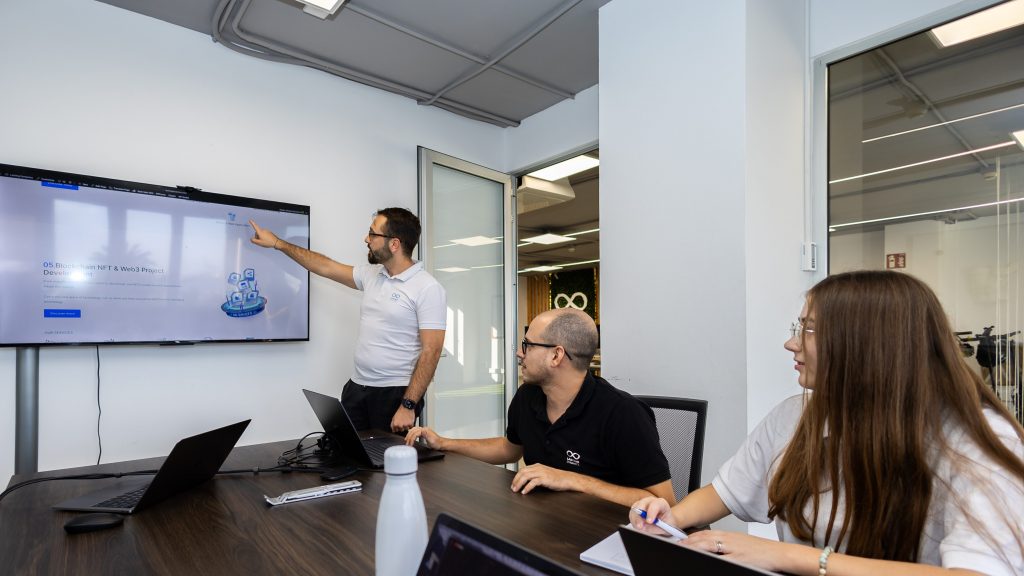
يمر تطوير البرمجيات الخارجية في نيوزيلندا بمنعطف محوري، حيث يوفر للشركات وسيلة قوية لمعالجة النقص في المواهب، ودفع عجلة الابتكار، وتحقيق نمو فعال من حيث التكلفة. من خلال الاستفادة من المواهب العالمية والتقنيات المتقدمة والممارسات القوية لإدارة المشاريع، يمكن للمؤسسات النيوزيلندية التغلب على القيود المحلية والمنافسة على الساحة العالمية. إن الدمج الاستراتيجي للتطوير الخارجي في العمليات التجارية لا يحقق فوائد مالية وتشغيلية فحسب، بل يعزز أيضاً ثقافة التعاون والتحسين المستمر.
مع تطور هذا القطاع، ستكون الشركات التي تولي الأولوية للامتثال القانوني وضمان الجودة والتواصل الفعال في أفضل وضع لتحقيق الإمكانات الكاملة لتطوير البرمجيات في الخارج. ويبدو المستقبل مشرقاً لقطاع التكنولوجيا في نيوزيلندا، حيث تُعد الشراكات الخارجية محفزاً للابتكار المستدام والنجاح في العصر الرقمي.
Ready to unlock the full potential of offshore software development in New Zealand? 👉 الشراكة مع Lasting Dynamics للوصول إلى مواهب عالمية المستوى وحلول مبتكرة وسجل حافل بالنجاح. اتصل بنا اليوم لمناقشة مشروعك واكتشف كيف يمكننا مساعدتك في تحقيق أهداف عملك في عام 2025 وما بعده.
ينطوي تطوير البرمجيات الخارجية على الشراكة مع فرق خارجية في بلدان أخرى لبناء حلول برمجية. وهي مهمة للشركات النيوزيلندية لأنها تعالج النقص في المواهب المحلية، وتقلل من التكاليف، وتوفر إمكانية الوصول إلى المهارات المتخصصة التي قد لا تكون متاحة بسهولة محلياً.
يمكن للشركات توفير ما بين 40% و70% من تكاليف التطوير من خلال الاستفادة من فرق العمل الخارجية، وذلك بفضل انخفاض معدلات العمالة وانخفاض النفقات العامة مقارنة بالتوظيف المحلي.
وتشمل التحديات الرئيسية عوائق التواصل، والاختلافات في المناطق الزمنية، والمسائل القانونية والامتثال، والحفاظ على معايير الجودة. ويمكن التخفيف من حدة هذه التحديات من خلال الإدارة الفعالة للمشروع، والعقود الواضحة، وعمليات اختيار البائعين القوية.
بدءاً من الفكرة إلى الإطلاق، نقوم بتصميم برامج قابلة للتطوير مصممة خصيصاً لتلبية احتياجات عملك.
شارك معنا لتسريع نموك.
تشمل التقنيات الشائعة الحوسبة السحابية، والذكاء الاصطناعي، والتعلم الآلي، وأطر عمل الأمن السيبراني، وأدوات إدارة المشاريع الحديثة مثل Jira وSlack وGitHub.
من خلال الشراكة مع البائعين في الولايات القضائية ذات الأطر القانونية القوية، وتحديد بنود حماية الملكية الفكرية والبيانات بوضوح في العقود، والالتزام بالمعايير الدولية مثل اللائحة العامة لحماية البيانات وقانون حماية البيانات العامة، يمكن للشركات حماية مصالحها وضمان الامتثال.
توفر شركة Lasting Dynamics حلولاً جاهزة لتطوير البرمجيات في الخارج، وتجمع فرقاً متخصصة ذات خبرة في التقنيات الحديثة والمنهجيات الرشيقة.
حوّل الأفكار الجريئة إلى تطبيقات قوية.
Let’s create software that makes an impact together.

ميشيل سيمينو
أؤمن بالعمل الجاد والالتزام اليومي كوسيلة وحيدة للحصول على النتائج. أشعر بجاذبية لا يمكن تفسيرها للجودة وعندما يتعلق الأمر بالبرمجيات فهذا هو الدافع الذي يجعلني وفريقي نتمسك بشدة بممارسات أجايل والتقييمات المستمرة للعمليات. لديّ موقف تنافسي قوي تجاه كل ما أتناوله - بطريقة لا أتوقف فيها عن العمل، حتى أصل إلى القمة، وبمجرد أن أصل إلى القمة، أبدأ العمل للحفاظ على مكانتي.
