

صياغة التميز في البرمجيات
دعنا نبني شيئاً استثنائياً معاً.
اعتمد على شركة Lasting Dynamics للحصول على جودة برمجيات لا مثيل لها.
ميشيل سيمينو
13 فبراير 2026 • 10 دقائق للقراءة

في عام 2026، يقف قطاع الرعاية الصحية عند نقطة التقاء التكنولوجيا والرعاية. ومع تسارع وتيرة التحول الرقمي، أصبحت البرمجيات المخصصة عنصرًا لا غنى عنه لمقدمي الخدمات والجهات الممولة والمرضى على حد سواء. وتواجه المؤسسات حاليًا ضغوطًا متزايدة لتقديم حلول آمنة وقابلة للتوسع وسهلة الاستخدام تلبي الاحتياجات السريرية والإدارية على حد سواء.
يتطلب هذا المشهد المتغير أكثر من مجرد أدوات جاهزة للاستخدام؛ فالبرمجيات المخصصة هي مفتاح الكفاءة التشغيلية وتحقيق نتائج متميزة للمرضى. علينا أن نستكشف الجوانب الأكثر صلة بهذا التطور، والأسباب التي تجعل الرعاية الصحية الرقمية تكتسب أهمية متزايدة، بالإضافة إلى الإشارة إلى الدور الذي تلعبه Lasting Dynamics في هذه الثورة.
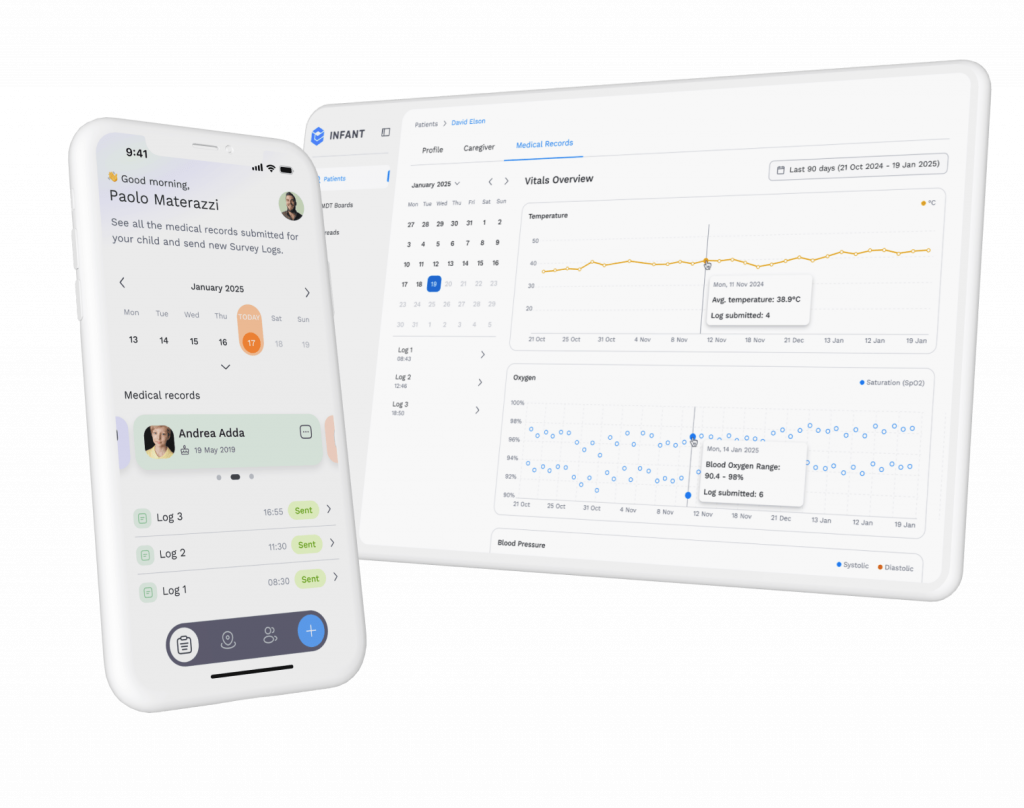
تطورت تكنولوجيا الرعاية الصحية لتصبح مجالاً واسعاً ومترابطاً. وهي تشمل الآن منصات الطب عن بُعد، والأجهزة القابلة للارتداء، وأدوات الذكاء الاصطناعي للكشف المبكر، والأنظمة التي تراقب المرضى من منازلهم. ويؤدي كل عنصر دورًا في دعم الأطباء والإداريين وشركات التأمين والمرضى، الذين لديهم جميعًا توقعات وقيود مختلفة. وللتعامل مع هذه البيئة، تحتاج المؤسسات إلى فهم راسخ لكيفية تفاعل هذه المكونات وما تحتاجه كل فئة.
مع ظهور لوائح جديدة وزيادة صرامة معايير تبادل البيانات، يتعين على أنظمة الرعاية الصحية أن تظل قادرة على التكيف. فالتكنولوجيا التي كانت تُعتبر كافية في السابق قد تصبح غير مرنة عند تغير القواعد أو ظهور نماذج رعاية جديدة. وتدرك العديد من المؤسسات أن الحلول القادرة على التطور بمرور الوقت لم تعد ميزة إضافية، بل أصبحت ضرورة.
يتناسب التطوير المخصص بشكل طبيعي مع هذا السياق لأنه يتيح للفرق إنشاء أدوات تتناسب مع سير عملها الفعلي، بدلاً من تكييف عملها ليتوافق مع منصة عامة. وتصبح هذه المرونة أمرًا ضروريًا في نظام بيئي تشهد فيه الاحتياجات الطبية والقدرات التكنولوجية والضغوط التنظيمية تغيرات مستمرة.
تركز برامج الرعاية الصحية المخصصة على تكييف التكنولوجيا مع الواقع اليومي في مجال العمل السريري والإداري. فهي لا تقتصر على ضبط الألوان أو الشاشات فحسب، بل تتكيف مع العمليات المحددة، وتدعم فئات معينة من المرضى، وتلتزم بمتطلبات الخصوصية الصارمة. تغطي العديد من المنصات القياسية الاحتياجات العامة، لكنها غالبًا ما تغفل التفاصيل المهمة في البيئات المتخصصة.
عندما يتم تصميم البرامج بحيث تتوافق مع سير العمل الفعلي، فإنها يمكن أن تزيل المهام المتكررة، وتقلل من الحاجة إلى نقل البيانات يدويًّا، وتدعم التواصل بشكل أكثر سلاسة بين الأقسام. كما يساعد هذا النهج في سد الفجوة بين الأنظمة القديمة والحلول الجديدة، مما يتيح تدفق المعلومات بحرية أكبر عبر المؤسسة.
والنتيجة هي بيئة رقمية تبدو متماسكة في نظر مستخدميها. فيقضي الموظفون وقتًا أقل في التعامل مع واجهات مستخدم غير سهلة الاستخدام، ويخصصون وقتًا أطول للتركيز على مهامهم. ويستفيد المرضى من تواصل أوضح ورعاية أكثر اتساقًا. كما يصبح من الأسهل الحفاظ على إجراءات الأمان عندما يتم تصميم النظام مع مراعاة متطلبات الامتثال المحددة.
غالبًا ما تبدو برامج الرعاية الصحية العامة ملائمة في البداية، لا سيما عندما تكون الميزانيات أو الجداول الزمنية محدودة. ومع ذلك، بمجرد تنفيذها، قد تُجبر هذه الأدوات الفرق على اتباع سير عمل لا يعكس طريقة عملها الفعلية. وقد يؤدي هذا التباين إلى خطوات إضافية وتصحيحات يدوية وإحباط يتراكم بمرور الوقت.
مع نمو المؤسسات أو تغير أولوياتها، قد يصبح تكييف منصة قياسية تحديًا مستمرًا. فقد تتطلب إضافة إمكانيات جديدة، أو التكامل مع أنظمة أخرى، أو مواكبة اللوائح التنظيمية الجديدة بذل جهد كبير. بل إن بعض الفرق تنتهي إلى ابتكار حلول بديلة خارجية، مما يؤدي إلى ظهور حالات عدم اتساق ويزيد من مخاطر حدوث الأخطاء.
يمكن أن تؤثر نقاط الاحتكاك الصغيرة هذه بشكل خفي على جودة الرعاية ومعنويات العاملين في مجال تقديمها. إن إدراك هذه القيود في مرحلة مبكرة يساعد المؤسسات على اتخاذ قرارات أكثر مدروسة بشأن الأنظمة التي تعتمد عليها، ويقلل من احتمال الحاجة إلى إجراء تعديلات مكلفة في المستقبل.
دعنا نبني شيئاً استثنائياً معاً.
اعتمد على شركة Lasting Dynamics للحصول على جودة برمجيات لا مثيل لها.
يبدأ تطوير برامج الرعاية الصحية الموثوقة بتحقيق توازن دقيق بين الأمان وسهولة الاستخدام والالتزام باللوائح التنظيمية. منذ المراحل الأولى للتخطيط، يجب على الفرق أن تدرك كيف تؤثر قواعد الخصوصية على كل خيار تصميمي. كما يتوقع الأطباء الحصول على أدوات تقلل من العقبات في روتين عملهم، لذا يجب أن تكون الواجهات سهلة الاستخدام وداعمة، حتى في الظروف التي تتسم بضغط شديد.
هناك جانب مهم آخر يتمثل في القدرة على النمو والتكيف. فحجم البيانات في قطاع الرعاية الصحية يتزايد بسرعة، وقد تواجه الأنظمة التي كانت تبدو كافية في السابق صعوبات مع تزايد تدفق المعلومات عبرها. وعندما تتمكن المنصات من التوسع دون الحاجة إلى إجراء تعديلات جوهرية، تتجنب المؤسسات حدوث أي اضطرابات وتحافظ على استقرار الأداء في جميع الأقسام.
وتُكمل قابلية التشغيل البيني وسهولة الصيانة الأساس الجوهري لهذا النظام. فالنظام الذي يتواصل بشكل جيد مع الأدوات الأخرى ويمكن تحديثه دون صعوبة يظل ذا قيمة لفترة أطول بكثير. إن إعطاء الأولوية لهذه المبادئ في مرحلة مبكرة يساعد فرق الرعاية الصحية على ابتكار حلول تظل موثوقة مع تغير البيئة المحيطة بها.
تجمع منصات الرعاية الصحية الحديثة بين مجموعة من الميزات المصممة لدعم المهام اليومية والتحسين على المدى الطويل. وتتوقع العديد من المؤسسات الآن توفر أدوات تحليلية مدمجة تساعد في رصد الاتجاهات أو الكشف المبكر عن المشكلات المحتملة. كما تلعب أدوات الاتصال في الوقت الفعلي دورًا رئيسيًّا، حيث تتيح للموظفين تنسيق الرعاية بشكل أكثر كفاءة عبر المواقع المختلفة.
يواصل تكامل الأجهزة توسيع آفاق مراقبة المرضى. يمكن للأجهزة القابلة للارتداء والأجهزة المنزلية مشاركة البيانات مباشرةً مع الأنظمة السريرية، مما يمنح مقدمي الرعاية الصحية صورة أوضح عن التقدم الذي يحرزه المريض. تساعد هذه الروابط الفرق على الاستجابة بشكل أسرع وتقلل من الحاجة إلى الزيارات الشخصية المتكررة.
تظل سهولة الاستخدام لا تقل أهمية عن الميزات المتقدمة. فلوحات التحكم الواضحة، وأنظمة التنبيه البسيطة، وأدوات التوثيق المنظمة جيدًا تساعد الأطباء على الحفاظ على تنظيم عملهم دون الحاجة إلى خطوات إضافية. كما يستفيد المرضى أيضًا من الواجهات البسيطة التي تشجع على التفاعل وتقلل من الارتباك. وعندما تعمل كل هذه الإمكانيات معًا، تصبح المنصة عنصرًا داعمًا للرعاية اليومية بدلاً من أن تكون عقبة أخرى.
يبدأ تطوير برامج الرعاية الصحية المخصصة بفهم الأشخاص الذين سيستخدمونها. تساعد جلسات الاستكشاف والمقابلات والملاحظة المباشرة في الكشف عن التحديات الحقيقية الكامنة وراء العمليات الحالية. تُسترشد قرارات التصميم بهذه الرؤى المبكرة والتأكد من أن المشروع يلبي احتياجات حقيقية وليس مجرد افتراضات.
مع بدء عملية التطوير، تعمل الفرق عادةً في دورات قصيرة تتيح إجراء تعديلات متكررة. وغالبًا ما تتغير المتطلبات بمجرد أن يطلع المستخدمون على الإصدارات الأولية، لذا تصبح المرونة جزءًا أساسيًا من العملية. ويساعد هذا النهج على اكتشاف المشكلات في وقت مبكر، ويتجنب تطوير ميزات لا تحل المشكلة المقصودة.
يستمر الاختبار والتحسين طوال كل مرحلة. ويقدم الأطباء والموظفون ملاحظاتهم حول سهولة الاستخدام والأداء والوضوح، بينما يقوم المطورون بتعديل النظام وفقًا لذلك. وعندما يصبح البرنامج جاهزًا للتطبيق، تساعد برامج التدريب والدعم الفرق على تبني الأدوات الجديدة بسلاسة. وهذا الإيقاع الثابت والتعاوني هو ما يتيح للحلول المخصصة أن تنسجم بشكل طبيعي مع بيئة الرعاية الصحية.
بدءاً من الفكرة إلى الإطلاق، نقوم بتصميم برامج قابلة للتطوير مصممة خصيصاً لتلبية احتياجات عملك.
شارك معنا لتسريع نموك.
يُعد التعاون الفعال محور أي مشروع ناجح في مجال برمجيات الرعاية الصحية. فمقدمو الخدمات يدركون أين تتباطأ سير العمل، وما هي الخطوات التي تسبب الإحباط، وما هي المعلومات التي يعتمدون عليها بشكل أكبر. ومن ثم، يمكن للمطورين ترجمة هذه الملاحظات إلى حلول عملية تدعم العمل اليومي دون إضافة المزيد من التعقيد.
كما يساهم المرضى بوجهات نظر مهمة. فتجربتهم في مجالات التواصل، وتحديد المواعيد، وتعليمات الرعاية، تؤثر على الطريقة التي ينبغي أن يعرض بها البرنامج المعلومات ويوجه التفاعلات. وعندما يتم أخذ ملاحظاتهم في الاعتبار في مرحلة مبكرة، يصبح المنتج النهائي أكثر سهولة في الاستخدام وأكثر مراعاة للاحتياجات المختلفة.
يساعد التواصل المنتظم وإنشاء النماذج الأولية جميع المجموعات على البقاء على تواصل وتناغم. يمكن للفرق مراجعة الإصدارات الأولية، واختبار أساليب مختلفة، وتصحيح سوء الفهم قبل أن يتفاقم ويتحول إلى مشاكل أكبر. وتؤدي بيئة الحوار المفتوح هذه إلى إنتاج أدوات لا تعمل بشكل جيد فحسب، بل تبدو أيضًا مناسبة للأشخاص الذين يستخدمونها يوميًا.
يتأثر مشهد برمجيات الرعاية الصحية في عام 2026 بمجموعة من التغييرات التي تتجاوز بكثير الأدوات الرقمية التقليدية. يساعد الذكاء الاصطناعي الأطباء على توقع المخاطر في مرحلة مبكرة وتخصيص التوصيات بناءً على نظرة أشمل لتاريخ كل مريض. ولا تزال الطب عن بُعد تلعب دورًا محوريًّا، حيث يعتمد المزيد من المجتمعات على الزيارات الافتراضية للتغلب على مشكلة المسافة أو محدودية الموارد المحلية.
وفي الوقت نفسه، تنتج الأجهزة المتصلة بيانات في الوقت الفعلي أكثر من أي وقت مضى. فالأجهزة القابلة للارتداء وأجهزة الاستشعار المنزلية وأدوات المراقبة تزود مقدمي الخدمات بمعلومات كانت تتطلب في السابق حضور مواعيد شخصية. ويدعم هذا التحول التدخل المبكر ويساعد الفرق على الاستجابة قبل أن تتفاقم المشكلات.
أصبحت التكنولوجيا التنظيمية قوة مؤثرة أخرى. فالفحوصات الآلية، والمراقبة المستمرة، وتسهيل إعداد التقارير تساعد المؤسسات على الحفاظ على الامتثال دون إضافة أعباء إدارية ثقيلة. ويتيح متابعة هذه الاتجاهات لفرق الرعاية الصحية التخطيط مسبقًا وتجنب الأنظمة التي تصبح قديمة بسرعة كبيرة.
إن تخطيط ميزانية منصة رعاية صحية مخصصة يعني النظر إلى ما هو أبعد من الإصدار الأول للبرنامج. فالصيانة والتحديثات ودعم المستخدمين والتحسينات المستقبلية تشكل جميعها جزءًا من التكلفة طويلة الأجل. ونظرًا لأن اللوائح التنظيمية واحتياجات التكامل تتغير في كثير من الأحيان، فإن تخصيص جزء من الميزانية للتعديلات يساعد على تجنب اتخاذ قرارات متسرعة في وقت لاحق.
ومن المهم أيضًا الاستعداد لمواجهة التحديات غير المتوقعة. فقد تؤثر مشكلات مثل فترات التعطل، أو حوادث البيانات، أو بطء تبنّي المستخدمين للتقنية، على الجداول الزمنية والتكاليف التشغيلية. إن التعامل مع هذه الاحتمالات في مرحلة مبكرة يوفر رؤية أكثر واقعية لما ستحتاجه المؤسسة مع مرور الوقت.
إن وجود خطة عمل منظمة يجعل إدارة العملية أسهل. وعندما يتشارك كل من الفريق الداخلي وشريك التطوير توقعات واضحة، تصبح التكاليف أكثر قابلية للتنبؤ بها، ويظل المشروع متوافقًا مع أولويات المؤسسة.
نحن نصمم ونبني منتجات رقمية عالية الجودة ومميزة.
الموثوقية والأداء والابتكار في كل خطوة.
يمكن أن يؤثر اختيار الشريك المناسب في مجال التطوير على نتائج المشروع بأكمله. فالتجربة في مجال أنظمة الرعاية الصحية والمعرفة بمتطلبات الخصوصية أمران أساسيان، لكن القدرة على التواصل بوضوح والعمل بشكل جيد مع الفرق السريرية والإدارية لا تقل أهمية عنهما. وغالبًا ما يستطيع الشريك الذي يفهم وتيرة العمل والضغوط التي تتسم بها الرعاية الصحية أن يتوقع الاحتياجات التي قد يغفلها الآخرون.
كما أن الممارسات الأمنية والموثوقية لهما أهمية كبيرة، لا سيما عند التعامل مع المعلومات الحساسة. ينبغي على الفرق البحث عن أدلة تشير إلى الاستمرارية في التنفيذ، والتخطيط المدروس، واتباع نهج يحترم سير العمل في المؤسسة. فالتعاون الجيد يؤدي عادةً إلى اتخاذ قرارات أفضل، وإجراء تعديلات أسرع، وتطبيق أكثر سلاسة.
في Lasting Dynamics، تعاونا مع مؤسسات الرعاية الصحية في مختلف المناطق لتطوير برامج تدعم الامتثال للمعايير وسهولة الاستخدام والاستقرار على المدى الطويل. ويساعد تركيزنا على الحوار والتفاهم المشترك على ضمان أن تعكس النتيجة النهائية كلاً من الاحتياجات التقنية والجانب الإنساني للعمل.
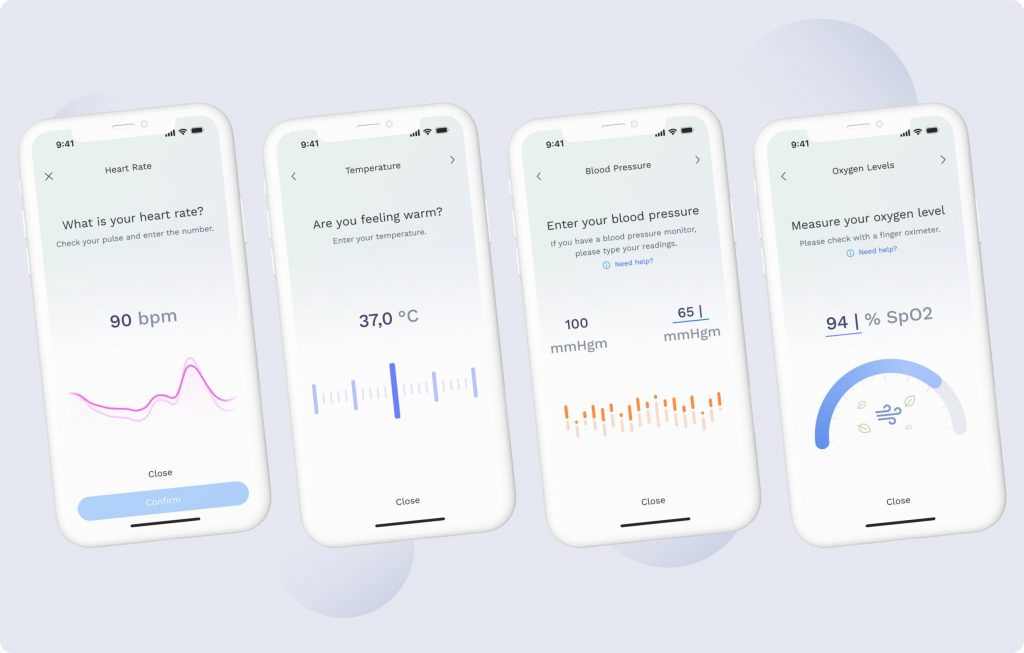
يُعد برنامج INFANT خطوة مهمة في مجال طب الأورام لدى الأطفال, ، وهي منصة تعتمد على الذكاء الاصطناعي ومصممة لتوفير الوضوح والدعم في اتخاذ بعض أصعب القرارات في مجال الرعاية الصحية للأطفال. ورغم التكنولوجيا المتطورة التي تعتمد عليها، فإن هدفها يظل متواضعًا، حيث تساعد الأطباء على التصرف بثقة وتمنح المرضى الصغار تجربة تشخيصية أفضل وأكثر إنسانية.
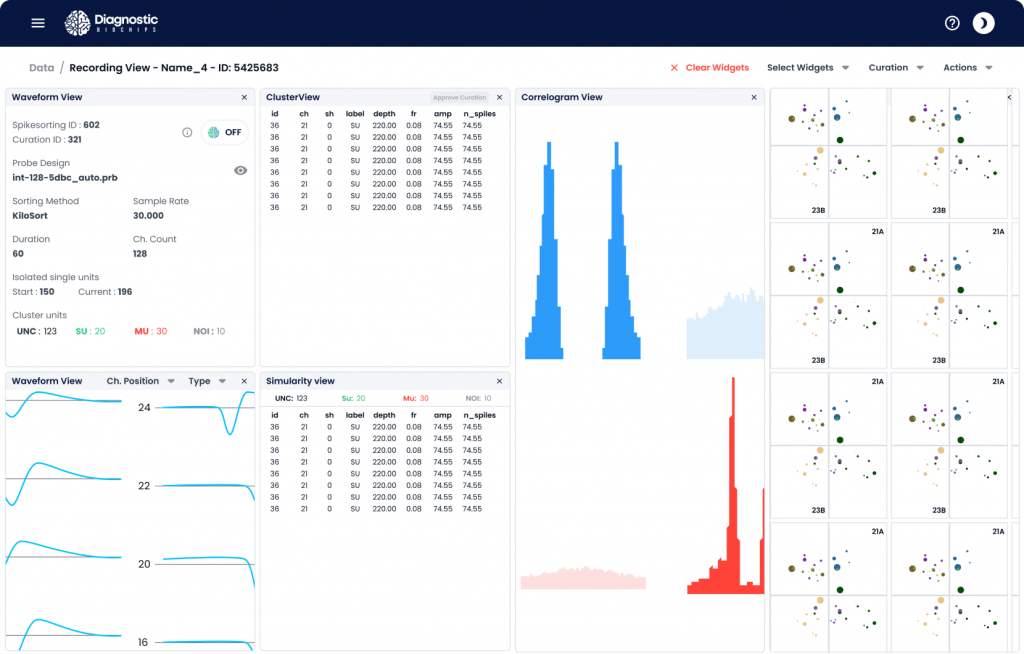
تتبع «الرقائق الحيوية التشخيصية» نفس الروح، ولكن في مجال علم الأعصاب. من خلال DBC Cloud، يحصل الباحثون على أدوات تُبسط سير العمل المعقد وتتيح لهم فهم مجموعات البيانات العصبية الضخمة. وبدلاً من الصراع مع القيود التقنية، يمكنهم التركيز على ما يهم حقًّا، ألا وهو فهم الدماغ والمضي قدمًا في أعمالهم.
مشاريع كهذه هي السبب في أننا ما زلنا ملتزمين التزامًا راسخًا بقطاع الرعاية الصحية. نحن نؤمن بأن كل شخص يستحق معاملة تتسم بالشخصية والكرامة والاهتمام. وكل حل مخصص نقوم بتطويره يمثل مساهمة صغيرة في تحقيق هذه الرؤية، وطريقة لتخفيف العبء عن كاهل شخص ما، ودعم تقديم رعاية أفضل، والمساعدة في بناء مستقبل تكون فيه التكنولوجيا الصحية في خدمة حقيقية للأشخاص الذين يعتمدون عليها.
يُعد تطوير البرمجيات المخصصة جزءًا من تحول أوسع نطاقًا يعمل على إعادة تشكيل قطاع الرعاية الصحية ككل. التقدم المحرز في مجال الذكاء الاصطناعي،, المنصات السحابية، والأجهزة المتصلة تُحدث تغييرًا في طريقة تبادل المعلومات وتقديم الرعاية. تتيح هذه التقنيات مزيدًا من التنسيق، ووصولاً أسرع إلى البيانات، وتجارب أكثر تخصيصًا للمرضى.
غالبًا ما تشهد المؤسسات التي تتعامل مع التحول الرقمي باستراتيجية شاملة تحسينات في مجالات متعددة، بدلاً من تحقيق إنجازات منفصلة. فالأدوات الأفضل تقلل من الأخطاء، وتدعم العمل الجماعي، وتساعد مقدمي الرعاية الصحية على تخصيص مزيد من الوقت للرعاية المباشرة. ومع مرور الوقت، يمكن أن تؤثر هذه التغييرات ليس فقط على النتائج السريرية، بل أيضًا على تجربة المريض بشكل عام.
التفكير على المدى الطويل أمر ضروري. فوجود أساس رقمي شامل يمنح مقدمي الرعاية الصحية المرونة اللازمة للتكيف مع اللوائح الجديدة والتقنيات الناشئة وتوقعات المرضى المتغيرة. وهذا التطور المستمر يضع المؤسسات في وضع يتيح لها الازدهار في بيئة ستستمر في التغير.
قد يبدو البدء في مشروع برمجيات مخصص أمرًا معقدًا، لكن تقسيمه إلى مراحل يساعد على توضيح الأمور. تتمثل الخطوة الأولى في فهم ما لا يعمل بشكل جيد في الوقت الحالي، وأين تحدث التأخيرات، وما هي المهام المتكررة، وما هي الإجراءات التي تسبب الارتباك. وتوفر آراء الأطباء والموظفين الإداريين والمرضى صورة أوفى عن الأولويات الحقيقية.
بمجرد تحديد الاحتياجات، يمكن للفرق تحديد الميزات الأساسية للإصدار الأول. وينبغي أن تكون هذه القائمة واقعية ولكن مرنة، بحيث تتيح مجالًا للتغييرات التي قد تظهر خلال مرحلة الاختبار المبكرة. ويضمن العمل بنظام التكرارات استمرار تقدم المشروع، مع إتاحة الفرصة لإجراء تعديلات بناءً على التعليقات الفعلية.
كما يُعد التدريب والدعم المستمر جزءين أساسيين من عملية التنفيذ. فعندما يشعر المستخدمون بالاستعداد ويعرفون أين يطلبون المساعدة، يصبح الانتقال أكثر سلاسة. إن النظر إلى المشروع باعتباره عملية تعلم مستمرة بدلاً من عملية إطلاق تُجرى مرة واحدة يساعد المؤسسات على تحقيق أقصى استفادة من النظام الجديد.
يعتمد مستقبل الرعاية الصحية على التكنولوجيا القادرة على التكيف مع واقع الرعاية الصحية الحديثة. ويجب أن تدعم الأنظمة المرضى ذوي الاحتياجات المتنوعة، وتساعد مقدمي الخدمات على العمل بكفاءة أكبر، وتواكب اللوائح التنظيمية المتغيرة. وتوفر البرامج المخصصة وسيلة عملية لتلبية هذه المتطلبات من خلال استبدال الأدوات القديمة بحلول تعكس سير العمل الفعلي وتقلل من العقبات غير الضرورية.
مع تحول المؤسسات نحو نماذج رعاية أكثر ترابطًا وقائمة على البيانات، تزداد أهمية القدرة على تكييف التكنولوجيا مع بيئتها. يمكن للمنصات المخصصة أن تتكامل مع الأنظمة الحالية، وتبسط العمليات المعقدة، وتوفر رؤية أوضح للعمليات اليومية. تمنح هذه القدرة على التكيف فرق الرعاية الصحية الثقة اللازمة لمواجهة التحديات الجديدة دون أن تفقد زخمها.
في Lasting Dynamics، نتعامل مع هذا العمل من خلال التعاون والتوجيه المستمر. ومن خلال الاستماع عن كثب إلى المستخدمين وفهم الضغوط التي يواجهونها، نساعد في تطوير برامج تمنحهم الشعور بالدعم بدلاً من أن تشكل عبئاً عليهم. والهدف بسيط، وهو بناء أدوات تخدم الناس بشكل جيد وتساهم في تحقيق تحسينات ملموسة ودائمة في تجربة الرعاية الصحية.
هل أنت مستعد لتحويل مؤسستك في مجال الرعاية الصحية باستخدام برامج مخصصة مصممة خصيصًا لتلبية احتياجاتك؟ 👉 للتواصل مع Lasting Dynamics انضم إلينا اليوم ولنبني مستقبل الرعاية الصحية معًا!
يشير تطوير البرمجيات المخصصة لقطاع الرعاية الصحية إلى تصميم وإنشاء حلول رقمية مصممة خصيصًا لتتناسب مع سير العمل الطبي واحتياجات رعاية المرضى والمتطلبات التنظيمية. وتتنوع هذه الأنظمة بين بوابات المرضى والمنصات السريرية المعقدة التي تم إنشاؤها لدعم الدقة والأمان والتنسيق السلس داخل بيئات الرعاية الصحية.
غالبًا ما تفتقر الأدوات الجاهزة للاستخدام إلى المرونة وقابلية التشغيل البيني ودعم الامتثال المطلوب في بيئات الرعاية الصحية. وقد تتسبب في ظهور ثغرات في سير العمل، أو قيود على البيانات، أو تحديات في التكامل، مما يعيق الكفاءة ويزيد من مخاطر حدوث مشكلات تنظيمية بمرور الوقت.
تعمل الحلول المخصصة على تحسين سير العمل السريري والإداري، وتعزيز حماية البيانات، وتبسيط إدارة الامتثال، وتوفير تجارب أكثر سهولة للمرضى والموظفين. وهي تتكيف مع احتياجات المؤسسة وتتطور مع تغير العمليات أو اللوائح أو توقعات المرضى.
اختر شريكًا يتمتع بخبرة مثبتة في مجال الرعاية الصحية، ومعايير أمنية قوية، ومنهجية شفافة وتعاونية. تجمع شركات مثل Lasting Dynamics بين العمق التقني والنهج الذي يركز على الإنسان، مما يضمن توفير حلول تتوافق مع الواقع السريري والأهداف الاستراتيجية طويلة الأجل.
ومن بين الاتجاهات البارزة في هذا المجال: التشخيص والتحليلات المدعومة بالذكاء الاصطناعي، وتوسع منظومات الطب عن بُعد، ودمج الأجهزة الطبية المتصلة بإنترنت الأشياء، والإشراف الآلي على الامتثال، وتجارب الرعاية الرقمية الأكثر تخصيصًا، حيث يساهم كل منها في تشكيل الطريقة التي تقدم بها المؤسسات رعاية صحية أكثر أمانًا وسرعة وترابطًا.
حوّل الأفكار الجريئة إلى تطبيقات قوية.
لنصنع معاً برمجيات تُحدث تأثيراً.

ميشيل سيمينو
أؤمن بالعمل الجاد والالتزام اليومي كوسيلة وحيدة للحصول على النتائج. أشعر بجاذبية لا يمكن تفسيرها للجودة وعندما يتعلق الأمر بالبرمجيات فهذا هو الدافع الذي يجعلني وفريقي نتمسك بشدة بممارسات أجايل والتقييمات المستمرة للعمليات. لديّ موقف تنافسي قوي تجاه كل ما أتناوله - بطريقة لا أتوقف فيها عن العمل، حتى أصل إلى القمة، وبمجرد أن أصل إلى القمة، أبدأ العمل للحفاظ على مكانتي.
