

صياغة التميز في البرمجيات
دعنا نبني شيئاً استثنائياً معاً.
اعتمد على شركة Lasting Dynamics للحصول على جودة برمجيات لا مثيل لها.
ميشيل سيمينو
16 فبراير 2026 • 9 دقائق للقراءة

يقف ابتكار المنتجات عند مفترق طرق في عام 2026. فقد أدت ضغوط التحول الرقمي والتطور السريع للأسواق وتوقعات العملاء إلى إعادة تشكيل الطريقة التي تدير بها الشركات منتجاتها بدءًا من مرحلة الفكرة وحتى سحبها من السوق.
إن نظام إدارة دورة حياة المنتج (PLM) المرن يكتسب قيمة أكبر يومًا بعد يوم، وتزداد أهميته. فقد أصبحت البرمجيات جزءًا لا يتجزأ من حياتنا، مما يجعل الاستثمار فيها أمرًا ضروريًا للمؤسسات. والآن، بالنسبة لشركات مثل Lasting Dynamics، يمكن أن يؤدي تبني ممارسات إدارة دورة حياة المنتج (PLM) المرنة إلى تعزيز السرعة والقدرة على التكيف والاستدامة على المدى الطويل في عالم رقمي.

الإدارة الجيدة وتحسين دورة حياة المنتج. الصورة لفيتالي غارييف على موقع Unsplash: https://unsplash.com/photos/woman-writing-on-colorful-sticky-notes-on-wall-PAYitTwkMwQ
تمثل إدارة دورة حياة المنتج (PLM) الرشيقة تطوراً لإدارة دورة حياة المنتج التقليدية من خلال دمج مبادئ المرونة في طريقة تصميم المنتجات وتطويرها وصيانتها. وبدلاً من الاعتماد على نماذج "المرحلة والبوابة" الخطية الصارمة، يركز هذا النهج على المرونة والتكرار والقدرة على التكيف مع التغييرات. وهو يتيح للفرق تعديل مسارها بناءً على الرؤى المستمدة في الوقت الفعلي، وملاحظات العملاء، وظروف السوق المتغيرة، دون الإخلال باستراتيجية المنتج ككل.
إن نهج إدارة دورة حياة المنتج (PLM) المرن لا يقتصر على كونه منهجية فحسب، بل يشجع على إزالة الحواجز التنظيمية بين الأقسام التشغيلية ويعزز التعاون بين أقسام الهندسة والتصميم والتسويق وسلسلة التوريد. ومن خلال توفير وصول مشترك إلى بيانات المنتج وتمكين التواصل المستمر، يمكن للمؤسسات الاستجابة بفعالية أكبر للتحديات والفرص على مدار دورة حياة المنتج.
هناك اعتقاد خاطئ شائع مفاده أن نظام إدارة دورة حياة المنتج (PLM) المرن يقتصر على تطوير البرمجيات أو أتمتة سير العمل البسيطة. وفي الواقع، ينطبق هذا على المنتجات المادية والخدمات والصناعات المختلطة على حد سواء. وتكمن قيمته الحقيقية في دمج القدرة على التكيف في كل مرحلة من مراحل دورة حياة المنتج، بدءًا من مرحلة تكوين الفكرة الأولية وحتى سحب المنتج من السوق، مما يضمن بقاء الشركة قادرة على الاستجابة ومرنة.
على الرغم من مزاياها، غالبًا ما ينطوي تطبيق نظام إدارة دورة حياة المنتج (PLM) المرن على تحديات عملية وتنظيمية. لا تزال الأنظمة المجزأة والفرق غير المترابطة من أبرز العوائق، حيث إنها تؤدي إلى ظهور جيوب بيانات منعزلة تحول دون الحصول على رؤية موحدة لدورة حياة المنتج. ويؤدي هذا التجزؤ إلى سوء التواصل وتكرار الجهود وتأخر اتخاذ القرارات.
وتزيد البنية التحتية القديمة من تعقيد عملية الانتقال. فغالبًا ما تكون الأدوات والعمليات القديمة غير متوافقة مع منصات إدارة دورة حياة المنتج (PLM) الحديثة، مما يجعل عملية التكامل تستغرق وقتًا طويلاً وتكون معقدة. ويمكن أن تؤدي هذه القيود التقنية إلى زيادة مقاومة التغيير وجعل عملية التحول تبدو مهمة شاقة، لا سيما بالنسبة للشركات الكبيرة أو الراسخة.
ولا يقل عن ذلك أهميةً التحول الثقافي المطلوب لدعم الممارسات الرشيقة. تركز العديد من المؤسسات بشكل كبير على اقتناء أدوات جديدة، بينما تقلل من شأن التغيير في العقلية المطلوب بين الفرق والقيادة. فبدون فهم مشترك لمفهومي الرشاقة والتعاون، قد تفشل حتى أكثر الأنظمة تطوراً في تحقيق نتائج ملموسة.
تستند منهجية إدارة دورة حياة المنتج (PLM) المرنة بطبيعتها إلى مبدأ التحسين المستمر بدلاً من النتائج الثابتة. من خلال دورات متكررة، يمكن للفرق اختبار الأفكار الجديدة، وجمع التعليقات، وتطبيق تحسينات تدريجية تعمل على صقل أداء المنتج وتجربة المستخدم بشكل مطرد. تُعطي هذه العملية المستمرة الأولوية للتعلم والتكيف على حساب خطط التنفيذ الجامدة.
من خلال تشجيع التقييم المتكرر للتقدم المحرز، تساعد إدارة دورة حياة المنتج (PLM) المرنة المؤسسات على تحديد أوجه القصور في وقت مبكر وتصحيحها قبل أن تتفاقم. وهذا يقلل من احتمالية اللجوء إلى عمليات إعادة تصميم مكلفة، ويدعم إيقاعًا أكثر استدامة في عملية التطوير يوازن بين السرعة والجودة.
دعنا نبني شيئاً استثنائياً معاً.
اعتمد على شركة Lasting Dynamics للحصول على جودة برمجيات لا مثيل لها.
مع تطور التقنيات وتوقعات السوق, ، يضمن نظام إدارة دورة حياة المنتج (PLM) المرن أن تظل المتطلبات ديناميكية وذات صلة. فبدلاً من التعامل مع الخطط على أنها التزامات ثابتة، يمكن للمؤسسات إعادة النظر فيها وصقلها باستمرار، مما يحافظ على قدرتها التنافسية ويجنبها الركود في القطاعات التي تشهد تغيرات سريعة.
عصري تتجاوز منصات إدارة دورة حياة المنتج (PLM) المرنة بكثير مجرد حفظ السجلات أو تخزين المستندات. فهي تعمل على تجميع بيانات المنتجات وتوحيد إجراءات العمل، وتوفر رؤية فورية لكل مرحلة من مراحل دورة حياة المنتج. ويتيح هذا الهيكل الموحد للفرق الوصول إلى المعلومات الدقيقة بسرعة، مما يقلل من الارتباك ويحسن التنسيق.
يُعد التكامل إحدى القدرات المميزة الأخرى. تتكامل هذه المنصات بسلاسة مع أنظمة المؤسسات الأخرى، مثل أنظمة تخطيط موارد المؤسسات (ERP) وإدارة علاقات العملاء (CRM) وأدوات سلسلة التوريد، مما يخلق نظامًا بيئيًا متزامنًا تتدفق فيه البيانات بشكل طبيعي عبر الأقسام المختلفة. وتدعم هذه القابلية للتشغيل البيني اتخاذ قرارات أكثر استنارة وزيادة الاتساق في العمليات.
بالإضافة إلى ذلك، تدعم حلول إدارة دورة حياة المنتج (PLM) المرنة والمتطورة التحكم في الإصدارات وإدارة التغييرات وتتبع الامتثال، مما يضمن أن تكون تحديثات المنتجات خاضعة للرقابة وشفافة في آن واحد. ومن خلال الجمع بين المرونة والحوكمة، تُمكّن هذه الحلول المؤسسات من الابتكار مع الحفاظ على الهيكل التنظيمي والمساءلة. ومن بينها ما يلي:
تتجلى القيمة الحقيقية لنظام إدارة دورة حياة المنتج (PLM) المرن عندما يتم دمجه بشكل كامل في النظام البيئي الأوسع لتكنولوجيا المعلومات. يؤدي التكامل الفعال إلى الحد من ازدواجية الجهود، وتحسين اتساق البيانات، وضمان اتخاذ الفرق لقراراتها استنادًا إلى معلومات دقيقة وحديثة على مستوى المؤسسة بأكملها. وتدعم هذه البيئة المترابطة سير العمل بشكل أكثر سلاسة والتخطيط المستنير.
من خلال ربط نظام إدارة دورة حياة المنتج (PLM) المرن بأنظمة مثل تخطيط موارد المؤسسات (ERP) وإدارة علاقات العملاء (CRM) وأدوات إدارة سلسلة التوريد، تنشئ المؤسسات تدفقًا موحدًا للمعلومات يعزز التعاون والوضوح التشغيلي. ولم تعد الفرق تعمل في عزلة، وأصبحت الرؤى المتعلقة بالمنتجات متاحة حيثما تكون هناك حاجة ماسة إليها.
كما أن هذا المستوى من التكامل يعزز إمكانية التتبع والمساءلة. فعندما تتنقل البيانات بسلاسة بين الأنظمة، تتمتع المؤسسات بسيطرة أفضل على التغييرات التي تطرأ على المنتجات والمتطلبات التنظيمية والرؤية الشاملة لدورة حياة المنتج، مما يعزز كلاً من الكفاءة والحوكمة.
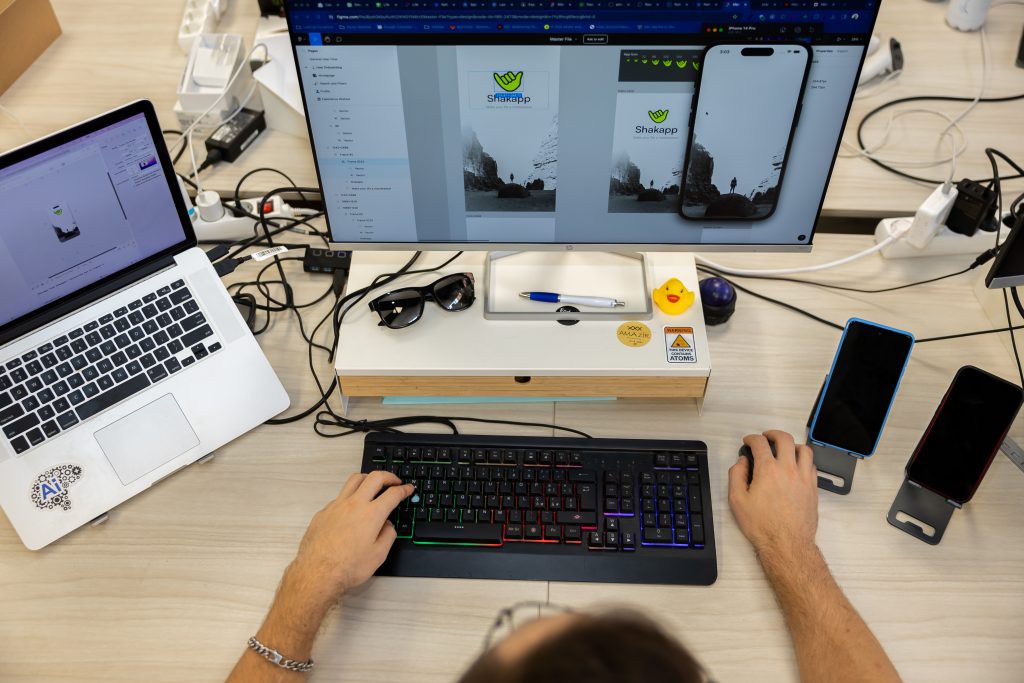
يعمل نظام إدارة دورة حياة المنتج (PLM) المرن كمحرك استراتيجي وليس مجرد تحديث تقني بسيط. وغالبًا ما تحقق المؤسسات التي تطبق هذه الاستراتيجية بفعالية تقليصًا في مدة طرح المنتجات في السوق، وارتفاعًا في جودة المنتجات، وتحسينًا في الامتثال للمعايير، لا سيما في القطاعات الخاضعة لرقابة صارمة. وتساهم هذه النتائج في توفير تجارب عملاء أكثر اتساقًا وموثوقية تشغيلية أقوى.
ولا يقتصر الأمر على تحسين الكفاءة فحسب، بل إن نظام إدارة دورة حياة المنتج (PLM) المرن يمكّن المؤسسات من الاستجابة بسرعة أكبر للمخاطر والفرص الناشئة. وتدعم هذه القدرة على الاستجابة عملية اتخاذ القرارات الاستباقية وتقلل من التعرض للتغيرات غير المتوقعة في السوق، مما يتيح للشركات الحفاظ على استقرارها خلال فترات عدم اليقين.
بدءاً من الفكرة إلى الإطلاق، نقوم بتصميم برامج قابلة للتطوير مصممة خصيصاً لتلبية احتياجات عملك.
شارك معنا لتسريع نموك.
مع استمرار تقصير دورات حياة المنتجات وتزايد الضغوط التنافسية، أصبحت القدرة على التكيف ميزة حاسمة. ويدعم نظام إدارة دورة حياة المنتج المرن (Agile PLM) ذلك من خلال تمكين المؤسسات من تطوير منتجاتها وعملياتها دون المساس بالهيكل التنظيمي أو الرقابة.
على الرغم من تزايد استخدامها، لا تزال إدارة دورة حياة المنتج (PLM) الرشيقة تُفهم في كثير من الأحيان بشكل خاطئ. ومن المعتقدات الشائعة أنها لا تنطبق إلا على شركات البرمجيات أو التكنولوجيا، في حين أنها في الواقع توفر قيمة في قطاعات عديدة مثل التصنيع،, الرعاية الصحية, ، والسلع الاستهلاكية، حيث تُعد المرونة والسرعة عاملين حاسمين بنفس القدر.
هناك اعتقاد خاطئ آخر مفاده أن نهج PLM الرشيق يلغي الهيكل التنظيمي ويشجع على الفوضى. لكن في الواقع، فإنه يوفر مرونة منظمة، حيث يجمع بين الحوكمة الواضحة والقدرة على التكيف السريع مع التغييرات. ويساعد هذا التوازن المؤسسات على الحفاظ على السيطرة على عملياتها مع الحفاظ في الوقت نفسه على قدرتها على الاستجابة السريعة.
إن أكثر عمليات التنفيذ نجاحًا لا تعتبر إدارة دورة حياة المنتج (PLM) الرشيقة مجرد عملية نشر برمجيات قائمة بذاتها، بل تعتبرها تحولًا في طريقة التفكير والنهج التشغيلي. وتميل المؤسسات التي تدرك هذا الفرق إلى تحقيق نتائج أكثر استدامة وقيمة.
قبل الشروع في عملية تحويل نظام إدارة دورة حياة المنتج (PLM) إلى نهج رشيق، ينبغي على المؤسسات إجراء دراسة متعمقة لعملياتها الحالية، ومجموعة التقنيات التي تستخدمها، وثقافتها الداخلية. ويساعد تحديد أهداف واضحة ومؤشرات نجاح قابلة للقياس على ضمان التوافق بين القيادة والفرق الفنية والموظفين التشغيليين.
ينبغي أن يشمل تقييم الجاهزية جودة البيانات، وقابلية التشغيل البيني للنظم، وقدرة المؤسسة على التكيف مع التغيير. ويتيح تحديد الثغرات في مرحلة مبكرة التخطيط الواقعي، ويحدد التوقعات فيما يتعلق بالجداول الزمنية والموارد والاضطرابات المحتملة.
يلعب التدريب الشامل وإدارة التغيير المنظمة دورًا حاسمًا في الحد من المقاومة. فعندما يدرك الموظفون الغرض من نظام إدارة دورة حياة المنتج (PLM) المرن وفوائده العملية، يصبح تبنيه أكثر طبيعية واستدامة.
إن تحقيق نتائج ملموسة باستخدام نظام إدارة دورة حياة المنتج (PLM) المرن يتطلب أكثر من مجرد اختيار المنصة المناسبة. إن الدعم القوي من القيادة، والتواصل الشفاف، والتعاون بين الإدارات أمور أساسية لخلق زخم وتعزيز التبني على المدى الطويل.
غالبًا ما يكون التنفيذ التدريجي أكثر فعالية من عمليات النشر على نطاق واسع. فالبدء بمبادرات تجريبية يتيح للمؤسسات اختبار العمليات وصقل سير العمل وبناء الثقة الداخلية قبل توسيع نطاق التطبيق ليشمل المؤسسة بأكملها.
نحن نصمم ونبني منتجات رقمية عالية الجودة ومميزة.
الموثوقية والأداء والابتكار في كل خطوة.
تساعد آليات التغذية الراجعة المستمرة وتقييمات الأداء الفرق على تحديد المجالات التي تحتاج إلى تحسين. إن الثقافة التي تشجع على التعلم والمرونة والتحسين المستمر هي التي تحدد في نهاية المطاف نجاح مبادرات إدارة دورة حياة المنتج (PLM) القائمة على منهجية "أجايل" على المدى الطويل.

أصبح نظام إدارة دورة حياة المنتج (PLM) المرن الآن محورًا لعدد من التحولات التي تعيد تعريف كيفية تصميم المنتجات وإدارتها وتطويرها. تقدم الصناعة 4.0 بيئات تصنيع أكثر ذكاءً حيث تولد الآلات المتصلة ببعضها البعض وأجهزة استشعار إنترنت الأشياء (IoT) بيانات تشغيلية قيّمة بشكل مستمر. تتدفق هذه المعلومات في الوقت الفعلي إلى أنظمة PLM، مما يساعد الفرق على مراقبة الأداء، واكتشاف أوجه القصور، والاستجابة بسرعة أكبر للمشكلات الناشئة عبر دورة حياة المنتج.
يعزز الذكاء الاصطناعي هذا النظام البيئي من خلال أتمتة المهام المتكررة وتقديم رؤى تنبؤية تدعم اتخاذ قرارات استراتيجية أفضل. وبدلاً من الاعتماد حصريًّا على البيانات التاريخية، يمكن للمؤسسات توقع الأعطال المحتملة، وتحسين خيارات التصميم، وضبط عمليات الإنتاج قبل تفاقم المشكلات. ويؤدي هذا النهج الاستباقي إلى تقليل المخاطر مع تحسين جودة المنتج وموثوقيته بشكل عام.
كما أصبحت الاستدامة بعدًا أساسيًا في إدارة المنتجات الحديثة. ويدعم نظام إدارة دورة حياة المنتج (PLM) المرن الممارسات الصديقة للبيئة من خلال تمكين تحليل دورة الحياة، وتتبع استخدام المواد، وتعزيز استراتيجيات التوريد المسؤولة. ومع تشديد اللوائح التنظيمية وزيادة وعي المستهلكين، تعتمد الشركات بشكل متزايد على أنظمة PLM لتحقيق التوازن بين الابتكار والمساءلة البيئية والمسؤولية على المدى الطويل.
يصف قادة القطاع باستمرار نظام إدارة دورة حياة المنتج (PLM) المرن بأنه عنصر أساسي في الحفاظ على أهميتها في الأسواق سريعة التغير وشديدة التنافسية. ويؤكدون أن نجاحها لا يكمن في التكنولوجيا بحد ذاتها فحسب، بل في مدى توافقها مع الاستراتيجيات الرقمية الأوسع نطاقاً والأهداف التنظيمية. وعندما تتكامل مبادرات إدارة دورة حياة المنتج (PLM) مع الرؤية العامة للأعمال، فإنها تخلق إطاراً تشغيلياً أكثر تماسكاً ومرونة.
وهناك فكرة أخرى متكررة تتعلق بأهمية التحول الثقافي. ويشير الخبراء إلى أن تبني نهج "إدارة دورة حياة المنتج" (PLM) المرن يتطلب تغييرًا في طريقة التفكير، بحيث يصبح التعاون والشفافية والقدرة على التكيف جزءًا لا يتجزأ من سير العمل اليومي. ويجب أن تشعر الفرق بالقدرة على التجريب والتجديد والاستجابة للتعليقات حتى يتمكن النظام من تحقيق كامل إمكاناته.
كما يُشار إلى التكامل في كثير من الأحيان باعتباره عاملاً حاسماً. يؤدي ربط نظام إدارة دورة حياة المنتج (PLM) المرن بأنظمة تخطيط موارد المؤسسات (ERP) والتصميم بمساعدة الحاسوب (CAD) والمنصات السحابية وأنظمة التحليلات إلى توفير بيئة موحدة تتدفق فيها المعلومات بسلاسة. يعمل هذا الهيكل المترابط على تحسين دقة عملية اتخاذ القرار ويضمن أن تعمل كل إدارة باستخدام بيانات منتجات متسقة ومحدثة.
في ظل الضغوط المتزايدة التي تواجهها المؤسسات للابتكار والتكيف بسرعة والحفاظ على قدرتها التنافسية، تبرز إدارة دورة حياة المنتج (PLM) المرنة كعامل رئيسي في تحقيق النجاح المستدام والطويل الأمد. من خلال تبني مبادئ المرونة، ودمج التقنيات المتقدمة، وتعزيز عقلية التحسين المستمر، يمكن للشركات الحصول على سيطرة كاملة على دورة حياة المنتج. يتيح هذا النهج لها الاستجابة بشكل أسرع لتغيرات السوق، والحد من أوجه القصور، واغتنام فرص جديدة. وبالنظر إلى عام 2026، لن يصبح نظام إدارة دورة حياة المنتج (PLM) المرن مجرد أداة، بل أساسًا استراتيجيًا للمرونة والنمو. ويمتد تأثيره ليشمل جميع الأقسام، حيث يعمل على التنسيق بين الموظفين والعمليات وأهداف الابتكار.
كما يدعم نظام إدارة دورة حياة المنتج (PLM) المرن عملية اتخاذ القرارات بشكل أكثر ذكاءً من خلال توفير رؤية في الوقت الفعلي وتعزيز التعاون بين الفرق. وتساعد هذه الشفافية المشتركة المؤسسات على تبسيط سير العمل، وتسريع عملية تطوير المنتجات، وتحسين معايير الجودة بشكل عام. وبفضل الرؤى المستندة إلى البيانات التي توجه كل مرحلة من مراحل دورة الحياة، يمكن للشركات توقع التحديات والتكيف معها بشكل استباقي. والنتيجة هي بيئة أكثر تنظيماً ومرونة في الوقت نفسه تشجع الإبداع دون التضحية بالسيطرة. وفي عصر التطور الرقمي السريع، يعد هذا التوازن ضرورياً لتحقيق أداء مستدام.
في Lasting Dynamics، نقدم العديد من الحلول الرقمية، مستفيدين من نهج التطوير المرن الذي نتبعه لتحسين إدارة دورة حياة المنتج (PLM) وغير ذلك. يجمع فريقنا بين الخبرة والابتكار والتوجيه الاستراتيجي لضمان مسيرة تحول سلسة وفعالة. بدءًا من التخطيط الأولي وحتى التنفيذ الكامل، ندعم كل خطوة برؤية واضحة للنجاح القابل للقياس. إذا كنت مستعدًا للتطور وتعزيز ميزتك التنافسية، فقد حان الوقت للتحرك.
هل أنت مستعد لاستغلال الإمكانات الكاملة لدورة حياة منتجك؟ 👉 للتواصل مع Lasting Dynamics اتصل بنا اليوم للحصول على تقييم مخصص لنظام إدارة دورة حياة المنتج (PLM) القائم على منهجية "أجايل"، واكتشف كيف يمكننا مساعدتك في احتلال الصدارة في قطاعك بحلول عام 2026 وما بعده لسنوات عديدة قادمة.
تطبق إدارة دورة حياة المنتج (PLM) الرشيقة مبادئ المرونة على إدارة دورة حياة المنتج التقليدية، مما يعزز التطوير التكراري والتغذية الراجعة المستمرة وسرعة الاستجابة. وعلى عكس نماذج PLM الصارمة والتسلسلية، تدعم إدارة دورة حياة المنتج (PLM) الرشيقة سير العمل القابل للتكيف الذي يساعد المؤسسات على الاستجابة بسرعة لمتطلبات السوق وتوقعات العملاء المتغيرة.
نعم. يُعد نظام إدارة دورة حياة المنتج (Agile PLM) ذو قيمة كبيرة في قطاعات التصنيع والرعاية الصحية والسلع الاستهلاكية وغيرها من القطاعات. ويساعد تركيزه على التعاون والشفافية والبيانات في الوقت الفعلي الفرق على تبسيط العمليات وتقصير مدة التنفيذ وتقديم منتجات أكثر توافقًا وتركيزًا على العملاء.
وتشمل عمليات التكامل الأساسية أنظمة تخطيط موارد المؤسسات (ERP) لتحقيق التوافق التشغيلي، وأدوات التصميم بمساعدة الحاسوب (CAD) لسير العمل الهندسي، والمنصات السحابية لتوفير قابلية التوسع، وأنظمة الامتثال للرقابة التنظيمية، وقنوات تلقي ملاحظات العملاء. وتشكل هذه المكونات مجتمعةً نظامًا بيئيًا موحدًا يدعم اتخاذ قرارات أسرع تستند إلى البيانات.
يبدأ التنفيذ بتقييم العمليات الحالية وتحديد الثغرات. وينبغي على المؤسسات تحديد أهداف واضحة، واعتماد ممارسات "أجايل" في مجال تجريبي، وتحسين سير العمل قبل التوسع. ويقلل هذا النهج التدريجي من المخاطر ويضمن تبنيًا أكثر سلاسة عبر الفرق.
تدعم شركة Lasting Dynamics مبادرات إدارة دورة حياة المنتج (PLM) المرنة من خلال حلول مصممة خصيصًا تجمع بين الخبرة الفنية وتحسين العمليات. وتقوم الشركة بتوجيه المؤسسات خلال عملية التحديث، مما يتيح تحقيق دورات حياة منتجات أكثر كفاءة، وتعاونًا أقوى بين الأقسام، وتحسينات قابلة للقياس على المدى الطويل.
حوّل الأفكار الجريئة إلى تطبيقات قوية.
لنصنع معاً برمجيات تُحدث تأثيراً.

ميشيل سيمينو
أؤمن بالعمل الجاد والالتزام اليومي كوسيلة وحيدة للحصول على النتائج. أشعر بجاذبية لا يمكن تفسيرها للجودة وعندما يتعلق الأمر بالبرمجيات فهذا هو الدافع الذي يجعلني وفريقي نتمسك بشدة بممارسات أجايل والتقييمات المستمرة للعمليات. لديّ موقف تنافسي قوي تجاه كل ما أتناوله - بطريقة لا أتوقف فيها عن العمل، حتى أصل إلى القمة، وبمجرد أن أصل إلى القمة، أبدأ العمل للحفاظ على مكانتي.
