

صياغة التميز في البرمجيات
دعنا نبني شيئاً استثنائياً معاً.
اعتمد على شركة Lasting Dynamics للحصول على جودة برمجيات لا مثيل لها.
ميشيل سيمينو
فبراير 27, 2026 • 7 min read
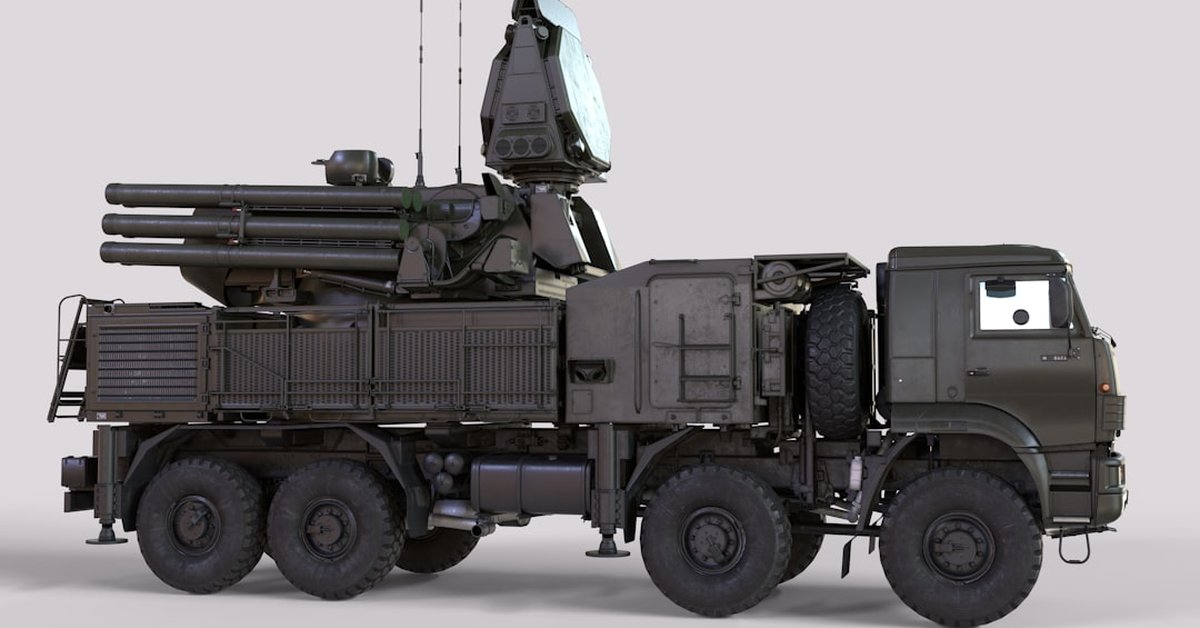
In January 2026, the US Army Software Engineering Center announced a major reorganization. The language used was revealing: the restructuring was for "agility and survival." Not modernization. Not improvement. Survival.
The Army is building a consolidated DevSecOps platform with the Army CIO and Army Cyber Command — an acknowledgment that the traditional approach to military software development is not just slow, but operationally dangerous. In a world where Ukrainian forces update their drone warfare software weekly to counter new jamming techniques, an 18-month development cycle is not a bureaucratic inconvenience. It is a threat to national security.
The Pentagon's broader trajectory in 2026 confirms the shift is systemic, not experimental. The SWFT (Software Fast Track) program is replacing checklist compliance with continuous authorization. Software factories — Kessel Run, Platform One, Black Pearl — are proving that agile development works in defense. And the DoD's own Software Modernization Implementation Plan FY25–26 mandates the adoption of commercial software practices.
The military has officially abandoned waterfall. What replaced it — and what organizations need to understand — is DevSecOps.
DevSecOps is not a buzzword. In defense context, it represents a specific set of practices that fundamentally change how software is built, secured, and deployed:
التطوير — agile methodology. Build in sprints. Deliver working software every 2–4 weeks. Get it in front of users early and iterate based on feedback. This is the antithesis of the traditional defense model, where requirements documents run to hundreds of pages and the first delivery comes years after contract award.
الأمن — embedded, not appended. Security testing, vulnerability scanning, and compliance checking happen automatically in every pipeline stage. A developer commits code; within minutes, it has been scanned for vulnerabilities, checked against compliance requirements, and validated against security policies. Security findings block the pipeline — they don't generate a report for later review.
Operations — continuous delivery. Software is deployed to production environments continuously, not in quarterly releases. Infrastructure is defined as code, reproducible, and auditable. Monitoring is real-time. Rollback is automated. The system is always in a known, validated state.
In practice, this means CI/CD pipelines operating in classified environments at IL4, IL5, or IL6, automating the entire build-test-scan-deploy cycle. Container orchestration through Kubernetes uses hardened base images from repositories like Platform One's Iron Bank. Automated security scanning — SAST, DAST, SCA, and container scanning — is integrated at every pipeline stage. Infrastructure as Code via Terraform, Ansible, or equivalent tools defines every infrastructure component in version-controlled, auditable configurations. Continuous monitoring provides real-time security telemetry, anomaly detection, and automated incident response. And SBOM (Software Bill of Materials) management ensures full transparency of every component, library, and dependency in the software supply chain.
The Department of Defense didn't just mandate DevSecOps — it built internal organizations to prove it works. These "software factories" are the most compelling evidence that agile development can succeed in defense.
دعنا نبني شيئاً استثنائياً معاً.
اعتمد على شركة Lasting Dynamics للحصول على جودة برمجيات لا مثيل لها.
Kessel Run is the Air Force's software factory, originally established to modernize air operations center software. In February 2026, the Air Force launched a new program through Kessel Run لـ Next-Generation Air Operations Center — a contract award targeted for June 2027.
What made Kessel Run significant was not just the software it produced, but the organizational model it validated: embedding developers directly with users, adopting commercial development practices within a military organization, and delivering working software in weeks rather than years.
As National Defense Magazine noted, Kessel Run's approach of bringing developers in-house, rather than contracting out, fundamentally changed the culture. The software factory model proved that military organizations could adopt commercial velocity without sacrificing security.
Platform One provides the enterprise DevSecOps platform that other defense organizations use to build and deploy software. Its most significant contribution is Iron Bank, a repository of hardened container images scanned and approved for defense use — deployed at IL2 through IL6, Iron Bank ensures that the base components of defense software meet security requirements before a single line of application code is written. Alongside Iron Bank, Platform One offers Big Bang, a DevSecOps platform deployment framework, and Party Bus, a continuous integration and continuous delivery pipeline.
Platform One's significance is infrastructure: it provides the plumbing that enables other organizations to do DevSecOps without building everything from scratch.
Black Pearl addresses a critical challenge: horizontal integration across software factories. The Navy's white paper on Black Pearl describes removing DevSecOps platform silos — connecting the stovepiped efforts of different service branches and commands into a coherent ecosystem.
This horizontal integration mirrors a pattern familiar in commercial software: platforms evolve from isolated tools to integrated ecosystems. The defense software landscape is following the same trajectory.
The Pentagon's Software Fast Track (SWFT) program represents the most significant change in defense software authorization since the ATO process was established.
Traditional defense software authorization works like this: first, develop the software. Then, document security controls — often hundreds of pages. Next, submit for assessment, which takes months of review. Eventually, receive an ATO — a point-in-time approval. And then repeat the entire process for every significant update.
بدءاً من الفكرة إلى الإطلاق، نقوم بتصميم برامج قابلة للتطوير مصممة خصيصاً لتلبية احتياجات عملك.
شارك معنا لتسريع نموك.
The SWFT approach inverts this model:
From periodic audits to continuous monitoring. Instead of proving security at a point in time, SWFT envisions continuous authorization — real-time evidence that software meets security requirements at every moment.
From checklist compliance to data-driven trust. Industry feedback to the SWFT program urges the Pentagon to replace checklist-based security assessments with automated, data-driven trust models. Security posture is measured by real-time data, not by document reviews.
From documentation to automation. Compliance artifacts — the evidence that software meets security requirements — are generated automatically by the CI/CD pipeline, not written manually by engineers. Every build, every test, every scan produces compliance evidence that can be audited in real time.
SBOM mandates. The SWFT program reinforces the mandate for Software Bill of Materials — every component, library, and dependency tracked and visible. In 2026, this is transitioning from aspiration to enforcement.
The implication for software companies is profound: organizations that build with automated compliance, continuous security monitoring, and SBOM generation from day one will have a structural advantage in defense procurement. Those that treat compliance as a Phase 4 activity will be left behind.
The US has Kessel Run. It has Platform One. It has Black Pearl. It has SWFT.
Europe has — what?
This is not a criticism. It is an observation about where the opportunity lies.
نحن نصمم ونبني منتجات رقمية عالية الجودة ومميزة.
الموثوقية والأداء والابتكار في كل خطوة.
European defense organizations face the same software modernization pressures as their US counterparts. NATO interoperability requirements mean they must achieve similar levels of software delivery velocity and security rigor. Ukrainian forces have demonstrated that software update speed can determine battlefield outcomes.
But European defense lacks the institutional DevSecOps infrastructure that the US has spent the last five years building. There is no European Kessel Run. No European Platform One. No European equivalent of the SWFT program.
This gap creates two categories of opportunity:
Building DevSecOps capability. European defense organizations need partners who can help them establish DevSecOps pipelines, software factory architectures, and continuous authorization processes. This is consulting and implementation work that requires deep expertise in both DevSecOps tooling and defense security requirements.
Being the external software factory. Not every defense organization can — or should — build an internal software factory. For many European militaries, the more practical model is partnering with external software development companies that already operate on DevSecOps principles. The partner brings the methodology, the tooling, and the culture; the defense organization brings the mission requirements and security context.
The DoD's own Software Modernization Implementation Plan makes the case directly — it calls for the adoption of commercial software practices. The Pentagon is literally publishing a playbook that says: we need companies that already do this. The same logic applies in Europe.
The irony of defense software development is that the practices the military now mandates — agile, DevSecOps, continuous delivery — are the standard operating procedures of competent commercial software companies. They have been for years.
The challenge is not invention. It is translation:
Sprint-based delivery. Commercial teams work in 2-week sprints, delivering working increments every cycle. Defense projects can use the same cadence, with additional security gates integrated into the sprint rhythm — not blocking it, but embedded within it.
Automated testing. Commercial teams run thousands of automated tests on every commit. Defense teams can do the same, with the addition of security-specific tests (vulnerability scanning, compliance checks, penetration testing) automated in the pipeline.
User involvement. Commercial teams put software in front of users early and iterate based on feedback. Defense teams can do the same — and in fact, both Kessel Run and the Army's drone school insist on exactly this approach. The Army's drone school leadership said it explicitly: "If whatever they're building isn't modular with other industry partners, it's going to fall off our programs of record."
Continuous deployment. Commercial teams deploy to production multiple times per day. Defense deployments are more constrained by classification and access controls, but the principle — small, frequent, automated deployments — remains valid and achievable.
Companies like Lasting Dynamics have built their entire operating model on these practices. Agile methodology, CI/CD pipelines, automated testing, security-integrated development — these are not features LD is adding to serve defense. They are how LD builds software for every client, in every domain. The additional requirements for defense — classification-level security, compliance frameworks, military-specific domain knowledge — layer on top of a foundation that is already battle-tested in commercial environments.
The gap between commercial software excellence and defense software requirements is narrower than most people assume. The organizations that will succeed in defense software development are those that start with commercial best practices and add defense-specific requirements, not those that start with defense bureaucracy and try to modernize it.
The Pentagon reorganized for "agility and survival." European defense should take note.
Lasting Dynamics is an agile-native software development company with DevSecOps practices embedded in every project. To discuss how our commercial software delivery capabilities can serve your defense requirements, اتصل بفريقنا.
الروابط الداخلية:
- تطوير البرمجيات لصناعة الدفاع: الدليل الشامل
- سباق السحابة العسكرية: كيف تعيد خدمات البرمجيات كخدمة (SaaS) تشكيل العمليات الدفاعية
- الأمن السيبراني الدفاعي في عام 2026: تهديدات الذكاء الاصطناعي، ومعيار CMMC 2.0، والسباق لتأمين الأنظمة العسكرية
- إعادة تسليح أوروبا بقيمة 800 مليار يورو: لماذا أصبحت البرمجيات ساحة المعركة الجديدة
حوّل الأفكار الجريئة إلى تطبيقات قوية.
Let’s create software that makes an impact together.

ميشيل سيمينو
أؤمن بالعمل الجاد والالتزام اليومي كوسيلة وحيدة للحصول على النتائج. أشعر بجاذبية لا يمكن تفسيرها للجودة وعندما يتعلق الأمر بالبرمجيات فهذا هو الدافع الذي يجعلني وفريقي نتمسك بشدة بممارسات أجايل والتقييمات المستمرة للعمليات. لديّ موقف تنافسي قوي تجاه كل ما أتناوله - بطريقة لا أتوقف فيها عن العمل، حتى أصل إلى القمة، وبمجرد أن أصل إلى القمة، أبدأ العمل للحفاظ على مكانتي.
