

صياغة التميز في البرمجيات
دعنا نبني شيئاً استثنائياً معاً.
اعتمد على شركة Lasting Dynamics للحصول على جودة برمجيات لا مثيل لها.
لويس لامبرت
فبراير 19, 2026 • 10 min read

We’re living in a world where information is everywhere, but true insight is scarce. For any business in 2026, the challenge isn’t finding data, it’s turning that data into clear, actionable outcomes. The companies that master data insights are making faster, smarter, and more resilient decisions.
From retail to technology insight, the ability to interpret and apply data is what determines if a business succeeds or not. And there is where Lasting Dynamics stands out, in terms of security and custom software to handle valuable data insights, they are among the best choices.
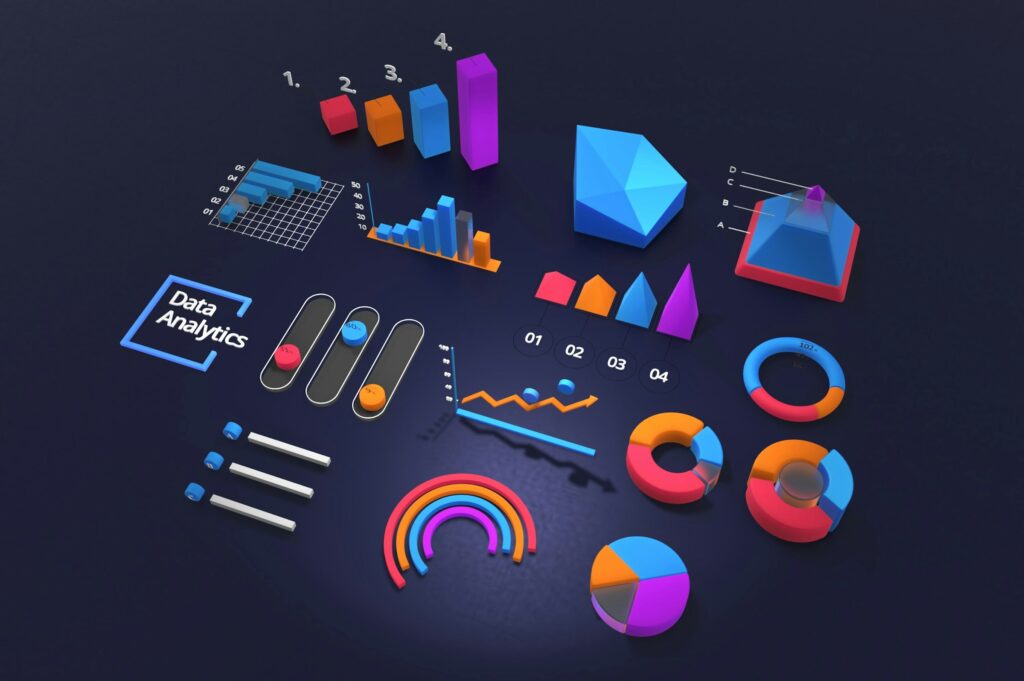
Good data insights can shape the future of any business. Photo by Deng Xiang on Unsplash: https://unsplash.com/photos/graphical-user-interface--WXQm_NTK0U
Data insights represent the bridge between raw numbers and meaningful understanding. They take information that might initially seem scattered or purely descriptive and reveal the underlying patterns, motivations, and implications. Having data is good, but understanding that data is what separates powerful insights with numerical values, underestimating this aspect can be a critical factor for a business to fail.
When data is transformed into a clear narrative, it becomes a tool that guides decisions rather than a collection of statistics waiting to be decoded. The value lies in asking better questions, identifying connections that aren’t immediately obvious, and highlighting what truly matters amidst endless metrics. In this sense, insights turn numbers into a storyline, one that teams can understand, act on, and use to stay aligned.
Today we have a ton of information in every website or app, only having data is no longer a competitive advantage. Once again, what sets successful organizations apart is their ability to uncover meaning and use it for strategies and new approaches. By learning to read the story that data tells, companies shift from reacting to trends to influencing them, gaining clarity in moments where others only see noise.
Modern organizations are confronted with more data than ever before, often far more than they know how to manage. Every touchpoint, sensor, and transaction produces streams of information that pile up faster than teams can interpret them. As dashboards multiply and KPIs become increasingly fragmented, even experienced professionals may find themselves unsure of which signals matter and which are simply adding to the confusion.
This overload can create a sense of paralysis, teams hesitate to act, worried that important details might be hidden in the noise. Decisions slow down, opportunities slip by, and internal alignment suffers as different departments rely on different versions of the truth. The problem isn’t a lack of data, it’s the overwhelming abundance of it, combined with the absence of a clear framework for making sense of it.
Recognizing this challenge is the first step toward clarity. When organizations shift from collecting everything to curating what matters, the landscape becomes far more manageable. Filtering, prioritizing, and synthesizing information allows decision-makers to see patterns that were previously obscured and to move with confidence instead of hesitation.
When raw data is elevated into actionable insight, it becomes one of the most powerful assets a business can leverage. Teams gain the ability to identify market shifts earlier, fine-tune operations with greater precision, and craft more meaningful customer experiences. This clarity enables leaders to make decisions rooted in evidence rather than intuition, reducing risk while uncovering opportunities that might otherwise remain hidden.
Some of the highest-impact use cases involve anticipating demand, personalizing engagement, and interpreting operational complexities that grow as businesses scale. By examining how small patterns accumulate into larger trends, organizations can adapt their strategies long before challenges become urgent. This proactive approach sets them apart in industries where timing and agility can make all the difference.
دعنا نبني شيئاً استثنائياً معاً.
اعتمد على شركة Lasting Dynamics للحصول على جودة برمجيات لا مثيل لها.
Ultimately, it’s not the size of a company’s data warehouse that determines success, it’s the quality of the insights extracted from it. Businesses that embed insight into their daily operations gain resilience and adaptability, creating a long-term advantage built on understanding rather than guesswork.
True insight doesn’t emerge solely from technology, it comes from people willing to explore, question, and push beyond the obvious. The companies that excel are those that encourage curiosity at every level, where team members feel comfortable challenging assumptions and experimenting with new approaches. This environment transforms data from something static into something actively explored.
Cultivating this mindset means valuing thoughtful questions just as much as correct answers. Over time, this cultural shift leads to more confident decision-making and greater innovation, as insights become shared building blocks rather than isolated discoveries.
As organizations embrace curiosity, they move toward becoming truly insight-driven. Silos shrink, collaboration increases, and teams start to see challenges not as obstacles but as opportunities to learn. This shift in thinking is often the difference between companies that adapt quickly and those that fall behind.
The ecosystem of data insight tools has evolved dramatically, giving organizations access to capabilities that were once reserved for highly specialized teams. Modern platforms offer intuitive dashboards, automated analytics, and increasingly powerful AI-assisted features that help users uncover patterns with minimal technical expertise. This democratization allows insights to flow more freely across departments, strengthening alignment.
Choosing the right tools, however, requires a practical balance. Businesses must consider not just the power of each platform, but also its scalability, usability, and ability to keep data secure. The best systems empower users at every level, analysts, managers, and leaders, to explore information without feeling overwhelmed or dependent on technical gatekeepers.
With the right technologies in place, organizations can accelerate the pace at which insights are discovered and applied. Teams gain the freedom to iterate quickly, test ideas, and validate decisions, turning data into a dynamic asset rather than a static repository. This technical foundation enables companies to move faster, stay informed, and remain competitive in a rapidly evolving landscape.
As data becomes central to every function, employees at all levels are expected to understand and use insights in their daily work. This shift means organizations must go beyond simply adopting new tools, they need to provide training and clear opportunities for people to grow their analytical confidence. Upskilling transforms analytics from a specialized discipline into a shared language across departments.
Retail has quietly become one of the most advanced arenas for data insight, using information from purchases, browsing patterns, and customer interactions to refine nearly every decision. What once relied on intuition or slow manual processes has been replaced by real-time analysis that helps retailers anticipate demand and refine their strategies with greater precision. Inventory planning, merchandising, and customer engagement all benefit from this constant flow of insight.
بدءاً من الفكرة إلى الإطلاق، نقوم بتصميم برامج قابلة للتطوير مصممة خصيصاً لتلبية احتياجات عملك.
شارك معنا لتسريع نموك.
The real power comes from understanding not just what people buy, but why they buy it. With that clarity, brands can create more personalized experiences, tailor promotions, and reduce waste across their operations. These insights allow retailers to adapt quickly to shifts in consumer behavior, whether driven by seasonality, cultural trends, or unexpected market changes.
Looking into 2026 so far, leaders in the sector are leaning heavily into predictive analytics and seamless omnichannel experiences. The message is straightforward, in markets that move fast, the advantage goes to retailers who can read patterns before they become obvious and adjust in real time.
While the promise of data insights is enormous, many companies find the path forward blocked by practical and cultural challenges. Outdated systems, fragmented databases, and inconsistent data quality often make it hard to build a reliable foundation. Even motivated teams can lose momentum when the tools they rely on don’t integrate well or fail to keep up with the scale of information flowing in.
We need to consider the human side, not only the technology. Some teams struggle to trust the numbers, especially when analytics outputs contradict long-standing habits or intuition. Change can feel uncomfortable, and organizations sometimes underestimate how much guidance and reassurance people need before embracing new ways of working.
Overcoming these barriers requires a mix of patience and planning. By addressing technical gaps and supporting teams through the transition, organizations can gradually replace uncertainty with confidence. When the foundations are strong, the entire analytics journey becomes much smoother and far more effective.
Across different sectors, certain patterns emerge when you look at companies that consistently excel with data insights. They begin by linking analytics directly to business priorities, treating data not as a parallel initiative but as something woven into core strategy. This clarity helps ensure that insights serve a purpose rather than becoming isolated reports that no one acts on.
These organizations also break down silos, bringing together diverse teams to interpret information collectively. When IT, marketing, finance, and operations share context, they arrive at richer insights and more unified decisions. Collaboration becomes a multiplier, turning isolated signals into comprehensive understanding.
Finally, the strongest performers invest in both people and technology. They recognize that even the smartest tools are limited without curious, skilled individuals behind them. This balance, tools that empower and teams that interpret ,creates the conditions for sustainable success.
The landscape of data insights is evolving quickly, and several trends are poised to shape the next few years. AI and machine learning will continue to automate more of the discovery process, surfacing patterns before analysts even think to look for them. This shift will reduce the time spent on manual exploration and free teams to focus on interpreting and acting on what the algorithms find.
نحن نصمم ونبني منتجات رقمية عالية الجودة ومميزة.
الموثوقية والأداء والابتكار في كل خطوة.
At the same time, self-service analytics will give non-technical users more control, allowing them to explore data without waiting for specialized teams. This accessibility can speed up decision-making and distribute insight more evenly across the organization, creating a more agile and informed environment.
With more power, however, comes greater responsibility. Ethical and transparent data practices will take center stage as both regulators and customers demand clarity about how information is collected and used. The future of insights isn’t just about sophistication, it’s also about trust.
Lasting Dynamics takes seriously using data in the best way possible. For us, it’s often the quiet layer that explains what’s really happening inside a system or a workflow, while others just focus on numbers, we focus on understand what those numbers really mean. When we work with clients, we try to understand not only how much data they generate but what parts of it actually help people make decisions, avoid mistakes, or see patterns they couldn’t see before. That perspective is very practical, and is usually what guides how to approach these projects.
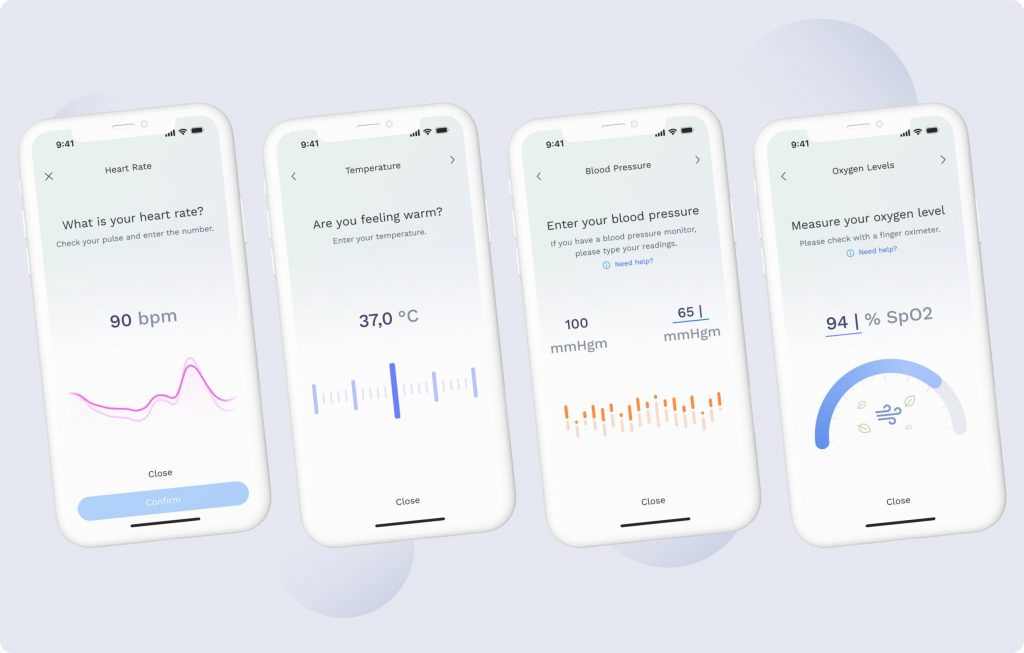
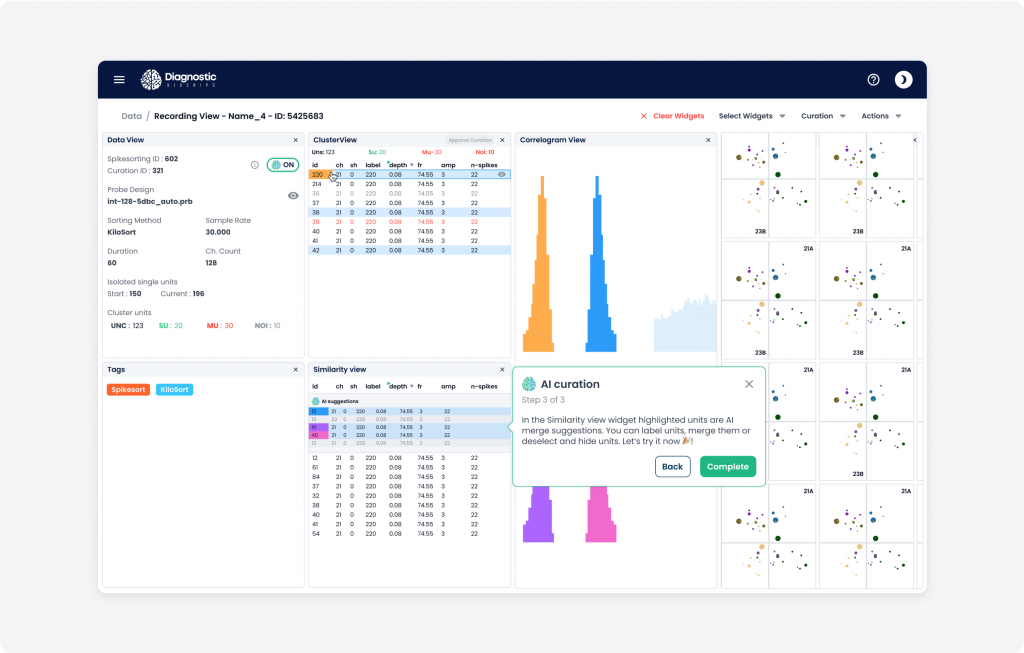
This became especially clear in projects like الرضيع و Diagnostic Biochips. In INFANT, the challenge was turning scattered notes, symptoms, and daily observations into something doctors and caregivers could actually use. With DBC, the problem was almost the opposite, they had too much data, coming from highly technical electrophysiology recordings. There, our role was to help clean, classify, and organize huge datasets so researchers could work faster and with fewer bottlenecks. In both cases the goal was similar, help people make sense of what they already had.
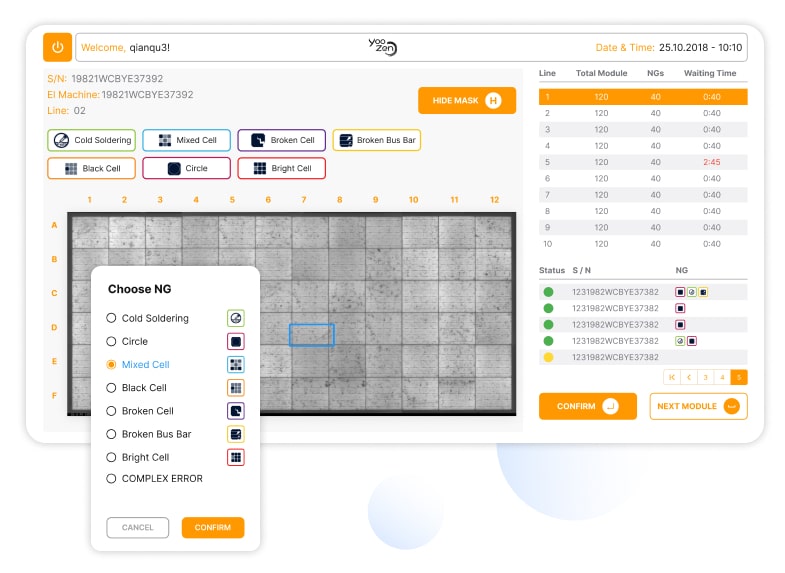
يوزين took the idea in a more industrial direction, using imaging and machine learning to detect tiny defects in solar panels. This data despite was in a different approach, was still a challenge about clarity, helping teams see details the human eye would normally miss. When you look at these projects together, you start to notice a pattern. Data only becomes valuable once it’s shaped into something people can understand, trust, and act on. That’s usually where our work feels most meaningful.
As more businesses move into a world shaped by constant streams of information, the real challenge isn’t collecting data anymore, it’s understanding what to do with it. The gap between raw information and meaningful insight keeps growing, and companies that learn to bridge it tend to move with more confidence. They make choices based on what’s actually happening rather than what they assume, and that kind of clarity often sets the tone for long-term stability.
Whether it’s health, research, or industrial automation, the turning point usually comes when messy data finally starts telling a coherent story. Helping teams reach that moment, where they can look at a dashboard or a model and immediately understand what it means for their next step, is often the most rewarding part of the work. It’s less about the tools themselves and more about reducing noise so decisions feel grounded rather than overwhelming.
Looking ahead, that need for clarity will only become more essential. The companies that treat data as a partner instead of a burden will be able to adapt faster, innovate with intention, and stay steady even in uncertain environments. If you’re exploring how to move in that direction, we’re always open to conversations. Sometimes all it takes is a fresh look at the information you already have.
Ready to turn your data into your biggest business advantage? 👉 للتواصل مع Lasting Dynamics now for a personalized data insights consultation and start making smarter, faster decisions today!
Data insights are meaningful interpretations drawn from raw information that support informed decision-making. They help organizations identify patterns, anticipate risks, and uncover opportunities, ultimately strengthening strategic planning, operational efficiency, and long-term growth.
Companies can reduce data overload by defining clear business objectives, consolidating reports, and leveraging modern analytics platforms that highlight relevant metrics. This approach filters unnecessary noise and ensures teams concentrate on insights that directly influence performance and decision-making.
Although all industries benefit from data-driven decision-making, sectors such as retail, finance, healthcare, and technology gain particular advantages. These fields rely heavily on real-time analytics to optimize operations, improve customer experiences, and drive continuous innovation.
Major challenges include outdated systems, inconsistent data quality, and organizational resistance to new processes. Additionally, limited data literacy can hinder adoption, making training and cultural alignment essential for successful transformation.
Emerging trends include increased AI-driven automation, broader access to self-service analytics tools, and a stronger emphasis on ethical data practices. These developments will make insights more accurate, timely, and transparent across organizations.
حوّل الأفكار الجريئة إلى تطبيقات قوية.
لنصنع معاً برمجيات تُحدث تأثيراً.

لويس لامبرت
أنا مصمم وسائط متعددة ومؤلف إعلانات ومحترف تسويق. أبحث بنشاط عن تحديات جديدة لتحدي مهاراتي والنمو مهنياً.
