

صياغة التميز في البرمجيات
دعنا نبني شيئاً استثنائياً معاً.
اعتمد على شركة Lasting Dynamics للحصول على جودة برمجيات لا مثيل لها.
ميشيل سيمينو
أبريل 26, 2026 • 10 min read

Healthcare is evolving at an unprecedented pace, and nowhere is this more evident than in the world of medical computer programs. As clinics, hospitals, and private practices face growing demands for accuracy, efficiency, and patient engagement, the right software can make all the difference.
In 2026, medical computer programs are not just support tools, they are a fundamental piece of modern healthcare delivery, connecting practitioners, patients, and data like never before. Understanding how these programs work and the value they deliver is essential for anyone invested in the future of healthcare.

The rise of medical computer programs. Photo by Vitaly Gariev on Unsplash: https://unsplash.com/photos/doctor-wearing-a-white-coat-sits-at-a-desk-XuB10o8080c
Medical computer programs cover an increasingly wide range of tools, and their role in healthcare has grown far beyond basic digital record-keeping. They now support everything from daily clinical tasks to long-term care planning, helping both clinicians and patients navigate complex medical processes with more confidence. What used to be simple software for storing data has matured into systems capable of analyzing trends, reducing administrative friction, and offering insights right when they’re needed.
Over the last decade, the shift has been driven by a mix of technology improvements and pressure to modernize. Hospitals and clinics can no longer rely on disconnected systems or manual workflows, so software has evolved to fill those gaps. Today’s tools interact with lab systems, imaging platforms, pharmacies, and even patient apps, creating a more complete view of what’s happening across the care ecosystem.
What’s most notable is that these innovations are no longer exclusive to large institutions. Smaller clinics and specialized practices now have access to software once considered too expensive or complex for their scale. As a result, the benefits of well-designed medical programs like clarity, efficiency, and better patient engagement, are becoming more evenly distributed across the entire healthcare sector.
The rising of medical computer programs was something that slowly grew out of several pressures that reshaped healthcare from the inside out. One major factor has been regulatory demand, health organizations must now meet higher standards for accuracy, privacy, and auditability, and digital tools make that feasible. At the same time, patients have become more involved in their own care, expecting online access for tools that allow them to handle their health remotely.
A major turning point came during the pandemic, when remote care went from a convenience to a necessity almost overnight. Tools that supported virtual visits or continuous monitoring suddenly had to scale, and their success opened the door for broader digital adoption. The idea of care happening only within the walls of a hospital simply didn’t hold anymore.
Alongside these cultural shifts, the technology itself advanced quickly. Cloud platforms made software more accessible, even for small practices, and artificial intelligence introduced new ways to interpret data and flag risks early. All these elements combined to make digital tools not just helpful but foundational to modern care delivery.
Even with all the benefits, implementing medical computer programs isn’t always straightforward. Many healthcare organizations still rely on systems built years ago, and connecting new software to these older tools can be time-consuming. Some teams end up juggling multiple platforms that don’t communicate well, which creates frustration instead of the simplicity they were hoping for.
Budget limitations add another layer of difficulty, especially for smaller clinics that need modern solutions but can’t justify high upfront costs. And even when the financial side works out, adoption often depends on whether staff feel comfortable changing the way they work. For people who have relied on paper charts or outdated systems for years, switching to something unfamiliar can be unsettling.
دعنا نبني شيئاً استثنائياً معاً.
اعتمد على شركة Lasting Dynamics للحصول على جودة برمجيات لا مثيل لها.
Modern medical software has to support clinicians, administrators, and patients all at once, so clarity and ease of use are essential. A clean, intuitive interface can make the difference between a tool that speeds up care and one that gets in the way. In fast-paced environments, people don’t have time to navigate complicated menus, they need information that’s easy to find and understand.
Interoperability remains one of the biggest priorities across healthcare systems. A useful program must connect with labs, imaging centers, pharmacies, and sometimes even external hospitals. When these connections work well, information flows smoothly from one stage of care to the next, reducing errors and helping teams collaborate more naturally. Good software doesn’t operate in a bubble, it fits into the larger rhythm of clinical work.
With cyberattacks on the rise, healthcare organizations depend on features like encryption and detailed audit logs to protect sensitive data. Many tools now also come with built-in analytics that surface patterns and highlight risks, helping teams make more informed decisions without digging through endless reports. Together, these capabilities shape software that genuinely supports the future of care.
Healthcare has shifted quite a bit thanks to modern software. Tasks that once required long phone calls, paper forms, or extra staff now happen quietly in the background. Appointment systems help clinics organize their days more smoothly, and patients feel the difference when wait times shrink and communication becomes more predictable. It’s the kind of improvement that doesn’t call attention to itself but is felt throughout the entire care experience.
For clinicians, having a full medical history just a few clicks away means decisions can be made with more confidence. EHRs pull together lab results, imaging, medication lists, and notes from different specialists, making it easier to see patterns or identify risks early. Tools with AI capabilities add another layer of support by highlighting potential issues in scans or lab results that might otherwise be missed. They don’t replace expertise, but they help guide it.
On the administrative side, much of the heavy lifting is now automated. Billing, insurance claims, and documentation have become less of a burden, reducing the chance of human error and giving staff more time to focus on patients rather than paperwork. It’s a quiet but meaningful shift in how healthcare organizations function day to day.
Keeping patient information safe is one of the biggest responsibilities in healthcare, and modern systems take that role seriously. Encryption, secure cloud environments, and constant monitoring help organizations protect data even as digital threats grow more sophisticated. The goal isn’t to make security visible, it’s to make it trustworthy and consistent, so clinicians can work confidently without worrying about what’s happening behind the scenes.
Compliance adds another layer of complexity, but it’s essential. Regulations evolve, and healthcare providers need software that can evolve with them. Many modern tools include features like built-in checklists, access controls, and automated reporting that make it easier to stay aligned with standards such as HIPAA or GDPR. Instead of scrambling to prepare for audits, teams can rely on systems that stay up to date by design.
This combination of strong security and thoughtful compliance creates a foundation of trust. Patients feel more comfortable sharing sensitive information, and organizations avoid costly mistakes that could undermine their reputation. It’s one of those areas where good software quietly supports the entire structure of care.
بدءاً من الفكرة إلى الإطلاق، نقوم بتصميم برامج قابلة للتطوير مصممة خصيصاً لتلبية احتياجات عملك.
شارك معنا لتسريع نموك.
Thanks to software evolution in the last decade, medical software brings a range of smaller benefits that make a noticeable difference in people’s lives. One of the clearest examples is patient empowerment. When individuals can book appointments, view lab results, or manage prescriptions on their own, they gain a sense of control that strengthens their relationship with their providers. Engagement tends to rise naturally when people don’t have to fight for access to basic information.
There’s also the matter of reach. Remote care tools make it easier to serve patients who live far away, struggle with transportation, or simply prefer virtual check-ins. For many, this flexibility means they can access care they might have otherwise delayed or skipped. It’s a quiet improvement that expands access without requiring major changes to infrastructure.
And then there are the subtle interventions that come from automation, reminders, follow-ups, and check-ins that help reduce no-shows and keep chronic conditions on track. These small nudges can add up to better outcomes over time, showing that good software doesn’t just streamline tasks, it supports healthier habits and more reliable care.
Medical computer programs have grown into a broad set of tools that touch almost every part of the healthcare system. Some focus on clinical needs, like EHRs, diagnostic imaging platforms, or decision-support systems that help clinicians interpret complex data. Others are designed for the administrative side, offering scheduling, billing, inventory tracking, or compliance management. Together, they create the backbone that keeps modern healthcare moving.
There’s also a growing category of patient-facing tools. Mobile health apps, telemedicine platforms, and remote monitoring devices give patients ways to stay connected between visits. These tools are becoming more intuitive and more common, which makes it easier for people to manage their health on their own terms. They don’t replace clinical care, but they extend its reach into everyday life. Here’s a quick overview of the most common categories:
Medical software has grown alongside a wave of new technologies, and the connection between them feels more natural every year. Cloud platforms give healthcare organizations room to store and process massive amounts of information without worrying about local limitations. AI has also found its place in day-to-day care, helping identify patterns in scans or lab data and offering predictions that support earlier interventions.
Connected devices are becoming part of the bigger picture too. With IoT sensors and wearables, vital signs can move directly from the patient to the medical record without any manual steps. This real-time flow of information allows clinicians to keep a closer eye on patients, even outside the hospital. It’s a quiet shift, but it changes how teams monitor and respond to health changes.
There’s also growing interest in technologies like blockchain that promise more secure and reliable data exchange between institutions. These tools are still developing, but they show how the future of healthcare software is headed toward systems that are not only smarter, but also more connected and more transparent.
في Lasting Dynamics, we help the healthcare sector build medical software that makes daily work easier. Most of our collaborations begin the same way, teams overwhelmed by outdated tools or fragmented workflows, unsure where to start. What we do first is listen. Once we understand how their clinical, operational, or research processes really work, we design software that supports people instead of slowing them down.
نحن نصمم ونبني منتجات رقمية عالية الجودة ومميزة.
الموثوقية والأداء والابتكار في كل خطوة.
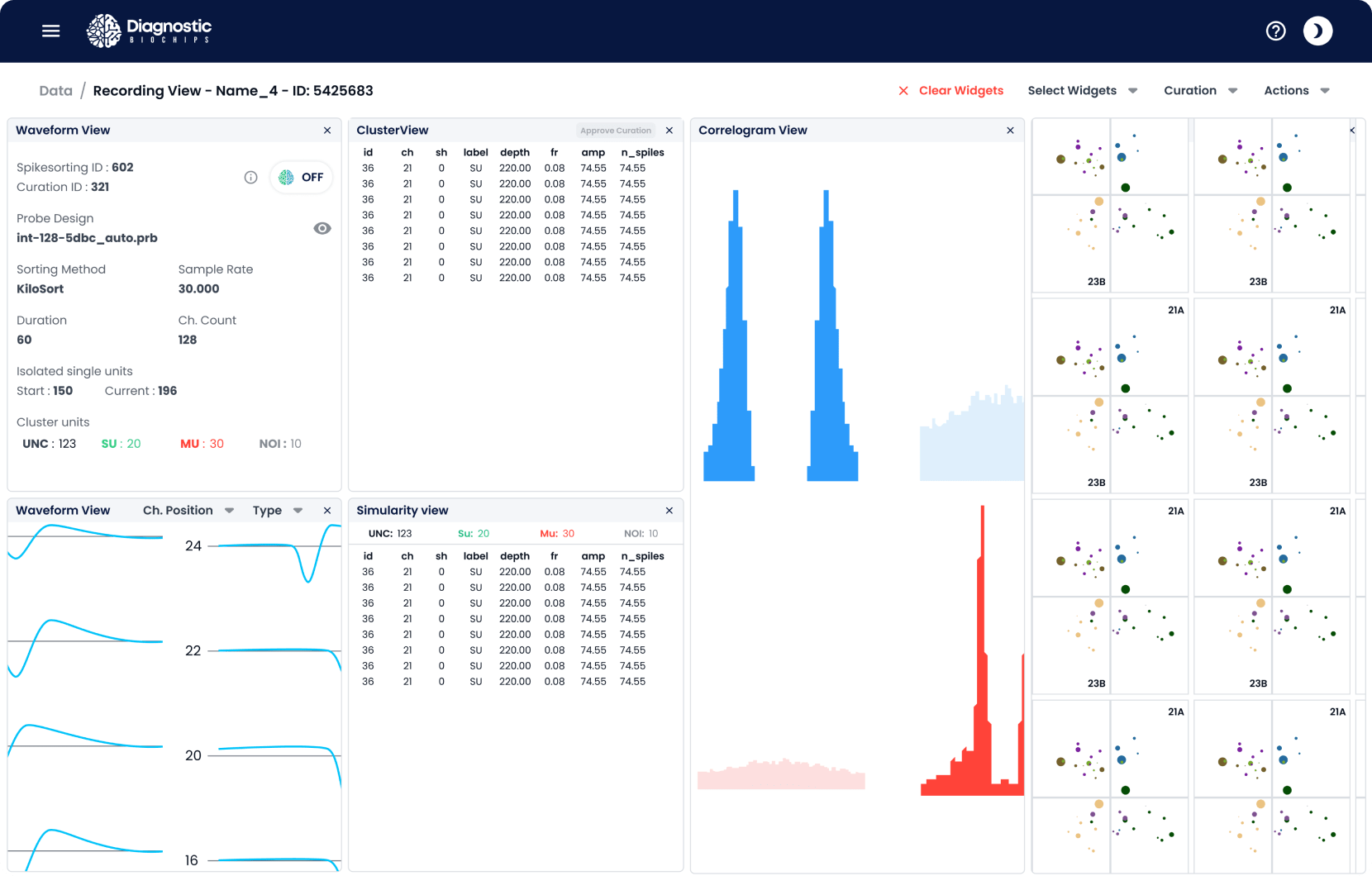
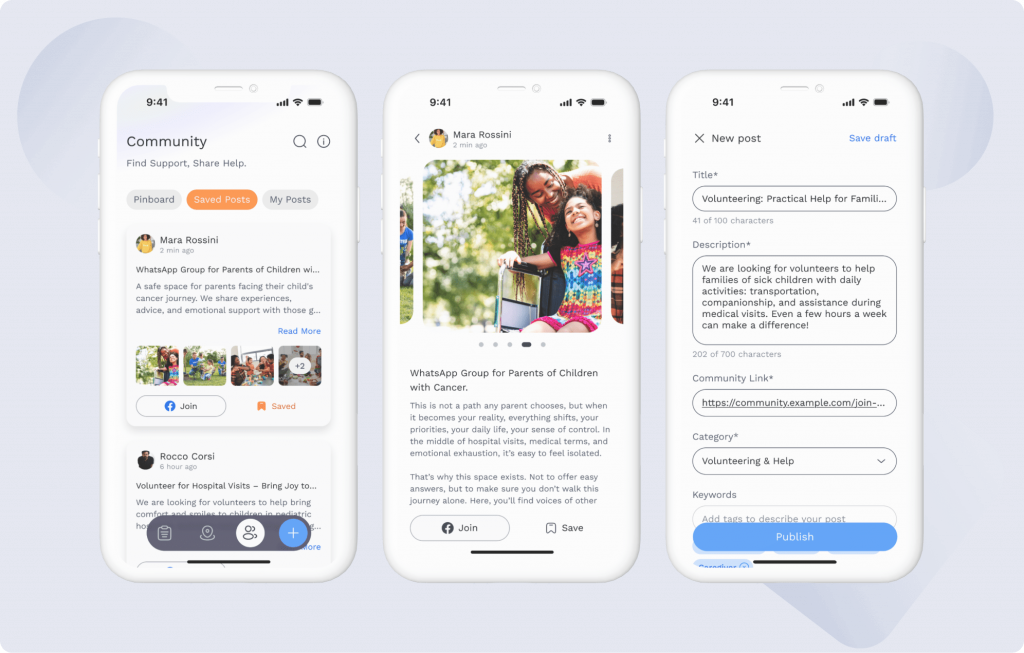
Projects like الرضيع و Diagnostic Biochips taught us a lot about this. With INFANT, we worked on a system that needed to manage sensitive information and guide users through very specific health-related procedures. With DBC, the challenge was to simplify and structure complex documentation so clinicians could spend less time on screens and more time with patients. In both cases, the real value came from building tools that felt natural to use, software that fits the environment rather than forcing people to change their entire routine.
Looking back, what makes these products work isn’t just the technology behind them, it’s the approach and the solution given. We try to keep things practical, lightweight, and adaptable, because healthcare moves fast and software has to move with it. Every new project gives us a chance to refine that balance between accuracy, safety, and usability. And if there’s something we’ve learned along the way, it’s that good medical software doesn’t try to be impressive, it tries to be helpful.
Looking forward, medical software is likely to feel even more intuitive and predictive. AI and machine learning will continue to evolve, giving systems the ability to anticipate risks and suggest treatment options before issues escalate. These tools won’t replace clinicians, but they’ll offer a level of support that helps catch early warning signs and improve patient outcomes.
Interfaces will also become easier to use. Voice commands and natural language processing could reduce the time clinicians spend typing or searching through menus, helping reduce burnout and freeing attention for patient interaction. Small improvements like these add up, especially in busy environments.
Meanwhile, global standards for data sharing will make coordinated care smoother, even across borders. Patients will have more tools to track their own health and participate in their treatment plans. As digital expectations rise, medical software will continue moving toward systems that meet patients where they are connected, informed, and involved.
Healthcare software has quietly become the backbone of modern care, supporting everything from diagnosis to daily administration. As these tools grow more capable integrating AI, improving interoperability, and offering clearer insights, they help clinicians work more efficiently and give patients a smoother, more connected experience. The shift isn’t just technical, it reflects a broader move toward care that’s more responsive and more aware of each patient’s needs.
For organizations, staying ahead means doing more than buying new systems. It requires encouraging teams to stay curious, learn continuously, and adapt to technologies as they evolve. When people feel supported and informed, the transition becomes smoother, and the software becomes something that genuinely helps rather than complicates their work. This mindset makes it easier to keep pace with a field where change is constant.
At Lasting Dynamics, we take that journey seriously. We help healthcare providers understand their options, choose the right tools, and build solutions that fit naturally into their workflows. The goal is simple: make innovation feel less overwhelming and more empowering, something that improves life for both patients and the people who care for them.
Ready to take your healthcare practice to the next level? 👉 تواصل مع Lasting Dynamics today for a personalized consultation and discover how our innovative medical computer programs can transform your patient care and operational efficiency.
Core categories include Electronic Health Records, telemedicine platforms, diagnostic imaging systems, practice management software, and clinical decision support tools. Together, these applications support clinical workflows, administrative efficiency, and informed patient care across diverse healthcare environments.
These systems streamline clinical processes, reduce manual errors, and enable faster, more accurate diagnoses. They also improve patient engagement through digital communication and promote secure information sharing among providers for more coordinated and effective care.
Organizations should prioritize usability, interoperability, strong security standards, regulatory compliance, and reliable vendor support. Evaluating customization options and integration capabilities is also essential to ensure smooth adoption and long-term scalability within existing infrastructures
Yes. When deployed correctly, modern medical software incorporates encryption, strict access controls, and adherence to frameworks like HIPAA or GDPR. These measures safeguard patient data, ensure privacy, and maintain compliance across healthcare operations.
Emerging trends include advanced AI-driven analytics, improved interoperability across systems, expanded telehealth features, and voice-assisted data entry. These innovations aim to increase efficiency, reduce clinician workload, and empower patients to participate more actively in their care.
حوّل الأفكار الجريئة إلى تطبيقات قوية.
لنصنع معاً برمجيات تُحدث تأثيراً.

ميشيل سيمينو
أؤمن بالعمل الجاد والالتزام اليومي كوسيلة وحيدة للحصول على النتائج. أشعر بجاذبية لا يمكن تفسيرها للجودة وعندما يتعلق الأمر بالبرمجيات فهذا هو الدافع الذي يجعلني وفريقي نتمسك بشدة بممارسات أجايل والتقييمات المستمرة للعمليات. لديّ موقف تنافسي قوي تجاه كل ما أتناوله - بطريقة لا أتوقف فيها عن العمل، حتى أصل إلى القمة، وبمجرد أن أصل إلى القمة، أبدأ العمل للحفاظ على مكانتي.
