

Å skape fremragende programvare
La oss bygge noe ekstraordinært sammen.
Stol på Lasting Dynamics for enestående programvarekvalitet.
Michele Cimmino
feb 01, 2026 • 10 min read

Helsevesenet verden over er i ferd med å nå et bristepunkt. Med 80% av lederne i helsevesenet spår rekrutteringsutfordringer og et forventet underskudd på 10 millioner helsearbeidere i EU og USA innen 2030, Bemanningskrisen er ikke lenger en fjern trussel, den er en presserende realitet. Konsekvensene er synlige på alle sykehus og klinikker: overarbeidede ansatte, økende utbrenthet og pasientbehandling som strekker seg utover trygge grenser. Det som en gang virket som en utfordring som gikk langsomt, er nå et presserende behov for endring.
I dette komplekse scenariet, kunstig intelligens og automatisering er ikke lenger eksperimentelle verktøy, men praktiske løsninger. Disse teknologiene trer inn der den menneskelige kapasiteten kommer til kort, og effektiviserer administrativt arbeid, støtter diagnostikk og til og med bistår med behandlingsbeslutninger. Ved å ta seg av repeterende eller tidkrevende oppgaver kan AI gjøre det mulig for medisinske team å fokusere på det som virkelig betyr noe: pasientinteraksjon og kritisk omsorg. I stedet for å erstatte fagpersonalet, forbedrer den deres evne til å levere kvalitetsresultater.
Viktigst av alt er at kunstig intelligens og automatisering åpner døren til en ny visjon for helsevesenet, en visjon som er effektiv, skalerbar og fortsatt dypt menneskesentrert. Disse innovasjonene vil ikke bare redusere arbeidsmengden, men også forbedre pasientsikkerheten, øke nøyaktigheten og skape mer robuste helsesystemer. Ettersom sektoren står overfor en av de største utfordringene i moderne historie når det gjelder arbeidskraft, er teknologi ikke bare et alternativ, det er i ferd med å bli fundamentet for en bærekraftig fremtid i helsevesenet.

Smartere helse, bedre liv. Foto av Vitaly Gariev på Unsplash: https://unsplash.com/photos/doctor-shows-patient-medical-scan-on-tablet-6qN9yEK5k9U
Helsesektoren står overfor en av de største utfordringene i moderne historie. Aldrende befolkninger, økende kroniske sykdommer og de vedvarende effektene av pandemien har økt etterspørselen etter medisinske tjenester, samtidig som mange erfarne fagfolk trekker seg ut av arbeidslivet. Både klinikker og sykehus merker presset, og presset på de ansatte er til å ta og føle på, både i byene og på landsbygda.
Konsekvensene går utover tallene. Lange vakter, stadige avbrytelser og tyngden av avgjørelser om liv eller død går ut over både det mentale og fysiske velværet. Utbrenthet er ikke lenger et isolert problem, det preger hverdagen til utallige helsearbeidere. I takt med at systemene sliter med å opprettholde standarden på pleien, blir de menneskelige kostnadene ved underbemanning smertelig synlige.
Denne krisen gir også mulighet for refleksjon og innovasjon. Ledere i helsevesenet blir presset til å tenke nytt om arbeidsflyten, fremme sterkere teamstøtte og ta i bruk teknologi som kan avlaste repetitive oppgaver. Det handler ikke bare om effektivitet, men også om å skape et arbeidsmiljø som prioriterer bærekraft og menneskelig kontakt. Ved å navigere i disse utfordringene kan sektoren ikke bare finne nye løsninger, men også en fornyet følelse av mening i oppdraget om å ta vare på andre.
Konsekvensene av mangel på arbeidskraft går langt utover ulempene. Overbelastede team er mer utsatt for utbrenthet, fravær og turnover, noe som setter i gang en ond sirkel som utarmer personalet ytterligere. Studier viser at høyere sykepleier-forholdstall fører til flere feil, lengre sykehusopphold og lavere tilfredshet.
Økonomisk sett er belastningen enorm. Kostnader til overtid, vikarer og rekruttering skyter i været og spiser av allerede stramme budsjetter. Sykehusene kan bli tvunget til å begrense tjenestene, stenge avdelinger eller utsette nye programmer. For mange føles presset om å “gjøre mer med mindre” uholdbart, og moralen synker når fagfolkene sliter med å holde tritt.
Disse smertepunktene understreker det presserende behovet for driftsinnovasjon. Med AI og automatiseringsverktøy som kan lette den administrative byrden og effektivisere arbeidsflyten, kan klinikerne fokusere på det som betyr mest - pasientbehandlingen.
Kunstig intelligens og automatisering er i ferd med å forandre alle deler av helsevesenet. Fra virtuelle assistenter som tar seg av pasientspørsmål til robotisert prosessautomatisering (RPA) som håndterer fakturering og timeplanlegging - disse teknologiene utgjør en livline for organisasjoner med knappe ressurser.
Unlike previous waves of tech adoption, today’s AI tools are adaptive, user-friendly, and capable of integrating with legacy systems. They’re not about replacing human expertise, they’re about augmenting it. By automating routine or repetitive tasks, AI frees up clinicians’ time for complex decision-making and direct patient engagement.
Fremtidsrettede helsesystemer ser allerede resultater: raskere behandlingstider, færre feil, mer fornøyde medarbeidere og bedre pasienttilfredshet. Etter hvert som teknologien modnes, blir potensialet for å tette bemanningsgapet enda større.
AI-drevne virtuelle assistenter blir raskt en viktig del av helsetjenesteteamet. Disse digitale kollegene håndterer alt fra timeplanlegging og påminnelser til å svare på vanlige pasientspørsmål, veilede brukerne gjennom sjekklister før besøket og til og med samle inn pasienthistorikk.
Effekten er umiddelbar: Det administrative personalet kan fokusere på viktigere oppgaver, sykepleierne bruker mindre tid på telefonen, og legene er bedre forberedt på hvert eneste besøk. Virtuelle assistenter forbedrer også pasientopplevelsen ved å gi tilgang til informasjon døgnet rundt, slik at man slipper å vente i kø eller navigere i uoversiktlige telefontrær.
For overstretched clinics and hospitals, virtual assistants aren’t just a convenience, they’re a necessity that helps ensure operational continuity when human resources are scarce.
La oss bygge noe ekstraordinært sammen.
Stol på Lasting Dynamics for enestående programvarekvalitet.
Automatisering av robotiserte prosesser (RPA) er i ferd med å revolusjonere backoffice-driften i helsevesenet. RPA-roboter kan behandle forsikringskrav, håndtere fakturering og koding, håndtere logistikk i forsyningskjeden og oppdatere elektroniske pasientjournaler (EPJ), alt sammen raskere og med færre feil enn manuelle prosesser.
I kliniske miljøer kan automatiseringsverktøy flagge unormale laboratorieresultater, sende påminnelser om medisinering og spore pasientforløpet. AI-drevet diagnostisk støtte kan analysere radiologiske bilder, identifisere potensielle risikoer og prioritere tilfeller for gjennomgang, slik at klinikere kan jobbe smartere med begrensede ressurser.
Resultatet: strømlinjeformede arbeidsflyter, reduserte administrative kostnader og mer tid til direkte pasientbehandling. Automatisering fyller ikke bare bemanningshull, men gir klinikerne mulighet til å jobbe på toppen av sin kompetanse.

Effektiv vaktplanlegging er avgjørende for å håndtere bemanningsgap. AI-baserte plattformer kan matche skiftoppgaver med forventet pasientvolum, personalets kompetanse og til og med individuelle preferanser, noe som minimerer konflikter og fravær.
Disse systemene bruker sanntidsdata fra innleggelser, utskrivelser og trender i folketallet til å foreta dynamiske justeringer. Hvis en avdeling plutselig mangler personale, foreslår plattformen den beste omfordelingen av personell eller utløser en innkalling av midlertidig hjelp.
For ledere i helsevesenet betyr dette mer forutsigbar dekning, høyere medarbeidertilfredshet og muligheten til å reagere raskt på uventede økninger i etterspørselen, uten å slite ut teamene.
Telemedisin og fjernovervåking av pasienter har eksplodert de siste årene, og kunstig intelligens er kjernen i deres suksess. Virtuelle omsorgsplattformer gjør det mulig for klinikere å konsultere, diagnostisere og følge opp pasienter på avstand, noe som dramatisk utvider rekkevidden til begrenset personale.
AI-drevne verktøy gjennomgår pasientgenererte data fra bærbare enheter og hjemmeenheter, og flagger dem som trenger hjelp og automatiserer rutinemessige kontroller. Denne tilnærmingen reduserer unødvendige personlige besøk, gjør sårbare grupper tryggere og gjør det mulig for klinikere å prioritere pasienter som trenger øyeblikkelig hjelp.
I en verden der hver eneste arbeidstime teller, er virtuell omsorg støttet av kunstig intelligens ikke bare en nødløsning, det er en bærekraftig modell for å levere omsorg i stor skala.
Avanserte analyser hjelper helseorganisasjoner med å forutse etterspørselen, forutse overbelastning og planlegge bemanningen deretter. AI-modeller tar hensyn til historiske data, sesongmessige trender, folkehelsevarsler og til og med lokale hendelser for å forutsi pasientflyt og -belastning.
Dette gjør det mulig for ledere å justere timeplaner proaktivt, ansette midlertidig personale eller gi eksisterende ansatte krysstrening. Forutseende innsikt gir også informasjon om styring av forsyningskjeden, slik at kritiske ressurser er tilgjengelige når de trengs.
Med tanke på at bemanningsmangelen sannsynligvis vil vedvare, er prediktive analyser en måte å ligge i forkant på, slik at pasientene får behandling til rett tid samtidig som de ansattes arbeidsmengde forblir håndterbar.
En vanlig bekymring er at automatisering vil gjøre helsevesenet mindre personlig. I virkeligheten frigjør godt utformede AI-verktøy klinikere til å tilbringe mer tid med pasientene, ikke mindre. Ved å fjerne papirarbeid og rutineoppgaver kan personalet fokusere på å bygge relasjoner, gi opplæring og gi medfølende pleie. I stedet for å erstatte det menneskelige elementet, fungerer teknologien som et støttesystem som styrker det.
AI støtter også mangfold og inkludering ved å standardisere prosesser, redusere skjevheter i planlegging og ansettelser og sikre mer rettferdig tilgang til tjenester. Automatiserte triagesystemer kan for eksempel bidra til å redusere forskjellene i behandlingstilbudet ved å bruke konsistente kriterier, mens rekrutteringsverktøy kan minimere ubevisste skjevheter i utviklingen av arbeidsstyrken. Disse forbedringene gjenspeiler den bredere rollen kunstig intelligens spiller når det gjelder å skape mer rettferdige og tilgjengelige helsesystemer.
Målet er ikke å erstatte den menneskelige kontakten, men å løfte den frem og gjøre helsevesenet mer responsivt, effektivt og humant. Klinikere som tar i bruk kunstig intelligens som en partner, kan yte omsorg av høyere kvalitet uten å miste den empatien som definerer yrket deres. Ved å kombinere teknologisk innovasjon med medfølelse kan helseorganisasjoner oppnå det beste fra begge verdener: fremragende drift og dypt menneskelige pasientopplevelser.
Helsedata er blant de mest sensitive i alle bransjer, og fremveksten av kunstig intelligens og automatisering øker bare ansvaret for å beskytte dem. Systemene må overholde strenge regelverk som HIPAA i USA og GDPR i Europa, slik at pasientenes personvern blir ivaretatt i alle ledd. Tekniske tiltak som kryptering, flerfaktortilgangskontroller og kontinuerlige sikkerhetsrevisjoner er ikke lenger valgfrie, de er grunnlaget for tillit til digital helse.
I tillegg til sikkerhet er etisk design avgjørende. AI-algoritmer bør være transparente og forklarlige, slik at klinikere og pasienter får klarhet i hvordan anbefalinger og beslutninger blir tatt. Regelmessig testing for å avdekke skjevheter bidrar til å forhindre ulikheter i behandlingstilbudet, samtidig som styringsstrukturer sikrer ansvarlighet hvis det oppstår feil. Både pasienter og ansatte fortjener tillit til at AI-systemer ikke bare er nøyaktige, men også rettferdige og respekterer menneskeverdet.
Fra idé til lansering lager vi skalerbar programvare som er skreddersydd til dine forretningsbehov.
Samarbeid med oss for å akselerere veksten din.
Etterlevelse, sikkerhet og etikk er et felles ansvar for teknologileverandører og helseorganisasjoner. Ledere må kreve åpenhet fra leverandørene, investere i opplæring for å øke den digitale kompetansen blant de ansatte og etablere tydelige kanaler for tilbakemeldinger og klageadgang. De som balanserer innovasjon med etisk og regulatorisk strenghet, vil sette standarden for ansvarlig bruk av kunstig intelligens i helsevesenet.
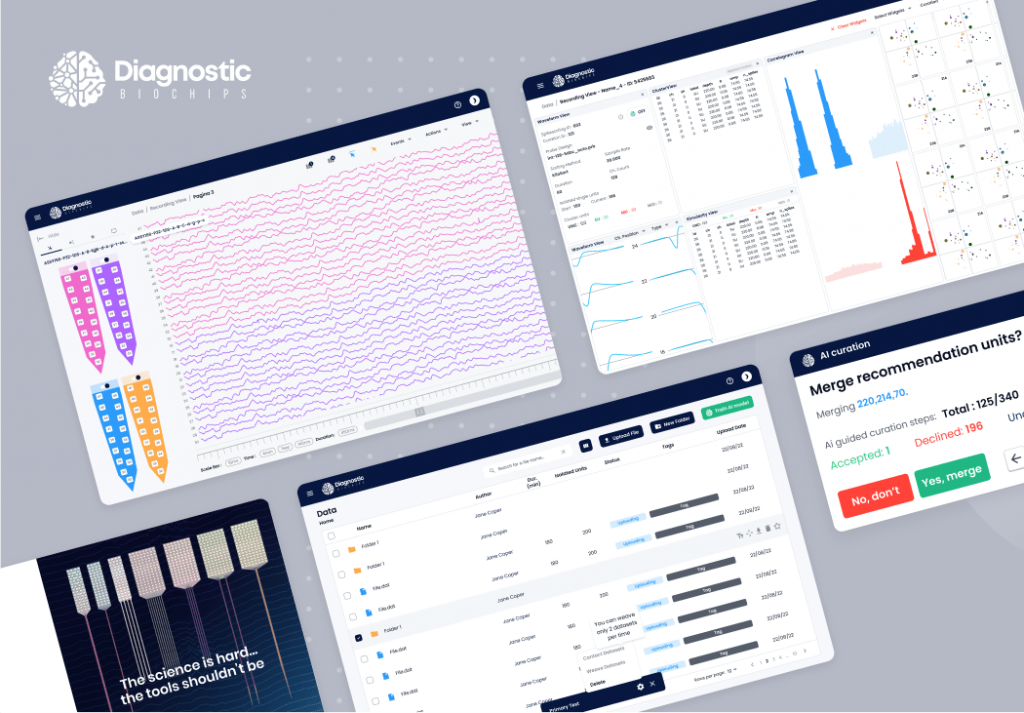
Hos Lasting Dynamics er kunstig intelligens en av grunnpilarene våre, og vi ser det ikke bare som et verktøy, men som en måte å endre måten helsevesenet fungerer på. Et av våre stolteste samarbeid har vært med Diagnostiske biochips. Sammen bygget vi DBC Cloud-plattformen for å hjelpe forskere med å håndtere den overveldende mengden nevrovitenskapelige data. Det som tidligere tok flere måneder med manuell kuratering, ble dramatisk redusert med våre AI-drevne verktøy for spikesortering og batchbehandling. Ved å redusere prosessen med mer enn 80% og gjøre det enklere å dele data, hjalp vi forskere med å fokusere mindre på datahåndtering og mer på å gjøre oppdagelser.
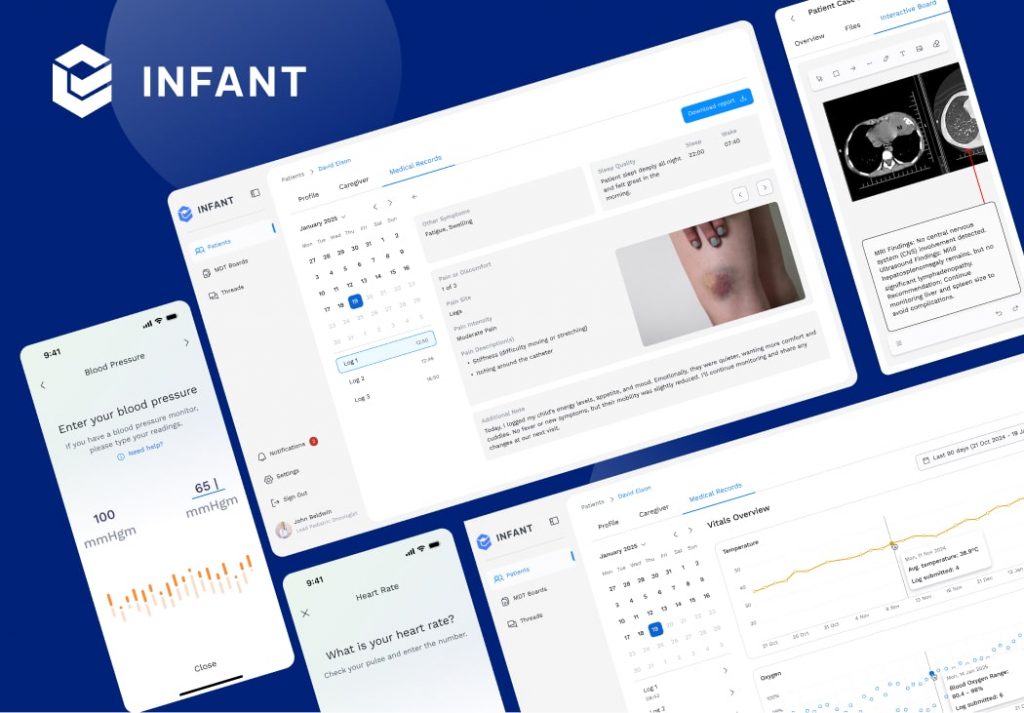
Et annet prosjekt som ligger oss svært på hjertet er SPEDBARN, et av våre nyeste og mest innflytelsesrike arbeider. Dette intelligente systemet ble utviklet for å støtte pediatrisk onkologi ved å forbedre behandlingskoordinering og redusere unødvendige sykehusbesøk. Med AI-modeller i sanntid som sporer sykdomsutviklingen og hjelper legene med å ta beslutninger, gjør INFANT behandlingen mer effektiv, mer responsiv og, viktigst av alt, mer medfølende for barna og familiene deres.
Vi mener at teknologien alltid skal tjene menneskene, ikke omvendt. Det er derfor vi legger så mye arbeid i helseprosjekter, fordi vi mener at alle fortjener verdig helse. Den eneste måten å bygge en bedre verden på, er å jobbe hver dag for å gjøre den bedre. Hvis du vil se mer av arbeidet vårt på dette området, inviterer vi deg til å for å utforske helseseksjonen vår, hvor vi deler historier om prosjekter som Diagnostic Biochips, INFANT, OMNE, og mye mer.
Frem mot 2030 (2026 er tidspunktet for denne artikkelen) vil arbeidsstyrken i helsevesenet være mer digital, smidig og tverrfaglig. Etter hvert som AI tar over mer rutinearbeid, vil de ansatte trenge nye ferdigheter, datakompetanse, systemadministrasjon og digital kommunikasjon.
Fremtidsrettede organisasjoner investerer allerede i kompetansehevingsprogrammer og utdanner sykepleiere og leger til å jobbe sammen med kunstig intelligens og utnytte automatisering effektivt. Universiteter og fagforeninger oppdaterer læreplanene for å gjenspeile dette skiftet, og forbereder neste generasjon på en arbeidsplass med en blanding av mennesker og digitalisering.
For pasientene betyr denne utviklingen raskere, mer nøyaktig og mer tilgjengelig behandling. For leverandørene er det en vei ut av arbeidskraftkrisen, en bærekraftig modell der teknologi og medmenneskelighet jobber sammen. Hvis du vil lære mer om fordelene med automatisering og kunstig intelligens i helsevesenet, kan du lese artiklene våre om Akutt helsehjelp og AI og personalisering.
Bemanningskrisen i helsevesenet er reell og presserende, men den er ikke uoverkommelig. Ved å ta i bruk kunstig intelligens og automatisering kan helsevesenet tette kritiske hull, redusere utbrenthet og levere bedre pleie, selv i en tid med stor mangel på arbeidskraft. Nøkkelen er å fokusere på løsninger som styrker, ikke erstatter, den menneskelige arbeidsstyrken, og å samarbeide med erfarne innovatører som forstår både utfordringene og potensialet i denne transformasjonen.
Teknologi alene er imidlertid ikke det beste alternativet. De mest vellykkede organisasjonene vil være de som kombinerer digitale verktøy med kulturelle endringer og skaper miljøer der de ansatte føler seg støttet, verdsatt og rustet til å tilpasse seg nye måter å jobbe på. Opplæring, åpenhet og samarbeid må gå hånd i hånd med innovasjon for å sikre at AI fungerer som en alliert snarere enn en kilde til forstyrrelser. Kort sagt, AI er bra, men det er bare når mennesker er en del av det, at det vil skinne.
Fremtidens helsevesen vil avhenge av den rette balansen mellom menneskelig medfølelse og teknologisk effektivitet. AI og automatisering handler ikke om å redusere klinikernes rolle, men om å gi dem tid og ressurser til å gjøre det de er best til, nemlig å ta vare på mennesker.
Is your organization ready to bridge the healthcare staffing gap with smart AI and automation? 👉 Kontakt Lasting Dynamics i dag for å finne løsninger som styrker teamet ditt, øker effektiviteten og gir bedre behandling, nå og i fremtiden.
Vi designer og bygger digitale produkter av høy kvalitet som skiller seg ut.
Pålitelighet, ytelse og innovasjon i alle ledd.
En aldrende befolkning, flere kroniske sykdommer og pandemidrevet utbrenthet har ført til en forventet mangel på 10 millioner arbeidstakere i EU/USA innen 2030, og de fleste ledere forventer rekrutteringsutfordringer.
AI og automatisering reduserer den administrative arbeidsmengden, optimaliserer planleggingen, effektiviserer arbeidsflyten og muliggjør virtuell pleie, slik at personalet kan fokusere på pasientbehandling og redusere utbrenthet.
Viktige verktøy omfatter virtuelle assistenter, RPA for fakturering og dokumentasjon, prediktiv analyse for bemanning og AI-drevne planleggingsplattformer.
AI er utviklet for å støtte og supplere personalet, ikke for å erstatte dem. Den automatiserer repeterende oppgaver, slik at klinikerne kan fokusere på kompleks, menneskesentrert omsorg.
Ved å bruke løsninger med ende-til-ende-kryptering, streng tilgangskontroll og regelmessige revisjoner, og ved å samarbeide med pålitelige leverandører for å sikre samsvar med HIPAA, GDPR og andre forskrifter.
Forvandle dristige ideer til kraftfulle applikasjoner.
Let’s create software that makes an impact together.

Michele Cimmino
Jeg tror på hardt arbeid og daglig engasjement som den eneste måten å oppnå resultater på. Jeg føler en uforklarlig dragning mot kvalitet, og når det gjelder programvare, er det denne motivasjonen som gjør at jeg og teamet mitt har et sterkt grep om smidig praksis og kontinuerlige prosessevalueringer. Jeg har en sterk konkurranseinnstilling til alt jeg tar fatt på - på den måten at jeg ikke slutter å jobbe før jeg har nådd toppen, og når jeg først er der, begynner jeg å jobbe for å beholde posisjonen.
