

Å skape fremragende programvare
La oss bygge noe ekstraordinært sammen.
Stol på Lasting Dynamics for enestående programvarekvalitet.
Michele Cimmino
jan 18, 2026 • 10 min read
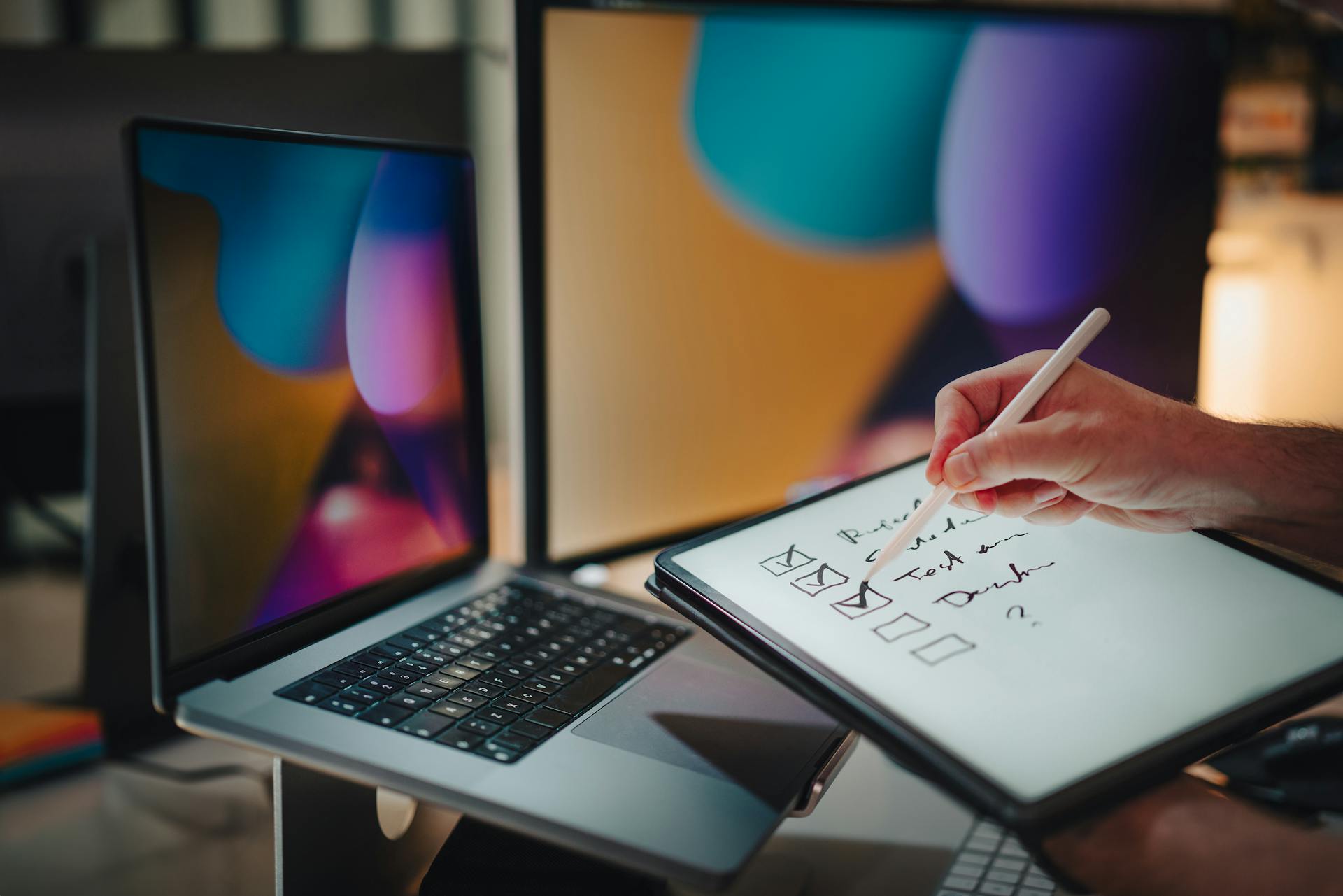
Alle bedrifter trenger i dag en nettside som ikke bare ser bra ut, men som også fungerer feilfritt. Et nettsted som er tregt, utdatert eller vanskelig å navigere på, kan føre til at besøkende forlater siden før de i det hele tatt får sett hva du har å tilby. I 2026 forventer brukerne raske lastetider, intuitivt design og en problemfri opplevelse på alle enheter. Nettstedet ditt er ofte det første inntrykket virksomheten din gir, så det bør skape tillit og gjenspeile kvaliteten på merkevaren din.
Å optimalisere nettstedet ditt handler ikke bare om design, men også om ytelse og formål. Fra SEO til tilgjengelighet, fra mobilvennlighet til sikkerhet – hvert eneste element bidrar til hvordan folk opplever merkevaren din på nettet. Når alt henger sammen – innhold, grafikk, struktur og hastighet – blir nettstedet ditt en pålitelig motor for synlighet, troverdighet og vekst.
Å holde nettstedet ditt optimalisert innebærer å ligge i forkant av skiftende forventninger og teknologier. Regelmessige oppdateringer, datadrevne innsikter og en holdning om kontinuerlig forbedring sikrer at nettstedet ditt utvikler seg i takt med målgruppen din. I en digital verden i rask endring er optimalisering ikke et engangsprosjekt, men en kontinuerlig forpliktelse til å gi besøkende den best mulige opplevelsen hver gang de besøker nettstedet.
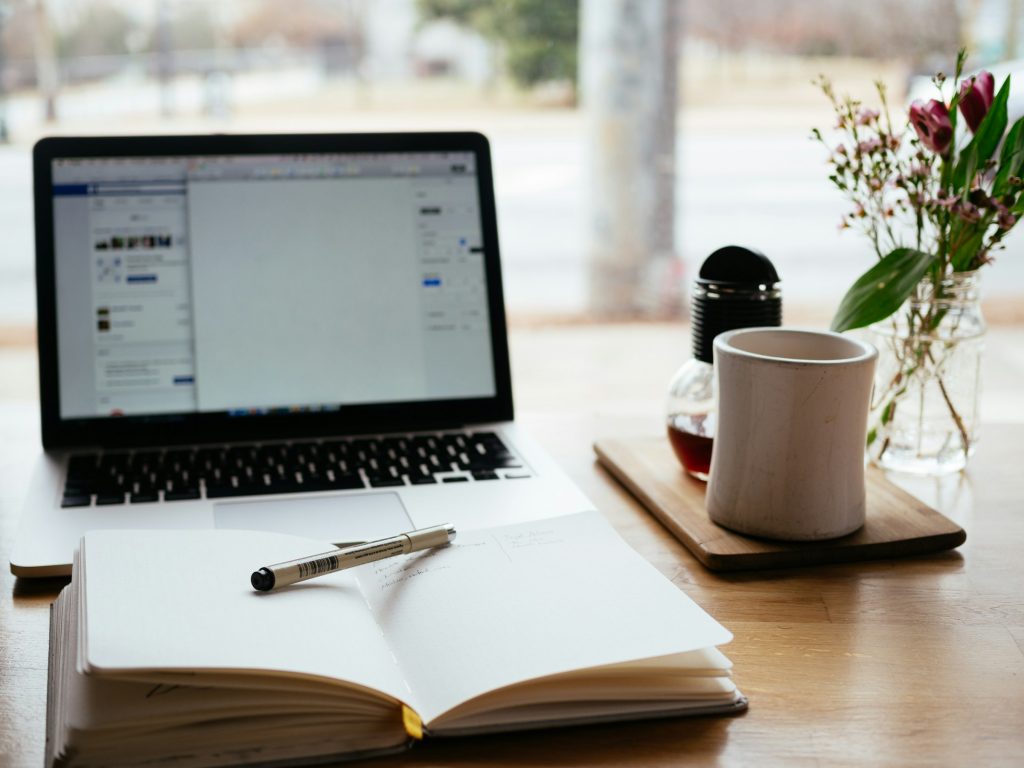
Oppdag hemmelighetene bak hvordan du kan optimalisere nettstedet ditt. Foto: Nick Morrison på Unsplash: https://unsplash.com/es/fotos/macbook-pro-near-white-open-book-FHnnjk1Yj7Y
For mange år siden, nettsteder var i hovedsak digitale brosjyrer, statiske sider med et logo, litt tekst og kanskje et kontaktskjema. De var hovedsakelig informasjonsbaserte og laget for å gi folk et raskt overblikk over et selskap. Den gang var hovedmålet med en nettside synlighet, ikke interaksjon. Bedrifter kunne lykkes på nettet uten å bekymre seg særlig for hastighet, brukervennlighet eller brukerengasjement.
I dag er nettsteder langt mer enn bare sider – de er sentrale forretningsverktøy. Besøkende forventer nettsteder som lastes raskt, intuitiv navigering og tydelig, nyttig informasjon. En nettside må ikke bare vise hvem du er, men også legge til rette for handling, slik at kundene enkelt kan chatte, bestille tjenester, foreta kjøp eller finne support. Denne endringen gjør brukervennlighet og design avgjørende for å gjøre tilfeldige besøkende til lojale kunder.
Det kan virke overveldende å holde tritt med disse endringene, men det er fullt mulig med litt oppmerksomhet og planlegging. Regelmessige oppdateringer, responsive oppsett og gjennomtenkt innhold sikrer at nettstedet ditt fungerer som det skal. Ved å forstå hvordan nettsteder har utviklet seg, kan bedrifter se verdien av å investere i funksjonalitet, brukeropplevelse og kontinuerlige forbedringer for å forbli konkurransedyktige.
En god nettside begynner med oversiktlighet. Navigasjonen bør være enkel og logisk, slik at besøkende kan finne det de trenger med bare noen få klikk. Hjemmesiden din bør umiddelbart formidle hvem du er, hva virksomheten din driver med og hvorfor det er viktig. Hver side bør ha et klart formål og lede brukerne mot den informasjonen eller handlingene de er ute etter.
Mobilvennlighet er ikke lenger et valg. Siden over halvparten av nettrafikken kommer fra smarttelefoner, må et nettsted se bra ut og fungere godt på alle enheter. Dette innebærer lesbar tekst, knapper som er enkle å klikke på, korte lastetider og oppsett som tilpasser seg ulike skjermstørrelser. Ved å ta hensyn til disse detaljene blir opplevelsen jevn og behagelig for alle besøkende.
Tillit er en annen viktig faktor. Ved å vise kontaktinformasjon, kundeanmeldelser, sikkerhetsmerker eller sertifiseringer bidrar du til at brukerne føler seg trygge på å handle med merkevaren din. Når folk føler seg trygge og godt informert, er det større sannsynlighet for at de vil utforske tilbudene dine, foreta kjøp eller komme tilbake senere. En velutviklet nettside skaper en sterk digital tilstedeværelse ved å balansere brukervennlighet, ytelse og troverdighet.
La oss bygge noe ekstraordinært sammen.
Stol på Lasting Dynamics for enestående programvarekvalitet.
Sometimes it’s obvious that a website needs attention. It may look outdated, load slowly, or frustrate users who can’t easily find information. If your website hasn’t been updated in several years, there’s a strong chance it’s not serving your business as well as it could. Recognizing this early helps prevent missed opportunities and lost customers.
Andre tegn du bør være oppmerksom på, er ødelagte lenker, utdaterte kontaktopplysninger eller bilder som ikke vises riktig. Hvis det føles tungvint å legge til nytt innhold eller oppdatere sider, kan det hende at det underliggende systemet er for gammelt eller lite fleksibelt. Ved å regelmessig sjekke nettstedets tekniske tilstand sikrer du at oppdateringer og forbedringer forblir gjennomførbare over tid.
Det er også viktig å ta hensyn til konkurrentene. Hvis konkurrentenes nettsider ser mer moderne ut, er enklere å navigere på eller gir en bedre brukeropplevelse, er det et klart tegn på at det er på tide å handle. En oppdatering i rett tid, som forbedrer design, funksjonalitet og ytelse, kan gjøre nettsiden din mer engasjerende, bidra til å holde på besøkende og styrke din posisjon i markedet.
Hastighet er avgjørende for en god brukeropplevelse på nettstedet. Besøkende forventer at sidene lastes inn nesten umiddelbart, og bare et par sekunder kan avgjøre om de blir værende eller forlater siden. Tregtgående nettsteder frustrerer brukerne, reduserer engasjementet og kan til og med påvirke rangeringen i søkemotorene negativt. Vanlige årsaker til treg ytelse er blant annet store bilder, for mange plugins, utdatert kode eller ustabil hosting.
Den gode nyheten er at det ofte er enkelt å gjøre forbedringer. Å komprimere bilder, fjerne funksjoner som ikke brukes og holde programvaren oppdatert kan øke hastigheten betydelig. Strømlinjeformet kode og optimaliserte databaser bidrar også til at sidene lastes inn raskere. Ved å velge en pålitelig webhotelltjeneste sikrer du at nettstedet ditt har de ressursene det trenger for å svare raskt på forespørsler fra besøkende.
Regelmessig testing er avgjørende for å opprettholde ytelsen. Gratis nettverktøy kan måle lastetider, avdekke flaskehalser og foreslå forbedringer. Ved å overvåke hastigheten og gjennomføre små, kontinuerlige optimaliseringer kan nettstedet ditt tilby en jevn og behagelig opplevelse som holder besøkende engasjert og oppmuntrer dem til å komme tilbake.
Ferskt innhold holder nettstedet ditt levende i besøkendes og søkemotorers øyne. Nettsteder som ikke har blitt oppdatert på flere måneder, kan gi inntrykk av at virksomheten er inaktiv eller utdatert. Ved å regelmessig legge ut nye blogginnlegg, nyhetsoppdateringer, bilder eller produktinformasjon, viser du både kunder og søkemotorer at virksomheten din er aktiv og engasjert.
Det trenger ikke være komplisert å oppdatere nettstedet ditt. Små endringer, som å justere overskrifter, legge til tips eller dele suksesshistorier fra kunder, kan gjøre nettstedet ditt mer levende. Selv små justeringer bidrar til å opprettholde brukerens interesse og viser at bedriften din har øye for detaljer og er oppmerksom på trender.
Jo oftere du oppdaterer, desto flere grunner har folk til å komme tilbake. Regelmessige innholdsoppdateringer styrker troverdigheten, forbedrer søkerangeringene og skaper tillit hos besøkende. En dynamisk nettside gir inntrykk av aktivitet og pålitelighet, og gir målgruppen din trygghet i at de har med en bedrift å gjøre som bryr seg om deres opplevelse.
Fra idé til lansering lager vi skalerbar programvare som er skreddersydd til dine forretningsbehov.
Samarbeid med oss for å akselerere veksten din.

Optimaliser nettstedet ditt for å oppnå bedre resultater. Foto av Lisa fra Pexels på Pexels: https://www.pexels.com/photo/person-using-laptop-3201071/
Sikkerhet er avgjørende for å opprettholde en vellykket nettside. Besøkende må kunne føle seg trygge på at deres personopplysninger er beskyttet. Å installere et sikkerhetssertifikat (SSL) for å aktivere HTTPS er en av de enkleste måtene å vise at du tar personvern på alvor. Å holde nettstedets programvare og plugins oppdatert bidrar også til å forhindre sikkerhetshull og beskytter mot hackere.
Tillitsskapende signaler er like viktige. Å vise tydelig kontaktinformasjon, presentere kundeanmeldelser og legge frem klare vilkår og personvernregler bidrar til at besøkende føler seg trygge på å handle med bedriften din. Disse elementene vitner om profesjonalitet og ansvarlighet, og gir brukerne trygghet om at deres aktiviteter på nettstedet ditt er sikre.
Å kombinere sikkerhet og tillit legger et solidt grunnlag for ethvert nettsted. Når besøkende føler seg trygge og trygge på nettstedet ditt, er det større sannsynlighet for at de vil utforske innholdet ditt, foreta kjøp eller komme tilbake senere. Å beskytte nettstedet ditt og prioritere brukernes tillit handler ikke bare om å unngå problemer, men om å skape en positiv opplevelse som bidrar til veksten i virksomheten din.
Ikke alle oppdateringer av nettsteder krever en fullstendig redesign. Små, strategiske endringer kan ha stor betydning. Å oppdatere logoen, modernisere fargene eller legge til nye bilder kan umiddelbart gi nettstedet ditt et mer moderne utseende. Selv å finpusse teksten for å gjøre den tydeligere og lettere å lese, hjelper besøkende med å forstå budskapet ditt raskt.
Å legge til enkle interaktive funksjoner kan forbedre brukeropplevelsen uten store investeringer. Kontaktformularer, live chat, bestillingsverktøy, FAQ-sider eller kundeanmeldelser gjør det mulig for besøkende å kommunisere direkte med bedriften din. Slike små oppdateringer kan gjøre nettstedet ditt mer nyttig og tilgjengelig.
Mange forbedringer er kostnadseffektive og tilgjengelige gjennom gratis eller rimelige plugins og tjenester. Ved å gjennomføre trinnvise oppdateringer kan du fornye nettstedet ditt, forbedre brukervennligheten og styrke troverdigheten – alt uten den tid, de kostnadene og forstyrrelsene som en fullstendig redesign medfører.
En god nettside fungerer for alle brukere, uansett enhet. Siden flere surfer på mobiltelefoner enn på stasjonære datamaskiner, Et mobilvennlig design er avgjørende. Teksten bør være lett å lese, knappene store nok til å trykke på, og oppsettet tilpasset mindre skjermer. Et nettsted som fungerer problemfritt på mobil, skaper tillit og holder besøkende engasjert.
Tilgjengelighet er like viktig. Ved å gjøre nettstedet ditt brukervennlig for mennesker med nedsatt funksjonsevne – gjennom funksjoner som alternativtekst for bilder, tydelig fargekontrast og enkel navigering – sikrer du at ingen blir utelatt. Tilgjengelighet utvider ikke bare målgruppen din, men viser også at bedriften din setter pris på alle kunder.
Vi designer og bygger digitale produkter av høy kvalitet som skiller seg ut.
Pålitelighet, ytelse og innovasjon i alle ledd.
Ved å satse på mobilvennlighet og tilgjengelighet når nettstedet ditt ut til flere, samtidig som det gir en bedre opplevelse for alle. Gjennomtenkt design og inkluderende praksis forbedrer brukervennligheten, bidrar til økt kundetilfredshet og styrker merkevarens omdømme i det digitale rommet.
Nettsteder er ikke prosjekter man kan “sette opp og glemme”. Regelmessig vedlikehold sørger for at nettstedet ditt fungerer problemfritt og fremstår som profesjonelt. Dette innebærer å oppdatere programvare, sjekke for ødelagte lenker, gjennomgå innholdet og sikre at alle funksjoner virker som de skal. Lite, men jevnlig vedlikehold hindrer at problemene hoper seg opp over tid.
Å ta sikkerhetskopi av nettstedet ditt regelmessig er en annen viktig del av vedlikeholdet. Hvis noe går galt, for eksempel en teknisk feil, utilsiktet sletting eller et cyberangrep, kan du med en fersk sikkerhetskopi gjenopprette nettstedet raskt og minimere forstyrrelser. Proaktivt vedlikehold beskytter investeringen din og sikrer at nettstedet ditt fungerer pålitelig.
Kontinuerlig vedlikehold sparer penger, forhindrer driftsavbrudd og sikrer at nettstedet ditt alltid presenterer bedriften din på beste måte. Ved å betrakte vedlikehold som en rutinemessig oppgave i stedet for noe man tenker på i etterkant, skaper du et nettsted som forblir raskt, funksjonelt og pålitelig for alle besøkende.
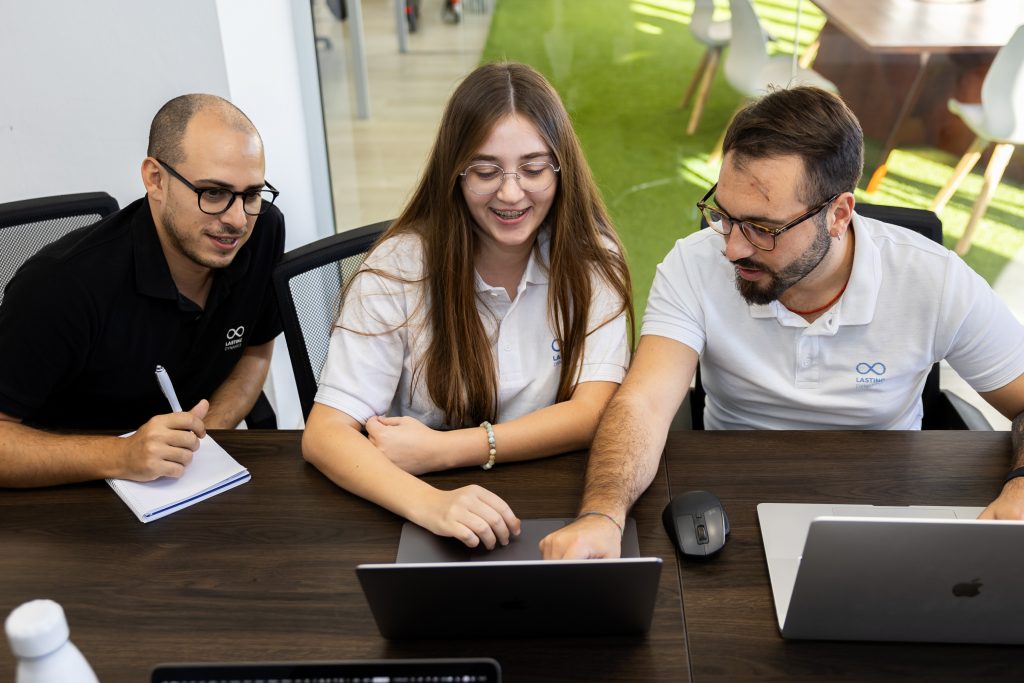
Hos Lasting Dynamics hjelper vi bedrifter med å optimalisere sin nettbaserte tilstedeværelse, slik at den blir raskere, mer brukervennlig og bedre i stand til å konvertere besøkende. VetrinaLive er et godt eksempel: en brukervennlig e-handelsplattform som er utviklet for å hjelpe butikker raskt i gang på nettet, med SEO-vennlig indeksering, enkel oppsett og funksjoner som forenkler salg og ordrehåndtering.
Coraly viser hvordan optimalisering fungerer i salgsarbeidsflyter. Coraly er utviklet for å modernisere salgspipelinene og hjelper team med å spore, organisere og effektivisere salgsprosessene sine, slik at potensielle kunder blir kunder raskere og effektiviteten forbedres gjennom hele salgstrakten.
Morgen fokuserer på oversiktlighet og produktivitet: den samler kalendere og oppgaver i én oversikt, slik at brukerne enkelt kan finne hendelser og frister. Å gjøre verktøy enklere og raskere å bruke – enten det dreier seg om en nettbutikk, et CRM-system eller en kalenderapp – betyr færre hindringer for brukerne og bedre resultater for bedriften. For å se flere eksempler på hvordan vi anvender disse prinsippene, Besøk vår kundeside.
Nettsteder blir smartere og mer personlige enn noensinne. I årene som kommer vil det bli vanlig å se nettsteder som hilser besøkende velkommen ved navn, anbefaler produkter eller tjenester basert på tidligere atferd, eller svarer på spørsmål umiddelbart med intelligente chatbots. Disse verktøyene, drevet av enkel AI og datadrevne innsikter, gjør nettopplevelsen raskere, jevnere og mer relevant for hver enkelt besøkende.
Til tross for disse teknologiske fremskrittene er de grunnleggende kravene til en god nettside fortsatt de samme. Tydelig informasjon, intuitiv navigering og et innbydende, brukervennlig design er fortsatt avgjørende. Nye funksjoner bør forbedre brukeropplevelsen, ikke gjøre den mer komplisert, slik at besøkende enkelt kan finne det de trenger, samtidig som de føler seg trygge og komfortable på nettstedet ditt.
Bedrifter som klarer å kombinere innovasjon med enkelhet, vil ligge et skritt foran konkurrentene. Ved å være åpne for ny teknologi og prøve ut smarte verktøy kan nettsteder utvikle seg i takt med brukernes forventninger. Ved å finne en balanse mellom tilpasning, kunstig intelligens og praktisk design kan bedrifter lage nettsteder som både er banebrytende og pålitelig brukervennlige.
Nettstedet ditt er et av de viktigste verktøyene bedriften din har. Det er ofte det første kontaktpunktet for potensielle kunder, og et godt vedlikeholdt nettsted viser at du bryr deg om deres opplevelse. Selv små oppdateringer, som å legge til nytt innhold, forbedre lastetiden eller modernisere designet, kan gjøre en stor forskjell for hvordan besøkende oppfatter merkevaren din.
Å investere i forbedringer av nettstedet lønner seg på flere måter. Et raskere, oversiktligere og mer attraktivt nettsted bidrar til å skape tillit, øker engasjementet og oppmuntrer til gjentatte besøk. Disse fordelene strekker seg utover brukertilfredshet; optimaliserte nettsteder kan også forbedre søkerangeringene, generere flere potensielle kunder og legge til rette for langsiktig vekst.
Ved å prioritere oppdateringer av nettstedet og satse på kontinuerlig forbedring legger bedrifter grunnlaget for vedvarende suksess. Å ta seg tid til å videreutvikle nettstedet er ikke bare en teknisk oppgave, men en smart investering i merkevaren din, målgruppen din og fremtiden din i det digitale landskapet.
Ready to make your website better? 👉 Kontakt Lasting Dynamics Les videre i dag for å få enkle og effektive tips til hvordan du kan forbedre nettstedet ditt og sikre fortsatt vekst for bedriften din i 2026.
Det er lurt å sjekke nettstedet ditt med noen måneders mellomrom. Oppdater innholdet, sjekk om det er ødelagte lenker, og oppdater bilder eller informasjon etter hvert som virksomheten din vokser.
Du kan bytte ut gamle bilder, oppdatere fargevalget, fikse ødelagte lenker, legge til et kontaktskjema eller sørge for at nettstedet ditt fungerer godt på mobiltelefoner.
De fleste bruker nå mobiltelefonen til å surfe på nettet. En mobilvennlig nettside gjør det lettere for besøkende å finne det de trenger, og bidrar til å bygge tillit til merkevaren din.
Sjekk at nettadressen starter med “https”, installer sikkerhetsoppdateringer og vis kontaktinformasjonen din tydelig. Det hjelper også å bruke pålitelige utvidelser og ta regelmessige sikkerhetskopier.
Tilgjengelige nettsteder bruker lettleste skrifttyper, god fargekontrast og tekstbeskrivelser for bilder. De er enkle å navigere for alle, også for personer med nedsatt funksjonsevne.
Forvandle dristige ideer til kraftfulle applikasjoner.
Let’s create software that makes an impact together.

Michele Cimmino
Jeg tror på hardt arbeid og daglig engasjement som den eneste måten å oppnå resultater på. Jeg føler en uforklarlig dragning mot kvalitet, og når det gjelder programvare, er det denne motivasjonen som gjør at jeg og teamet mitt har et sterkt grep om smidig praksis og kontinuerlige prosessevalueringer. Jeg har en sterk konkurranseinnstilling til alt jeg tar fatt på - på den måten at jeg ikke slutter å jobbe før jeg har nådd toppen, og når jeg først er der, begynner jeg å jobbe for å beholde posisjonen.
