

Å skape fremragende programvare
La oss bygge noe ekstraordinært sammen.
Stol på Lasting Dynamics for enestående programvarekvalitet.
Michele Cimmino
mar 12, 2026 • 10 min read

Når man i dag arbeider med Python for backend-utvikling, dukker to navn opp gang på gang: FastAPI og Django. De stammer fra ulike faser i utviklingen av webutvikling, men i 2026 blir de ofte nevnt i samme sammenheng. Team som skal velge et rammeverk, ser ikke bare på funksjonene, men også på hvordan hvert rammeverk passer inn i måten de planlegger å bygge og vedlikeholde systemet sitt på.
Django har eksistert i mange år og tilbyr en svært omfattende løsning for utvikling av nettapplikasjoner. Det gir struktur, mange ferdige verktøy og en klar fremgangsmåte for å organisere et prosjekt. FastAPI er nyere og ble utviklet med et annet tankesett, med fokus på API-er, hastighet og enkelhet når man fastlegger hvordan tjenestene skal kommunisere med hverandre.
La oss se nærmere på sammenligningen mellom de to, ikke for å avgjøre hvilken som er best i alle tilfeller, men for å forstå hvorfor begge er gode alternativer, avhengig av hvilken type prosjekt det dreier seg om.

For å forstå en del av forskjellen mellom FastAPI og Django, kan det være nyttig å se kort på standardene de bygger på. WSGI (Web Server Gateway Interface) har vært den tradisjonelle måten Python-webapplikasjoner kommuniserer med webservere på. Den følger en synkron modell, noe som betyr at hver forespørsel behandles på en mer lineær og blokkerende måte. I mange år var dette mer enn nok for de fleste webplattformer.
ASGI (Asynchronous Server Gateway Interface) er den nyeste utviklingen. Den ble utviklet for å støtte asynkron kommunikasjon, langvarige tilkoblinger og sanntidsfunksjoner som WebSockets. FastAPI ble fra starten av bygget rundt ASGI, noe som forklarer hvorfor det føles så naturlig å håndtere samtidige arbeidsbelastninger.
Django var opprinnelig basert på WSGI, selv om det nå også støtter ASGI. Likevel er deler av kjernen fortsatt synkron. Denne arkitektoniske bakgrunnen forklarer mange av de praktiske forskjellene vi ser når det gjelder ytelse og asynkron oppførsel, og den hjelper utviklere å forstå at debatten ikke bare handler om rammeverk, men også om den underliggende kommunikasjonsmodellen.
Når man utvikler et MVP, er det viktig å ta hensyn til ytelse og leveringshastighet. I den sammenhengen har Django ofte en fordel. Det innebygde autentiseringssystemet, administrasjonsgrensesnittet, ORM-en og økosystemet gjør det mulig for et lite team å lansere et funksjonelt produkt raskt uten å måtte sette sammen mange eksterne verktøy.
FastAPI kan også brukes til en MVP, spesielt hvis produktet er API-sentrert eller fra starten av er utformet som et sett med tjenester. Det gir oversiktlighet og ytelse, men utviklere kan måtte integrere tilleggskomponenter for funksjoner som Django allerede tilbyr som standard.
For oppstartsbedrifter handler beslutningen ofte om prioriteringer. Hvis målet er å teste ut en idé raskt ved hjelp av en strukturert webplattform, er Django vanligvis et praktisk valg. Hvis produktet fra første stund av dreier seg om API-er med høy ytelse eller mikrotjenester, kan FastAPI være et bedre strategisk valg. Det viktigste er å tilpasse rammeverket til produktvisjonen, ikke bare til tekniske preferanser.
I første omgang kan FastAPI og Django virke som rammeverk beregnet på ulike formål. Det ene er kjent for API-er og ytelse, det andre for komplette webplattformer. I virkelige prosjekter begynner imidlertid bruksområdene deres å overlappe hverandre mer enn forventet.
La oss bygge noe ekstraordinært sammen.
Stol på Lasting Dynamics for enestående programvarekvalitet.
En SaaS-backend, et sett med mikrotjenester eller et system som kobles til maskinlæringsmodeller kan bygges med begge tilnærmingene. Det er derfor mange utviklere nøler når de skal velge mellom dem. Begge er effektive, begge er mye brukt, og begge har sterke brukerfellesskap i ryggen.
Comparing them helps clarify not which one is “more powerful,” but which one feels more natural for the kind of system you want to build, how much structure you prefer, and how your team likes to work.
Før man sammenligner forskjellene mellom dem, er det nyttig å få en kort oversikt over hva hvert rammeverk er ment å gjøre. FastAPI er et moderne Python-rammeverk som først og fremst er utviklet for å lage API-er raskt og effektivt. Den ble populær fordi den oppleves som lett, oversiktlig og svært naturlig når man skal definere hvordan tjenester kommuniserer med hverandre. Django ble derimot utviklet som en komplett løsning for utvikling av webapplikasjoner, og tilbyr fra starten av en strukturert måte å håndtere databaser, autentisering, administrasjonspaneler og mye mer på.
FastAPI blir ofte sett på som API-spesialisten. Den fokuserer på å gjøre én ting svært godt: å opprette raske, veldefinerte endepunkter med lite ekstra kode. Bruken av Python-typehint gjør validering og dokumentasjon nærmest automatisk, noe som sparer tid og reduserer feil når man bygger tjenester som må skaleres eller kobles til andre systemer.
Django er kjent for å være et kraftfullt full-stack-verktøy. Det tilbyr mange verktøy som er klare til bruk, slik at utviklere kan bygge komplette plattformer uten å måtte sette sammen mange eksterne komponenter. Med utvidelser som Django REST Framework kan Django også håndtere API-er på en effektiv måte, noe som gjør det til et fleksibelt valg for prosjekter som trenger både et webgrensesnitt og programmatisk tilgang til data.
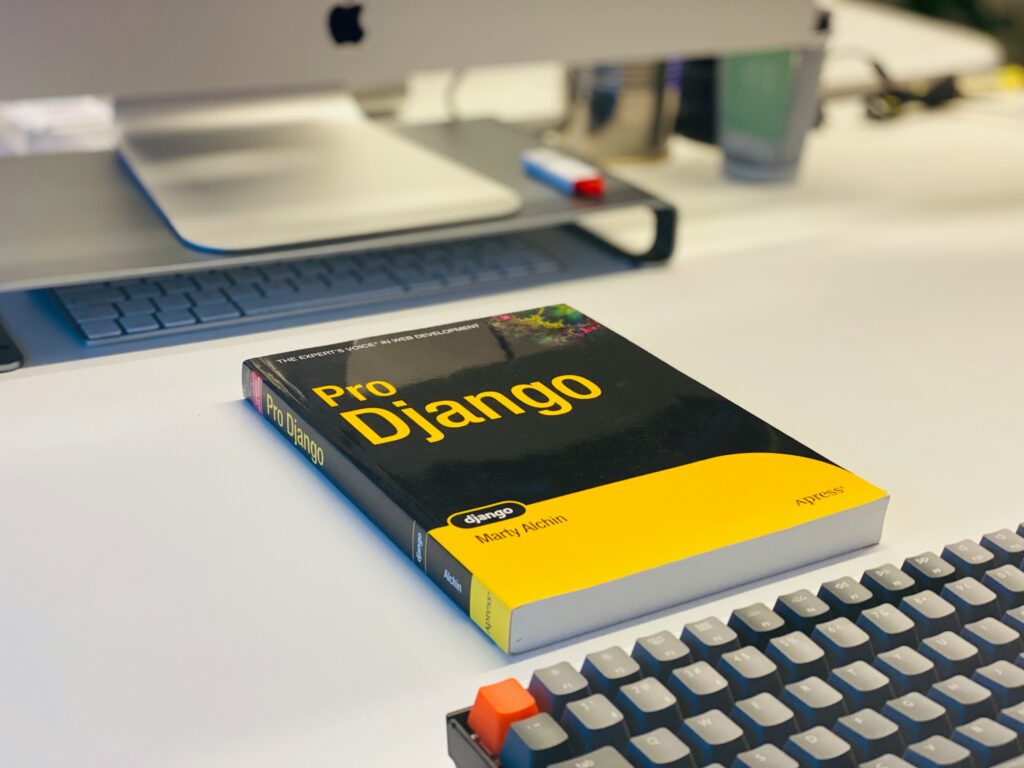
Når man snakker om ytelse, er FastAPI vanligvis det som skiller seg ut. I enkle scenarier, som å returnere JSON-svar, kan det håndtere betydelig flere forespørsler per sekund enn Django. Denne forskjellen blir merkbar i systemer som mottar et stort antall små, hyppige API-anrop, der effektiviteten i håndteringen av hver enkelt forespørsel virkelig teller.
Dette gapet er fortsatt til stede når det gjelder databasespørsmål, spesielt hvis FastAPI brukes sammen med asynkrone databasedrivere. Likevel er Djangos ytelse ofte mer enn god nok for de fleste reelle applikasjoner. Med riktige caching-strategier og skaleringsteknikker kjører mange Django-prosjekter problemfritt uten at brukerne i det hele tatt merker noen begrensninger.
I praksis betyr dette at FastAPI passer perfekt til API-er og tjenester med høy gjennomstrømning der ren hastighet er en prioritet, mens Django fortsatt er et fullt ut gyldig valg for plattformer der ytelse er viktig, men ikke den eneste avgjørende faktoren.
Asynkron programmering er et av de områdene hvor FastAPI virkelig kommer til sin rett. Det ble fra starten av utviklet for å fungere naturlig med `async` og `await`, noe som gjør det svært godt egnet for sanntidsfunksjoner, WebSockets eller tjenester som er avhengige av eksterne API-er og må vente på svar uten å blokkere andre forespørsler.
Fra idé til lansering lager vi skalerbar programvare som er skreddersydd til dine forretningsbehov.
Samarbeid med oss for å akselerere veksten din.
Django har gradvis innarbeidet asynkrone funksjoner, og de nyeste versjonene støtter asynkrone visninger og mellomvare. Imidlertid fungerer deler av kjernen, som ORM-en, fortsatt synkront. Utviklere kan tilpasse disse ved hjelp av wrappere, men dette medfører ekstra trinn som ikke alltid er nødvendige i FastAPI.
For prosjekter der det forventes store asynkrone arbeidsbelastninger, gir FastAPI vanligvis en jevnere og mer direkte opplevelse. Django kan håndtere dette, men det krever ofte større omhu når det gjelder implementeringen.
En av FastAPIs styrker er hvor naturlig det føles å skrive og lese koden. Ved å benytte seg av Python-typehint kan det automatisk validere forespørsler, formatere svar og generere dokumentasjon med svært lite ekstra arbeid. Dette reduserer små feil og gjør at utviklingsprosessen føles ryddig og forutsigbar.
Django, derimot, utmerker seg takket være sitt økosystem. Administrasjonspanelet, autentiseringssystemet og ORM-en gjør det mulig for utviklere å bygge komplekse plattformer raskt uten å måtte utvikle vanlige komponenter på nytt. Selv om det kan kreve mer forberedelser å lage API-er, gjør verktøy som Django REST Framework prosessen mye enklere.
Til syvende og sist avhenger opplevelsen av hva du bygger. FastAPI oppleves ofte som mer lettvint og direkte for tjenester, mens Django gir inntrykk av å være strukturert og omfattende når man skal bygge komplette plattformer.

Valget mellom FastAPI og Django blir ofte tydeligere når man ser på hvilken type system man utvikler. FastAPI egner seg vanligvis godt til API-er med høy ytelse, sanntidsapplikasjoner, distribusjon av maskinlæringsmodeller og mikrotjenester som i stor grad er avhengige av asynkron kommunikasjon. I slike sammenhenger blir enkelheten og hastigheten svært tydelig.
Django egner seg ofte bedre for komplette webplattformer der det er behov for mange komponenter helt fra starten av. Prosjekter som krever et administrasjonsgrensesnitt, strukturert brukeradministrasjon eller et klart grunnlag for et SaaS-produkt, drar nytte av Djangos innebygde verktøy og strukturerte tilnærming. Det gjør at teamene kan komme i gang uten å måtte sette sammen for mange eksterne komponenter.
For team som er relativt nye innen Python-webutvikling, oppleves Django ofte som enklere å ta i bruk, fordi så mange valg allerede er tatt for dem. FastAPI er riktignok greit å bruke, men passer vanligvis bedre for team som allerede har forståelse for hvordan API-er, asynkrone arbeidsflyter og tjenestearkitekturer fungerer.
FastAPI’s main limitation is that it focuses almost entirely on APIs. Som standard inneholder den ikke funksjoner som ORM eller et administrasjonsgrensesnitt, så utviklere må ofte benytte seg av tredjepartsbiblioteker for å fullføre teknologistakken. For team som ikke er kjent med asynkron programmering, kan dette medføre en innledende læringskurve.
Vi designer og bygger digitale produkter av høy kvalitet som skiller seg ut.
Pålitelighet, ytelse og innovasjon i alle ledd.
Djangos begrensninger kommer til syne i ulike situasjoner. Når man utvikler API-er med svært høy gjennomstrømning, er det ikke sikkert at det er like raskt som FastAPI. Støtten for asynkron drift er blitt bedre, men deler av kjernen følger fortsatt en synkron modell, noe som kan øke kompleksiteten i visse arkitekturer.
Et annet poeng er at det å lage API-er i Django ofte krever mer forberedelser og ekstra verktøy. Selv om dette ikke nødvendigvis er et problem, kan det oppleves som mer omstendelig sammenlignet med den mer direkte tilnærmingen som FastAPI tilbyr for tjenesteorientert utvikling.
FastAPI gir en klar fordel når hastighet, lav ventetid og skalerbarhet er prioritert. Det gjør det mulig for team å utvikle API-er raskt, sikre effektive svar og utforme systemer som kan håndtere mange samtidige forespørsler uten store ressursbelastninger. Dette gjør det svært attraktivt for moderne arbeidsbelastninger som er avhengige av kontinuerlig datautveksling mellom tjenester.
Django gir merverdi på en annen måte. De innebygde funksjonene, fra autentisering til administrasjonspanelet, gjør det mulig å utvikle komplette applikasjoner raskt. Det har også vist seg over tid at det kan skaleres for å støtte store plattformer med kompleks logikk og brukeradministrasjon.
Fra et forretningsmessig perspektiv avhenger valget ofte av om man bygger et tjenestesentrert backend-system eller en fullverdig applikasjonsplattform. Begge rammeverkene kan håndtere krevende produksjonssystemer, men de gjør det ved å legge vekt på ulike styrker.

I virkelige prosjekter blir forskjellen mellom FastAPI og Django tydelig, ikke i teorien, men i det daglige utviklingsarbeidet. Team som jobber med API-tunge systemer merker ofte hvor naturlig FastAPI passer inn når det meste av arbeidet dreier seg om å definere endepunkter, validere data og sørge for at svarene er raske og konsistente. Rammeverket trekker seg nesten helt tilbake i bakgrunnen, slik at utviklerne kan fokusere på selve tjenesten.
På den annen side, når et prosjekt fra starten av krever dashbord, brukerroller, administrasjonspaneler og strukturert datahåndtering, merkes Djangos tilstedeværelse veldig positivt. Mange vanlige problemer er allerede løst, noe som gjør at teamet kan bruke mer tid på forretningslogikk i stedet for på infrastrukturbeslutninger.
Over tid påvirker disse forskjellene hvordan en kodebase utvikler seg. FastAPI-prosjekter har en tendens til å forbli svært tjenesteorienterte og modulære, mens Django-prosjekter ofte utvikler seg til velstrukturerte plattformer der mange deler av systemet er tett integrert.
Når systemene blir mer komplekse, handler ikke valget alltid om å velge bare ett rammeverk. Noen arkitekturer har fordel av å bruke Django der det er behov for struktur og innebygde verktøy, og FastAPI der hastighet og lette tjenester er mer hensiktsmessig. Dette handler ikke om å blande teknologier bare for blandingens skyld, men om å la hvert verktøy ta seg av det det er best på.
I slike tilfeller kan Django ta seg av brukerhåndtering, administrasjon og kjerneapplikasjonen, mens FastAPI kan drive spesifikke tjenester som krever høy ytelse eller asynkron drift. Resultatet blir et system der ansvarsområdene er tydelig adskilt, uten at ett rammeverk må gjøre alt.
Looking at the problem, this way changes the conversation from “which one is better” to “where does each one fit as the best”. That perspective is often more useful when designing systems meant to grow and adapt over time.
Før vi trekker forhastede konklusjoner, la oss se nærmere på en sammenligningstabell for å vurdere verdien av hvert rammeverk.
| Dimensjon | FastAPI | Django |
| Hovedfokus | API-fokusert rammeverk | Komplett rammeverk for webapplikasjoner |
| Arkitektur | ASGI-integrert | Opprinnelig WSGI, nå ASGI-kompatibel |
| Ytelse | Svært høy gjennomstrømning | Stabil og tilstrekkelig for de fleste apper |
| Støtte for asynkron behandling | Innfødt og sentralt | Delvis, under utvikling |
| Innebygde funksjoner | Minimalistisk design | Omfattende (ORM, administrasjon, autentisering) |
| Læringskurve | Enkelt for API-fokuserte team | Enklere for vanlige webteam |
| Best egnet for | Mikrotjenester, ML-API-er | SaaS, plattformer med mye administrasjonsarbeid |
| Egnethet som MVP | Egnet for API-produkter | Perfekt for hele plattformer |
Valget mellom FastAPI og Django er svært viktig for prosjektets fremtid. Det avhenger av hva systemet ditt skal gjøre, hvordan det forventes å vokse, og hvordan teamet ditt foretrekker å jobbe. FastAPI føles ofte som det riktige valget når ytelse, API-er og asynkrone arbeidsbelastninger står i sentrum. Django er ofte et naturlig valg når målet er å bygge en komplett webplattform der mange komponenter allerede er på plass.
Noen systemer har fordel av å bruke Django til kjernen i applikasjonen og FastAPI til spesifikke tjenester som krever hastighet og fleksibilitet. Å tenke i form av roller fremfor preferanser fører vanligvis til en mer balansert arkitektur.
Hos Lasting Dynamics jobber vi med begge rammeverkene i reelle produksjonsmiljøer, ved å velge den løsningen som passer best til problemet, i stedet for å tvinge frem én bestemt tilnærming. Uansett om behovet er en strukturert full-stack-plattform eller et lettvekts-API-lag med høy ytelse, ligger fokuset alltid på å bygge systemer som forblir oversiktlige, skalerbare og enkle å vedlikeholde over tid.
Ready to build your next project with the best Python frameworks? 👉 Kontakt Lasting Dynamics today for expert guidance and development services. Let’s discuss your project right now.
Nei. FastAPI og Django ble utviklet med ulike mål for øye. FastAPI er rettet mot å bygge API-er på en effektiv måte, mens Django er utviklet for å støtte komplette webapplikasjoner. De løser ulike problemer, og begge er fortsatt svært relevante.
I svært enkle API-scenarier med høy gjennomstrømning har FastAPI vanligvis en fordel. Men med riktige strategier for optimalisering, caching og skalering kan Django håndtere et stort antall forespørsler per sekund og yte godt i de fleste praktiske applikasjoner.
For mange MVP-er er Django ofte mer praktisk, siden det fra starten av inkluderer autentisering, administrasjonsverktøy og databasestyring. FastAPI kommer spesielt godt til nytte når MVP-en er sterkt avhengig av ytelseskritiske API-er eller tjenestebasert arkitektur.
Det er teknisk sett mulig, men ikke alltid den mest praktiske løsningen. FastAPI fungerer vanligvis mer naturlig sammen med asynkrone databaseverktøy som SQLAlchemy, som passer bedre til plattformens utforming.
Django er ofte enklere for team som er nye innen Python-webutvikling, fordi det gir en klar struktur og mange innebygde funksjoner. FastAPI er også enkelt å bruke, men det føles mer naturlig for team som allerede er kjent med API-er og asynkrone mønstre.
Forvandle dristige ideer til kraftfulle applikasjoner.
Let’s create software that makes an impact together.

Michele Cimmino
Jeg tror på hardt arbeid og daglig engasjement som den eneste måten å oppnå resultater på. Jeg føler en uforklarlig dragning mot kvalitet, og når det gjelder programvare, er det denne motivasjonen som gjør at jeg og teamet mitt har et sterkt grep om smidig praksis og kontinuerlige prosessevalueringer. Jeg har en sterk konkurranseinnstilling til alt jeg tar fatt på - på den måten at jeg ikke slutter å jobbe før jeg har nådd toppen, og når jeg først er der, begynner jeg å jobbe for å beholde posisjonen.
