

Å skape fremragende programvare
La oss bygge noe ekstraordinært sammen.
Stol på Lasting Dynamics for enestående programvarekvalitet.
Luis Lambert
jan 08, 2026 • 10 min read
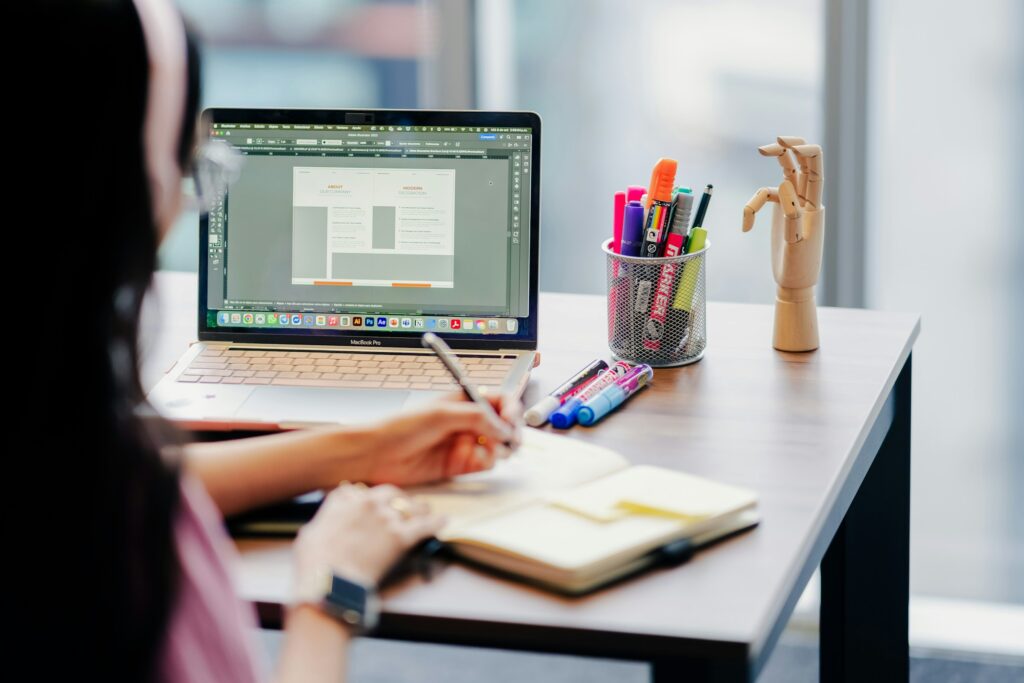
In today’s rapidly evolving business landscape, building a design is more than just creating something that looks good, it’s about crafting experiences that drive results and set organizations apart. With digital transformation accelerating across industries, investing in thoughtful, effective design can make the difference between a thriving business and one that falls behind. Design is now a strategic asset, influencing everything from customer engagement to brand loyalty. For companies aiming to innovate and grow, mastering the art and science of building a design is essential.
A successful design requires a deep understanding of both the user and the business. It’s not enough to focus on aesthetics; every element should serve a purpose and solve a real problem. By combining creativity with research-driven insights, companies can create solutions that are intuitive, engaging, and impactful. In 2025 and the upcoming 2026, organizations that adopt this approach are better positioned to anticipate customer needs and create meaningful experiences that resonate over time.
Not only the functionality, design is also a driver of innovation and long-term growth. It empowers teams to explore new ideas, differentiate products in competitive markets, and strengthen brand identity. At Lasting Dynamics, we see design as a strategic tool that connects vision with execution, turning complex challenges into clear, effective solutions. In the modern business world, the organizations that treat design as a core element of their strategy are the ones most likely to thrive and lead.
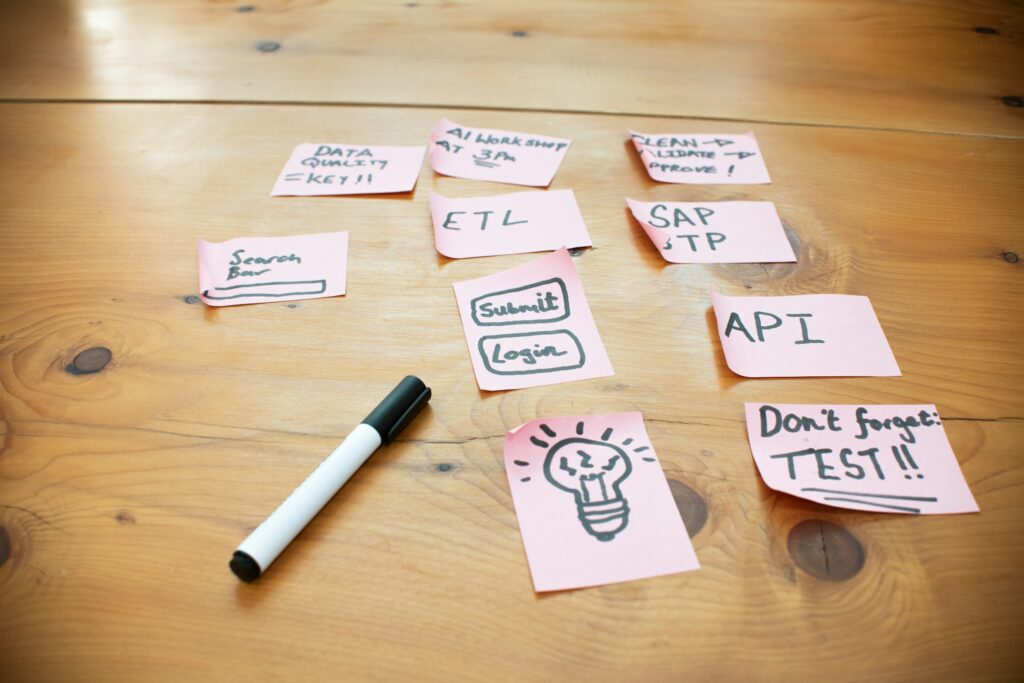
Building a design that works, inspires, and lasts. Photo by Jack Roberts on Unsplash: https://unsplash.com/photos/sticky-notes-with-words-and-drawings-on-wooden-table-gLxNxONfRz0
Design is a multifaceted discipline that goes far beyond traditional graphic or visual creation. At its core, it includes a variety of specializations, each serving unique purposes within organizations. Graphic design is often the most recognized, focusing on visual elements such as logos, marketing materials, and branding. Industrial design brings creativity into the physical world, shaping products from electronics to furniture. Meanwhile, service design and user experience (UX) design focus on crafting workflows and customer journeys that deliver seamless, positive interactions.
As digital transformation accelerates, new forms of design are gaining importance. Digital product design combines visual artistry with technical expertise to create apps, websites, and software platforms that are both appealing and highly functional. Interaction design zeroes in on how users engage with technology, ensuring intuitive navigation and accessibility. Each type of design goes beyond aesthetics, it plays a critical role in achieving business objectives, from boosting user retention to streamlining operations.
Understanding these types of design helps organizations choose the approaches that best align with their goals. For instance, a fintech startup may prioritize UX and digital product design to build trust and usability, while a manufacturing company might focus on industrial design to optimize both form and function. As we continue through this guide, the focus will shift to building designs that are digital, user-centered, and strategically aligned with business outcomes, key ingredients for lasting success.
Building a design starts with a clear understanding of its purpose and the problems it aims to solve. Before sketches are drawn or prototypes built, businesses must define objectives, target audiences, and the challenges their design addresses. This foundational step ensures that every decision serves a strategic purpose, aligning creativity with measurable value. A strong foundation reduces the risk of misalignment between the final product and the intended user experience.
Research and discovery are essential in this stage. By analyzing market trends, studying competitors, and gathering feedback from potential users, organizations can spot opportunities and potential pitfalls early. This research informs a design brief that clearly outlines the project’s scope, requirements, and success metrics, serving as a guiding framework for the entire process.
Collaboration is another cornerstone of strong design foundations. Successful projects rarely happen in isolation, they rely on input from diverse stakeholders, including business leaders, developers, marketers, and end-users. With open communication and iterative feedback, organizations create robust, innovative solutions that can adapt to evolving needs. At Lasting Dynamics, this collaborative approach is central to delivering designs that truly make an impact.
La oss bygge noe ekstraordinært sammen.
Stol på Lasting Dynamics for enestående programvarekvalitet.
Building a design involves a deliberate sequence of steps that transform ideas into impactful solutions. The process begins with ideation, where brainstorming and creative exploration generate a broad range of concepts. No idea is too bold, divergent thinking uncovers hidden opportunities and challenges assumptions. Structured workshops and design sprints can accelerate this phase, producing a diverse set of potential directions.
Next comes prototyping and testing. Initial concepts are translated into wireframes, mockups, or interactive models that stakeholders and users can evaluate. This step allows teams to refine solutions quickly, spotting usability issues and areas for improvement before significant resources are invested. Iterative testing ensures the final design is both practical and user-friendly.
Finally, implementation and continuous improvement bring the design into the real world. Post-launch, ongoing monitoring and user feedback become critical. Tracking performance metrics and conducting reviews allows teams to increase functionality, accessibility, and aesthetics. This continuous feedback loop keeps designs relevant, effective, and capable of evolving alongside business and user needs.
Despite its many rewards, building a design comes with challenges that can slow progress if not managed proactively. One of the most common issues is scope creep, when project requirements expand beyond the initial plan. This can lead to delays, budget overruns, and diluted focus. Without clear boundaries and disciplined project management, even the most promising design projects can lose direction and produce suboptimal results.
Misalignment between stakeholders is another frequent challenge. When business leaders, designers, and developers have differing visions or priorities, confusion and friction can arise. Regular check-ins and effective communication are essential to keep everyone on the same page. Gathering and interpreting user feedback also requires care, especially when opinions conflict or are unclear. Balancing diverse perspectives while maintaining a coherent design direction demands both skill and diplomacy.
Resource constraints, whether time, budget, or talent, pose additional hurdles. Smaller teams may struggle to meet the demands of rapid prototyping and testing, while larger organizations might face bureaucratic slowdowns that stifle innovation. Identifying these pain points early and applying strategies to mitigate them helps save time, reduce stress, and achieve more successful design outcomes.
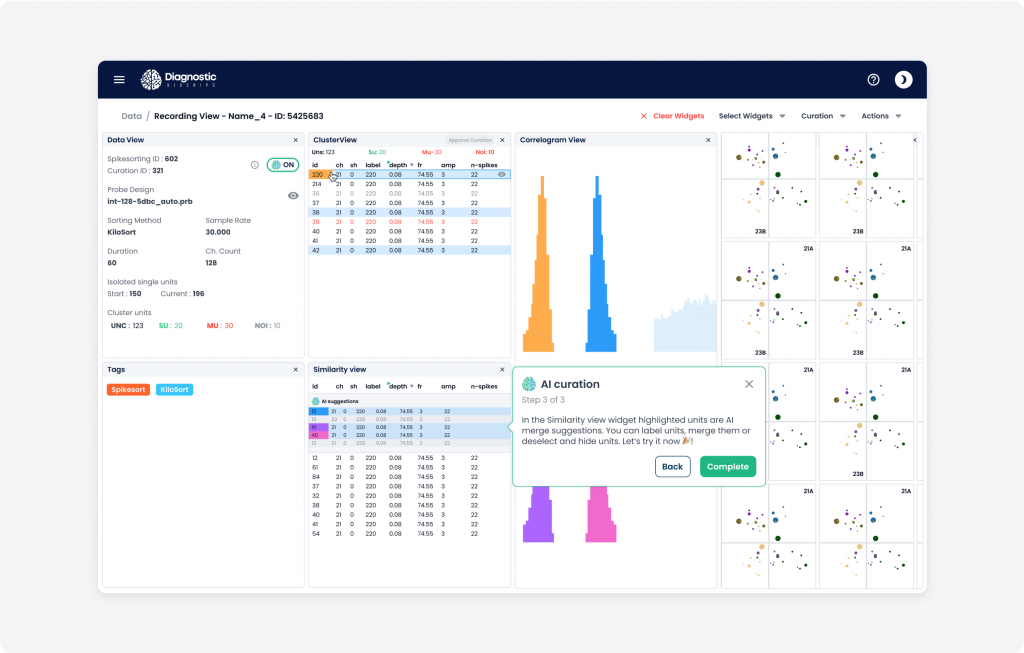
Investing in design that is both functional and visually appealing brings substantial benefits to organizations of all sizes. A well-executed design strengthens brand identity, making it easier for customers to recognize and trust your products or services. Consistent, professional design also increase perceived value, helping companies stand out in competitive markets and command higher prices. For startups and established enterprises alike, design is a key differentiator that drives competitive advantage.
More than aesthetics, effective design directly impacts customer satisfaction and loyalty. User-centric solutions simplify workflows, reduce friction, and create positive experiences that keep customers engaged. When users find interactions, whether through a website, app, or physical product, easy and enjoyable, they are more likely to return and recommend your business to others. This cycle of satisfaction and advocacy is vital for sustainable growth.
Well-built design also improves operational efficiency. Clear, intuitive interfaces reduce training time, minimize errors, and empower teams to work more productively. By aligning design with business processes and goals, organizations optimize resources and accelerate time-to-market for new offerings. At Lasting Dynamics, we’ve seen firsthand how thoughtful design can unlock measurable value across an entire organization.
Fra idé til lansering lager vi skalerbar programvare som er skreddersydd til dine forretningsbehov.
Samarbeid med oss for å akselerere veksten din.
Selecting the right technology stack and tools is a pivotal step in building a design that is scalable, secure, and future-proof. The choice depends on project requirements, team expertise, and long-term objectives. For digital products, modern frameworks like React, Vue.js, and Angular provide strong foundations for creating responsive, interactive interfaces, while backend technologies such as Node.js, Python, or Ruby on Rails enable seamless integration and data management.
Collaboration platforms and design-specific tools are equally essential. Figma, Sketch, and Adobe XD support real-time collaboration and rapid prototyping, making it easier for teams to iterate quickly. Project management tools like Jira, Trello, and Asana keep workflows organized and priorities clear.
Automation and version control systems, including Git and CI/CD pipelines, streamline development processes and ensure consistency across stages, allowing teams to focus on building high-quality designs efficiently.
Selecting the right combination of tools not only accelerates the design process but also ensures that the final output is robust, adaptable, and aligned with your business goals.
User feedback is the cornerstone of building a design that genuinely meets the needs of its intended audience. Successful organizations make feedback collection an ongoing process, not a one-time event. By incorporating user insights early and often, teams can validate assumptions, uncover hidden issues, and prioritize improvements that deliver real value. This user-centered approach transforms design from a static deliverable into a dynamic, evolving solution.
There are many ways to gather feedback, including surveys, interviews, usability tests, and analytics. Each method provides a unique perspective on how users interact with your product or service. Combining qualitative and quantitative data gives a holistic view of user needs, preferences, and pain points. Importantly, feedback should be shared transparently across the team, fostering a culture of continuous improvement.
By embedding user feedback into every stage of the design process, organizations can build solutions that are not only effective but also deeply resonant with their audience.
Building a design that is accessible and inclusive is not just a moral obligation, it’s essential for reaching a wider audience. As digital products and services engage increasingly diverse users, ensuring everyone can interact with your offerings is critical. Accessibility involves designing for users with varying abilities, including visual, auditory, or mobility impairments, while inclusivity considers factors like cultural background, language, and age.
Meeting accessibility standards, such as the Web Content Accessibility Guidelines (WCAG), not only helps organizations avoid legal risks but also expands potential reach. Practical measures include high-contrast color schemes, alternative text for images, and keyboard-friendly navigation. Testing products with assistive technologies, like screen readers, ensures usability for all users.
Inclusive design recognizes diversity as a strength. Involving a broad range of users during research and testing uncovers biases and improves effectiveness. By designing with everyone in mind, products become more welcoming, user-friendly, and capable of serving a global audience.
At Lasting Dynamics, building a design means blending strategy, technology, and user empathy to create solutions that solve real problems and scale effectively. Coraly exemplifies this approach: their proptech platform leverages AI to automate real-estate marketing, generating descriptions, virtual staging, 3D floor plans, and media, showing how digital product design, data automation, and seamless UX can accelerate conversions and reduce manual work.
Vi designer og bygger digitale produkter av høy kvalitet som skiller seg ut.
Pålitelighet, ytelse og innovasjon i alle ledd.
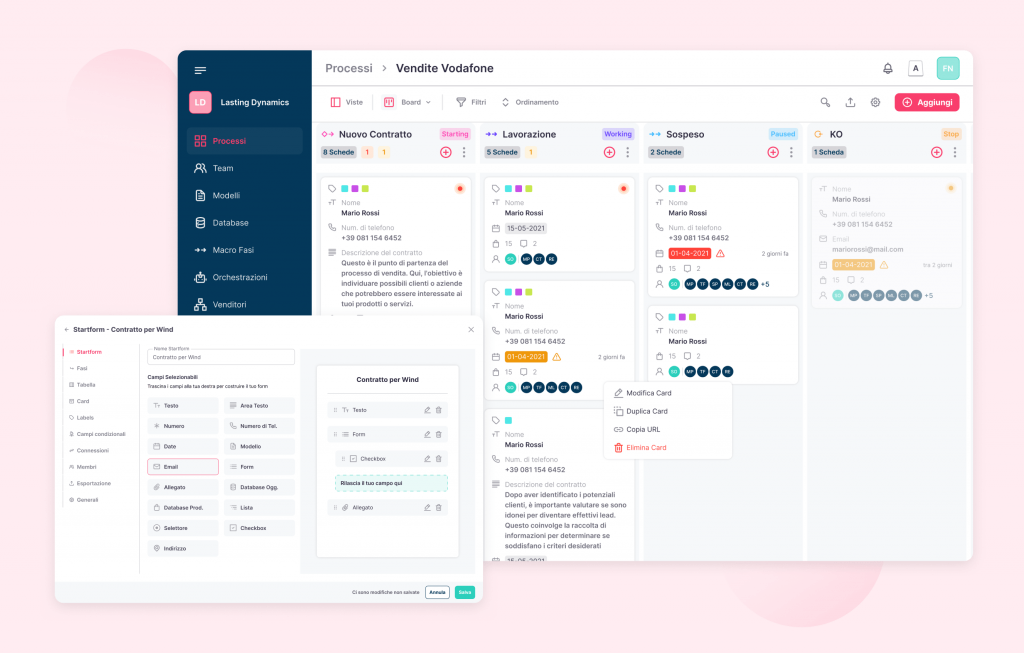
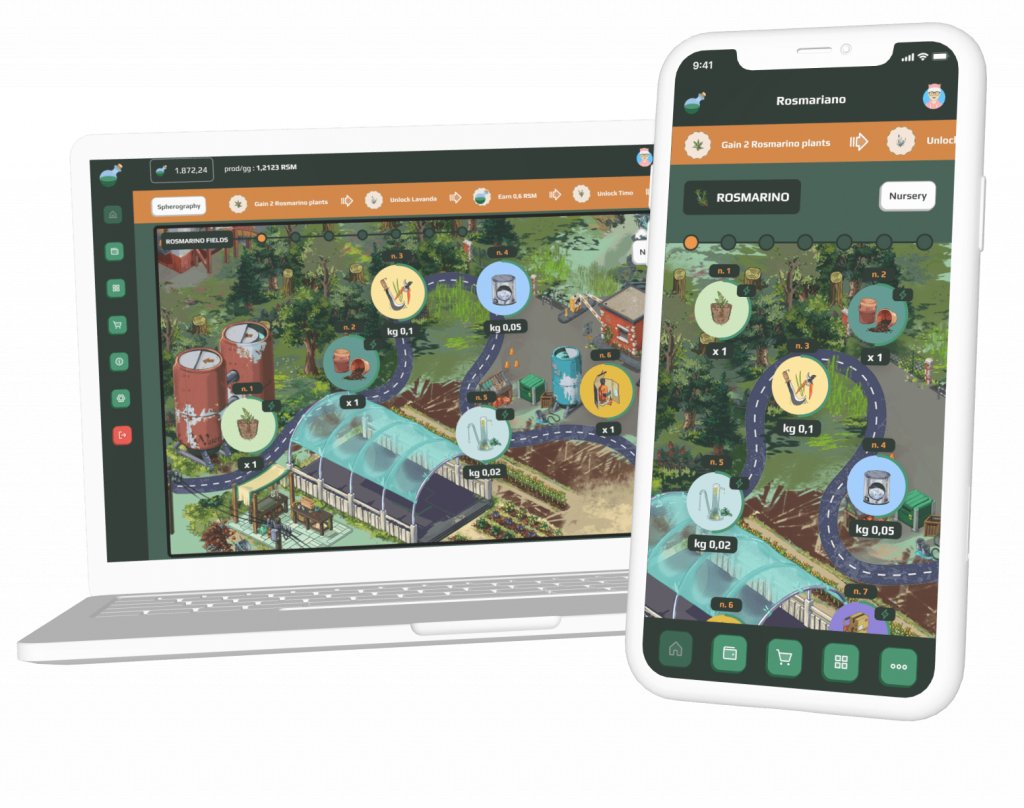
Rosmariano og Diagnostiske biochips highlight how design adapts across domains. Rosmariano, a sustainability-focused play-to-earn project, combined gaming mechanics, token flows, and real-world impact through recycling and 3D-printed materials, demonstrating how design can link digital and physical experiences. Diagnostic Biochips, in turn, developed neural probes and a cloud platform for electrophysiology, requiring both industrial design for hardware and careful UX for complex scientific data, illustrating that hardware plus SaaS projects need ergonomic, data-driven solutions.
These examples reinforce a simple truth: great design starts with understanding the user and the problem. At Lasting Dynamics, we apply this principle across all projects, from automated digital workflows to sustainable games and scientific instruments, ensuring our designs are practical, scalable, and impactful. Explore our Clients section to see these projects and many more examples of how we turn design into real-world results.
Design is constantly evolving, shaped by emerging technologies, shifting user expectations, and global trends. Future-proofing your design means staying ahead, anticipating market changes and integrating the latest best practices. In 2025, major trends include AI-driven personalized experiences, increased focus on sustainability, and heightened attention to data privacy.
AI-powered design tools are changing how teams ideate, prototype, and test concepts. These tools can analyze user data to suggest improvements, predict behaviors, and automate routine tasks, allowing designers to focus on creativity and strategy. Sustainability also plays a growing role, influencing everything from eco-friendly materials in physical products to energy-efficient code in digital solutions.
Privacy by design has become a core expectation. Integrating robust security features and transparent data practices builds user trust and protects brand reputation. Organizations that embrace these innovations position themselves to adapt, grow, and lead in an increasingly competitive landscape.
Building a design is a journey that requires vision, strategy, and an unwavering focus on the user. Success begins by understanding the foundations, exploring different design disciplines, and applying the right tools and processes. Every decision should serve a purpose, ensuring that creativity is aligned with business goals and user needs. Collaboration and iterative feedback throughout the process are essential to refine ideas and create solutions that truly resonate.
Inclusive and user-centered design is no longer optional, it’s a requirement for reaching diverse audiences and delivering meaningful experiences. By designing with accessibility, cultural differences, and user behavior in mind, organizations create products that are welcoming and effective for everyone. This approach not only strengthens engagement and loyalty but also drives long-term growth and brand trust.
Looking ahead, businesses that prioritize thoughtful, strategic design will stand out in increasingly competitive markets. Well-built designs can transform ideas into impactful experiences, foster loyalty, and deliver measurable value at every level. By embracing best practices, staying informed on emerging trends, and committing to continuous improvement, organizations can turn bold ideas into reality and make a lasting impression on their audience.
Ready to transform your ideas into impactful, business-ready designs? 👉 Kontakt Lasting Dynamics today and discover how our expert team can help you build designs that drive lasting success in 2025 and beyond!
Building a design refers to the process of crafting visual, digital, or physical solutions that solve business problems and create value for users and stakeholders.
A strong design drives customer engagement, differentiates brands, and supports digital transformation, making it a strategic priority for growth and innovation.
Businesses should consider graphic, industrial, UX, digital product, and service design, selecting those that align best with their goals and target audience.
Companies should integrate user feedback throughout the design process, use prototyping tools, and involve diverse stakeholders to create relevant, effective solutions.
Modern tools and frameworks streamline collaboration, prototyping, and testing, ensuring that designs are scalable, secure, and ready for future challenges.
Forvandle dristige ideer til kraftfulle applikasjoner.
La oss skape programvare som gjør en forskjell sammen.

Luis Lambert
Jeg er multimediedesigner, tekstforfatter og markedsføringsekspert. Jeg søker aktivt etter nye utfordringer for å utfordre ferdighetene mine og vokse profesjonelt.
