

Å skape fremragende programvare
La oss bygge noe ekstraordinært sammen.
Stol på Lasting Dynamics for enestående programvarekvalitet.
Luis Lambert
12. januar 2026 - 12 min å lese

Gamification i apputvikling er i ferd med å forandre hvordan vi samhandler med teknologi i 2026. Etter hvert som brukerne forventer mer engasjerende og givende digitale opplevelser, tar bedrifter i bruk spillbaserte funksjoner, poeng, nivåer og utfordringer for å øke brukeropplevelsen og tilfredsheten. Dette skiftet handler ikke bare om moro, men om å skape dypere forbindelser som får brukerne til å komme tilbake, enten det dreier seg om å administrere økonomi, lære nye ferdigheter eller følge opp treningsmål.
Hva gjør er at gamification er så kraftfullt fordi det utnytter menneskelig motivasjon. Vi liker alle å føle fremgang, anerkjennelse og prestasjoner, og når apper gir oss disse følelsene på en tydelig og givende måte, er det mer sannsynlig at brukerne fortsetter å engasjere seg. Det er grunnen til at så ulike bransjer som bank, helsevesen og utdanning vever inn spillbaserte opplevelser i sine digitale produkter. Resultatet er ikke bare høyere lojalitetsgrad, men også mer meningsfulle brukerreiser som føles personlige og minneverdige.
Med fremveksten av kunstig intelligens og den pågående bølgen av digital transformasjon er gamification ikke lenger et "nice-to-have", det er en strategisk fordel. Smarte apper er nå i stand til å skreddersy utfordringer, belønninger og læringsstier i sanntid, noe som skaper unike opplevelser for hver enkelt bruker. For merkevarer som ønsker å skille seg ut og bygge lojale fellesskap, har gamification blitt en viktig ingrediens. I dagens konkurranseutsatte digitale landskap er det de appene som ikke bare tjener en funksjon, men som også inspirerer folk til å fortsette å spille, lære og utvikle seg, som vinner.
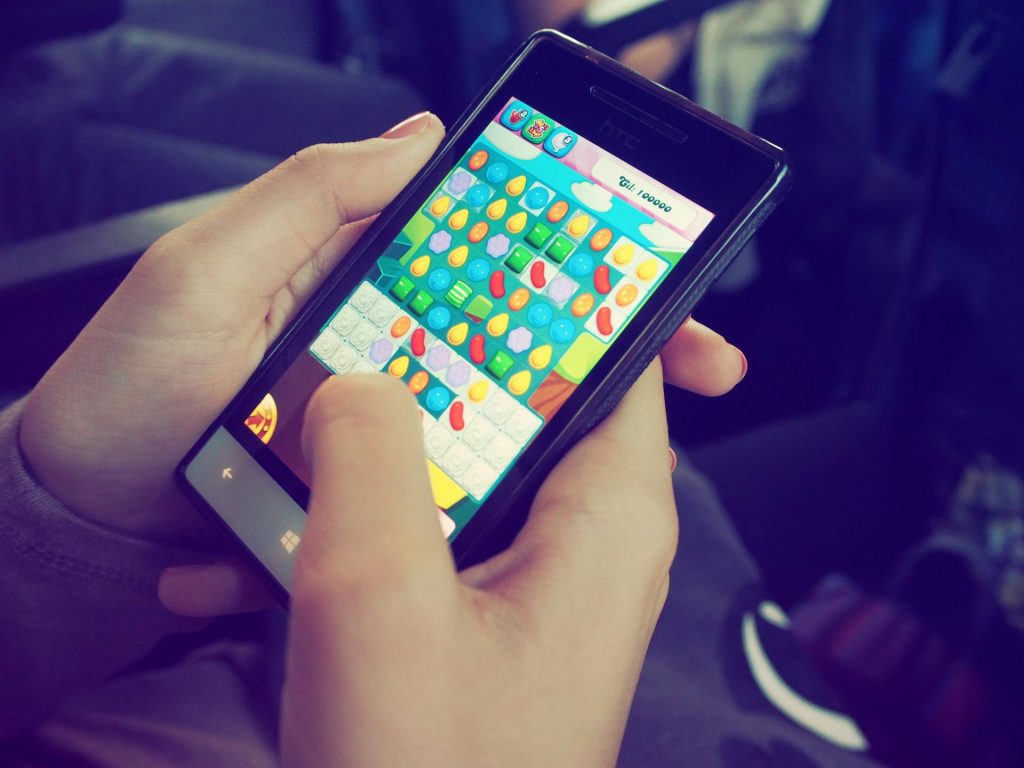
Gamification endrer fremtiden for apputvikling. Foto av Beata Dudová på Pexels: https://www.pexels.com/photo/person-playing-candy-crush-on-nokia-smartphone-228963/
Oppstarten av mobilapplikasjoner går tilbake til begynnelsen av 2000-tallet. På 2010-tallet eksploderte populariteten til mobilapper. De første appene fokuserte på bekvemmelighet og grunnleggende funksjonalitet: å bestille skyss, sjekke været eller holde oversikt over utgifter. Disse appene løste problemer raskt og effektivt, men opplevelsen endte ofte der: Brukerne kom, utførte en oppgave og dro igjen.
Etter hvert som konkurransen økte, innså imidlertid de mest vellykkede appene at funksjonalitet alene ikke var nok. For å skille seg ut måtte de skape dypere forbindelser og grunner til at brukerne skulle komme tilbake. Fokuset ble flyttet fra ren nytteverdi til engasjement, og det ble utviklet apper som ikke bare fungerte godt, men som også underholdt, utdannet og skapte emosjonelle bånd til publikum.
Det var her gamification begynte å briljere. Ved å introdusere utfordringer, belønninger og lekne mekanismer oppmuntret apper til vaner som gikk utover enkel bruk. I dagens landskap er ikke lenger nedlastinger det viktigste målet, og den sanne verdien kommer fra oppbevaring, lojalitet og evnen til å gjøre hverdagslige interaksjoner om til meningsfulle, engasjerende opplevelser.
Gamification utnytter grunnleggende menneskelig psykologi. Mennesker motiveres naturlig av fremgang, konkurranse og belønning. Fra de tidligste lojalitetskortene til ledertavler i spillehaller har selv små insentiver alltid påvirket atferd, noe som viser at anerkjennelse og prestasjoner er universelle drivkrefter.
De samme prinsippene kan brukes i apputvikling for å skape sterke digitale opplevelser. En enkel strekkteller, et merke for konsekvent innsats eller en ledertavle som deles med venner, kan forvandle vanlige oppgaver til motiverende milepæler. Disse mekanismene utløser vårt naturlige ønske om å forbedre oss, sammenligne oss og feire små seire underveis.
Det er derfor gamification har blitt så effektivt på tvers av bransjer. Enten du tjener poeng for å fullføre leksjoner i en utdanningsapp, låser opp nye funksjoner i en bankplattform eller samler digitale trofeer i en treningsmåler, forvandler gamification rutinemessige handlinger til noe mer engasjerende. Det holder ikke bare brukerne motiverte, det får dem også til å glede seg til å komme tilbake.
La oss bygge noe ekstraordinært sammen.
Stol på Lasting Dynamics for enestående programvarekvalitet.
Moderne brukere forventer mer enn nytteverdi, de vil ha apper som er morsomme, givende og meningsfylte. I et overfylt marked har gamification blitt det naturlige neste skrittet fordi det blander moro med funksjon, slik at hverdagslige interaksjoner føles mindre som plikter og mer som opplevelser. For bedrifter betyr dette skiftet at de blir flinkere til å holde på kundene sine, får flere henvisninger gjennom sosial deling og verdifull innsikt i brukeratferd.
Effekten spenner på tvers av bransjer. Læringsapper bruker poeng, nivåer og fremdriftssporing for å hjelpe brukerne med å mestre nye ferdigheter raskere og holde motivasjonen oppe underveis. I bankvesenet, spillfunksjoner kan oppmuntre til sunne sparevaner, finansiell forståelse eller investeringsopplæring på måter som føles overkommelige i stedet for overveldende. Trenings-, velvære- og livsstilsapper bruker også utfordringer og milepæler for å skape daglige rutiner som fester seg.
Det som gjør gamification så effektivt, er at det gir verdi for begge parter: Brukerne føler seg engasjert og støttet, mens merkevarer oppnår lojalitet og langsiktig interaksjon. Det handler ikke bare om å skape moro, men om å designe apper som gjør vanlige oppgaver til givende reiser, og som skaper vaner som varer lenger enn nedlastingen.
Digital transformasjon handler om mer enn å flytte tjenester ut på nettet, det handler om å tenke nytt om hvordan bedrifter skaper verdi og får kontakt med publikum. I denne sammenhengen har gamification blitt en viktig brikke i puslespillet, som gjør det mulig for bedrifter å utforme digitale opplevelser som føles interaktive, menneskelige og genuint engasjerende. Ved å gjøre hverdagslige interaksjoner om til spilllignende utfordringer kan bedrifter skape nye måter å skille seg ut på i en støyende digital verden.
Dette er allerede i ferd med å ta form på tvers av bransjer. Utdanningsplattformer gjør at timene føles som eventyr i stedet for oppgaver. Banker gjør økonomistyring til en interaktiv prosess der brukerne følger med på fremdriften mot målene. Apper for helsevesenet belønner konsekvent bruk av velværerutiner, mens apper for detaljhandel skaper lojalitet gjennom poeng, merker eller eksklusive opplåsinger. I alle tilfeller forbedrer gamification den digitale reisen med personalisering og tilbakemeldinger i sanntid.
Denne tilnærmingen representerer en ny modell for kundekontakt, en modell som handler mindre om enveiskommunikasjon og mer om å bygge relasjoner gjennom opplevelser. Gamification hjelper virksomheter ikke bare med å tiltrekke seg brukere, men også med å få dem til å komme tilbake, og sørger for at den digitale transformasjonen ikke bare er et teknologiskifte, men også en endring i hvordan mennesker og merkevarer samhandler.
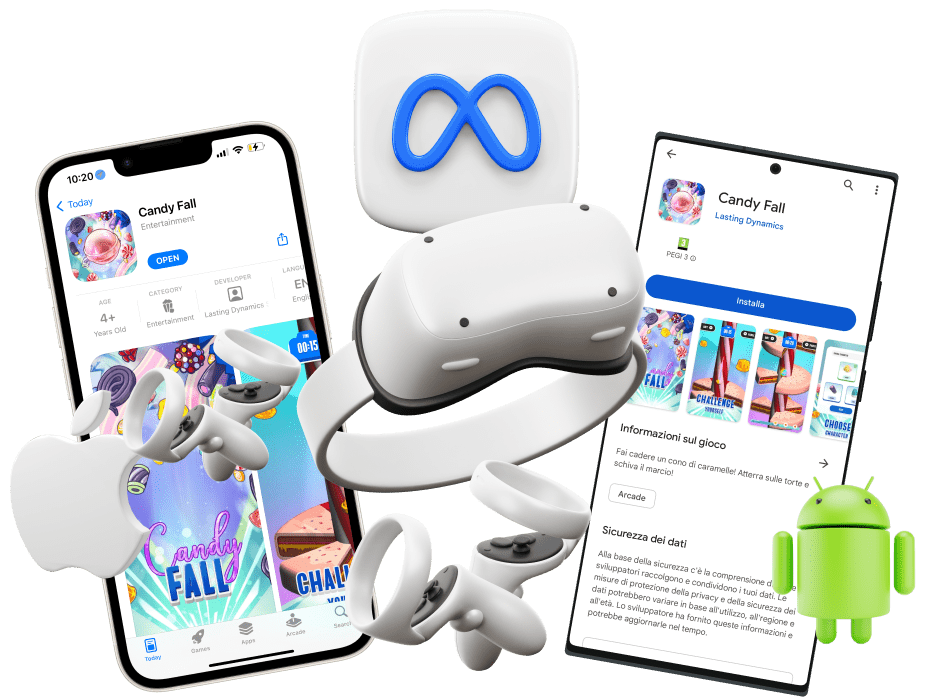
Den nyeste bølgen av gamification innen apputvikling bringer oppslukende teknologier i forgrunnen. Utvidet virkelighet (AR), virtuell virkelighet (VR), opplæringsmoduler og interaktive simuleringer endrer hvordan brukerne engasjerer seg i apper. Disse elementene gjør rutineoppgaver til lekne, minneverdige opplevelser som får læring, banktjenester eller trening til å føles mer som et eventyr enn som arbeid.
Sosiale funksjoner forsterker effekten. Ledertavler, live-utfordringer og samarbeidsoppdrag skaper en følelse av fellesskap, vennskapelig konkurranse og felles prestasjoner. I en språklæringsapp kan du konkurrere med vennene dine i glosespill, mens en bankapp kan være vertskap for byomfattende spareutfordringer som gjør økonomiske mål sosiale og morsomme. Disse mekanismene øker engasjementet og oppmuntrer til og med til organisk deling, noe som bidrar til at apper spres gjennom jungeltelegrafen.
Ved å kombinere oppslukende teknologi og sosial lek skaper gamifiserte apper opplevelser som er interaktive, minneverdige og avhengighetsskapende i beste forstand. Brukerne føler seg mer knyttet til plattformen og til hverandre, mens merkevarene opplever høyere oppbevaring, dypere engasjement og en sterkere følelsesmessig tilknytning til publikum.
Fra idé til lansering lager vi skalerbar programvare som er skreddersydd til dine forretningsbehov.
Samarbeid med oss for å akselerere veksten din.
Personalisering er det som virkelig løfter gamification i apputvikling. Ved å bruke data til å tilpasse belønninger, utfordringer og innhold til den enkelte bruker, kan apper skape reiser som føles unikt skreddersydde. Dette holder brukerne engasjerte, motiverte og investerte i fremgangen deres.
En utdanningsapp kan for eksempel tilby tilpassede spørrekonkurranser basert på tidligere prestasjoner, mens en treningsapp skreddersyr daglige utfordringer etter brukerens fremgang og mål. Selv små justeringer, som tilpasset vanskelighetsgrad, egendefinerte avatarer eller målrettede belønninger, kan få opplevelsen til å føles personlig, relevant og støttende, sikrer at brukerne holder motivasjonen oppe over tid.
Når brukerne føler at en app forstår dem, er det større sannsynlighet for at de kommer tilbake, utforsker nye funksjoner og anbefaler plattformen til andre. Gamification kombinert med personalisering forvandler rutinemessige interaksjoner til meningsfulle opplevelser, slik at apper ikke bare blir verktøy, men følgesvenner på brukerens reise.
Kunstig intelligens revolusjonerer gamification i apputvikling. Ved å analysere brukeratferd i sanntid kan kunstig intelligens forutsi hvilke funksjoner som vil øke engasjementet, og dynamisk justere utfordringer, belønninger eller innhold. Dette gjør det mulig for apper å levere personaliserte opplevelser i stor skala, slik at hver interaksjon føles relevant og skreddersydd for hver enkelt bruker. For bedrifter betyr dette at de kan holde på flere brukere, øke engasjementet og få en bedre forståelse av hvordan brukerne samhandler med produktene deres.
Det finnes imidlertid grenser for hva AI kan oppnå. Algoritmer kan feiltolke brukerens intensjon, foreslå irrelevante belønninger eller skape utilsiktet urettferdighet i konkurranser. Uten nøye menneskelig tilsyn risikerer AI-drevet gamification å bli repeterende, frustrerende eller til og med manipulerende. De beste resultatene oppnås når kunstig intelligens og menneskelig design jobber sammen, der kunstig intelligens håndterer data og skala, mens menneskelig kreativitet sørger for at opplevelsen forblir morsom, etisk og meningsfull.
Gamification i apputvikling handler ikke bare om algoritmer eller automatiserte systemer. Menneskelige designere spiller en avgjørende rolle når det gjelder å sørge for at spillmekanikken er etisk, inkluderende og virkelig fornøyelig. De definerer reglene, setter grenser og tar gjennomtenkte avgjørelser som kunstig intelligens alene ikke kan håndtere, som å sørge for at belønninger føles tilfredsstillende, men ikke avhengighetsskapende, eller at utfordringer er motiverende i stedet for frustrerende.
Selv med den mest avanserte AI er menneskelig input avgjørende for å skape et meningsfylt og langvarig engasjement. Designere bidrar med empati, kulturell bevissthet og kreativitet som maskiner ikke kan gjenskape. Ved å kombinere AIs evne til å skalere og analysere med menneskelig dømmekraft kan apper levere opplevelser som er både personaliserte og gjennomtenkte, slik at brukerne blir engasjerte, motiverte og kommer tilbake for mer.
Selv velmenende AI kan gjøre feil når den får i oppgave å omtolke eller “forbedre” innhold automatisk. I noen tilfeller kan ikoniske eller nøye utformede detaljer endres utilsiktet, for eksempel at et unikt objekt i et digitalt miljø endres til en mer generisk versjon fordi systemet trodde det skulle korrigere det. Disse små, men merkbare feilene kan påvirke brukeropplevelsen og til og med føre til at menneskelige designere må lappe eller rette opp for å gjenopprette den opprinnelige sjarmen. Det er en påminnelse om at kunstig intelligens er en kraftig assistent, men at mennesker fortsatt er avgjørende for å bevare kreativiteten, konteksten og de små detaljene som gjør opplevelsene minneverdige.
Belønninger som inspirerer til handling. Foto av Messala Ciulla på Pexels: https://www.pexels.com/photo/a-person-using-a-smartphone-26922999/
Vi designer og bygger digitale produkter av høy kvalitet som skiller seg ut.
Pålitelighet, ytelse og innovasjon i alle ledd.
Gamification i apputvikling gir målbare fordeler for både brukere og bedrifter. For brukerne gjør det rutineoppgaver til morsomme opplevelser som støtter læring, velvære eller økonomiske mål, samtidig som engasjementet holdes høyt. De lekne elementene, poengene, utfordringene og fremdriftslinjene gjør at aktivitetene føles givende, motiverende og til og med morsomme, noe som oppmuntrer folk til å komme tilbake dag etter dag.
Bedrifter oppnår like viktige fordeler. Spillbaserte funksjoner bidrar til å øke lojaliteten, øke antall henvisninger og gi bedre innsikt i brukeratferd. Ved å gjøre engasjementet til en interaktiv prosess genererer appene meningsfulle tilbakemeldinger som kan brukes som rettesnor for fremtidige oppdateringer og forbedringer. Det er en vinn-vinn-situasjon: Brukerne føler seg støttet og motivert, mens merkevarene bygger lojalitet og samtidig får nyttig innsikt.
Eksempler fra den virkelige verden viser effekten tydelig. Apper med spillbasert onboarding har høyere fullføringsgrad, læringsplattformer rapporterer om bedre oppbevaring av kunnskap, og bankapper som bruker spareutfordringer, opplever større deltakelse. Til syvende og sist styrker gamification forholdet mellom bruker og merkevare ved å skape en opplevelse som bygger på tillit, glede og konsekvent engasjement, og som forvandler enkle interaksjoner til varige forbindelser.
Som alle andre verktøy kan gamification i apputvikling slå tilbake hvis det brukes for mye eller er dårlig utformet. Brukerne kan oppleve “belønningstretthet”, der merker, poeng eller streker begynner å føles meningsløse, eller de kan bli frustrerte hvis utfordringene er for vanskelige eller urettferdige. Barrierer for tilgjengelighet kan også ekskludere enkelte brukere og skape opplevelser som føles givende for noen, men uoppnåelige for andre.
Når gamification brukes med omtanke, blir det inkluderende, støttende og bærekraftig. Designere kan skape opplevelser som er motiverende uten å være utmattende, givende uten å være manipulerende og engasjerende for alle brukere, uavhengig av evner. Nøkkelen er balanse: å kombinere kreative spillmekanikker med nøye overvåking, brukertesting og tilpasningsdyktighet for å sikre at hver interaksjon føles rettferdig, hyggelig og verdifull.
Millenniumsgenerasjonen og generasjon Z har vokst opp omgitt av spill, interaktive medier og umiddelbar tilbakemelding. For dem er gamification i apputvikling ikke bare en fin detalj, det er en grunnleggende forventning. De vil ha apper som belønner innsats, gir fremgang i sanntid og skaper en følelse av fellesskap og tilknytning.
Apper som ikke innfrir disse forventningene, risikerer å miste relevans hos yngre målgrupper. Brukerne kan raskt gå over til plattformer som føles mer engasjerende, dynamiske og i tråd med måten de naturlig samhandler med teknologi på. Det er ikke lenger valgfritt å innlemme spilllignende mekanikk; det er avgjørende for å holde seg i tankene og være konkurransedyktig.
De mest vellykkede merkevarene forstår dette og integrerer målrettede, lekne funksjoner på alle plattformene sine. Fra personlige utfordringer til sosiale topplister og meningsfylte belønninger - disse elementene skaper opplevelser som gir gjenklang, motiverer og bygger varig lojalitet. Gamification blir en bro mellom funksjonalitet og glede, og gjør vanlige interaksjoner til minneverdige reiser.
Hos Lasting Dynamics mener vi at gamification er mer enn bare en trend - det er et kraftfullt verktøy for å øke brukerengasjementet og skape minneverdige opplevelser. Et av våre mest fremtredende prosjekter er Candy Fall, et herlig mobilspill der spillerne styrer godteri gjennom kakeplattformer, samler belønninger og unngår hindringer. Spillet er utviklet med Unity og byr på en herlig blanding av moro og utfordring for spillere i alle aldre.
Et annet spennende prosjekt er Gravitor, er et dynamisk side-scroller-spill som lar spillerne manipulere tyngdekraften for å navigere gjennom kosmiske landskap. Med sin engasjerende mekanikk og livlige grafikk viser Gravitor vår evne til å skape oppslukende spillopplevelser som fenger brukerne. Til slutt, Rosmariano representerer vårt engasjement for bærekraft og innovasjon. Dette mangefasetterte prosjektet omfatter et spill som er knyttet til den virkelige produksjonen av eteriske oljer, og som fremmer miljøbevissthet samtidig som det gir en engasjerende brukeropplevelse.
Hvis du er interessert i å finne ut mer om hvordan vi integrerer gamification i prosjektene våre, sjekk ut vår egen seksjon om gamification. Og hvis du vil se andre innovative prosjekter vi har jobbet med, besøk kundeporteføljen vår for å få en dypere innsikt i vårt mangfoldige arbeid.
Den neste fasen av gamification handler om å gjøre opplevelsene enda smartere, mer tilkoblede og mer ansvarlige. Hyperpersonalisering vil gjøre det mulig for apper å tilpasse utfordringer, belønninger og innhold i sanntid basert på den enkelte brukers atferd. Spill på tvers av plattformer og integrering med wearables vil gjøre opplevelsene sømløse, mens AI-drevne historier og gruppeutfordringer vil skape interaktive reiser som føles levende og dynamiske.
Men innovasjon handler ikke bare om nyhet, men også om effekt. Fremtidens gamification legger vekt på etisk design, som sikrer at engasjementet fremmer trivsel, læring og positiv sosial atferd. Apper som balanserer moro med ansvar, kan motivere uten å overbelaste, inspirere uten å manipulere og skape verdi utover enkle beregninger.
Til syvende og sist er målet å skape opplevelser som er meningsfulle, inkluderende og i stadig utvikling. Etter hvert som teknologien utvikler seg, vil gamification fortsette å forme hvordan brukerne kommer i kontakt med apper, merkevarer og hverandre, slik at hver interaksjon blir målrettet, morsom og skreddersydd for den enkelte.
Gamification i apputvikling er ikke lenger bare en trend, det er en velprøvd strategi for å skape minneverdige produkter med høyt engasjement. Ved å kombinere smart teknologi med menneskesentrert design kan bedrifter forvandle rutineoppgaver til givende opplevelser som får brukerne til å komme tilbake. Poeng, merker, utfordringer og sporing av fremgang er mer enn lekne elementer. De bidrar til å bygge vaner, motivere til læring og styrke den emosjonelle forbindelsen mellom brukere og apper.
Den sanne kraften i gamification kommer fra balansen. AI kan skalere personalisering og analysere brukeratferd, men menneskelig tilsyn sikrer at opplevelsene forblir rettferdige, inkluderende og fornøyelige. Gjennomtenkt design forhindrer utmattelse, unngår manipulerende mønstre og sørger for at engasjementet er meningsfylt snarere enn overfladisk. Når det gjøres godt, gir gamification verdi for både brukere og bedrifter, og skaper et forhold som bygger på tillit, moro og konsekvent interaksjon.
Er du klar til å bygge apper som virkelig engasjerer og inspirerer? 👉 Kontakt Lasting Dynamics i dag for å utnytte kraften i gamification, AI og digital transformasjon i ditt neste prosjekt.
Gamification legger til spilllignende funksjoner, som poeng, merker og utfordringer, i apper for å oppmuntre til engasjement og belønne brukernes handlinger.
Det kan øke brukernes evne til å holde på informasjon, øke læringen, fremme sunn atferd og skape lojale kunder gjennom engasjerende og interaktive opplevelser.
Ja, kunstig intelligens bidrar til å tilpasse utfordringer, forutsi brukernes behov og holde innholdet oppdatert, men den må overvåkes av mennesker for å sikre etisk og fornøyelig design.
Utdanning, bankvirksomhet, nettbasert læring, trening og detaljhandel ser alle sterke resultater av spillbaserte apper.
Fokuser på meningsfulle belønninger, tilgjengelig design og regelmessige tilbakemeldinger for å sikre at gamification-strategien er bærekraftig og brukervennlig.
Forvandle dristige ideer til kraftfulle applikasjoner.
La oss skape programvare som gjør en forskjell sammen.

Luis Lambert
Jeg er multimediedesigner, tekstforfatter og markedsføringsekspert. Jeg søker aktivt etter nye utfordringer for å utfordre ferdighetene mine og vokse profesjonelt.
