

Å skape fremragende programvare
La oss bygge noe ekstraordinært sammen.
Stol på Lasting Dynamics for enestående programvarekvalitet.
Luis Lambert
des 10, 2025 • 10 min read

Banknæringen står på terskelen til en ny æra, drevet frem av av det eksplosive potensialet i GenAI og avansert dataanalyse. Fra å ha vært sett på som verktøy for eksperimentering eller innovasjonslaboratorier, er disse teknologiene nå i ferd med å bli sentrale for hvordan bankene konkurrerer, vokser og opprettholder tillit. I 2025 vil vinnerne i finansbransjen være de som klarer å balansere rask innføring med ansvarlighet, slik at kunstig intelligens går fra å være et konsept til å bli en praktisk verdidriver.
Denne overgangen kommer i en tid der regulatoriske reformer er i ferd med å omforme finanslandskapet. Globale institusjoner står overfor et økende press for å bevise at systemene deres ikke bare er effektive, men også etiske, transparente og sikre. For både banker og fintech-selskaper ligger utfordringen i å integrere AI- og datastrategier som oppfyller disse forventningene, samtidig som de flytter grensene for innovasjon.
Med dette som bakteppe er mulighetene enorme. GenAI kan personalisere kundeopplevelser, automatisere komplekse arbeidsflyter og avdekke innsikt som gir vekst. Sammen markerer de begynnelsen på et nytt kapittel i bankverdenen, et kapittel der compliance og kundetillit ikke er hindringer, men katalysatorer for fremgang, og der innovasjon blir standarden, ikke unntaket.

Data er et kraftfullt verktøy for AI-optimalisering. Foto av Artem Podrez på Pexels: https://www.pexels.com/es-es/foto/empresario-hombre-de-negocios-persona-mujer-6779716/
Banker over hele verden er under økende press for å øke inntektene, akselerere digital transformasjon, og konkurrere med smidige fintech-oppkomlinger. Ifølge PwC vil de institusjonene som vil blomstre i 2025, være de som som omfavner dristige AI-drevne strategier for å frigjøre nye verdistrømmer og øke effektiviteten i driften.
Tradisjonelle vekstvirkemidler, som utvidelse av filialer eller produktpakker, gir stadig mindre avkastning. Derimot åpner generativ AI og moderne dataanalyse dørene for hyperpersonaliserte tjenester, risikostyring i sanntid og automatisert compliance. Disse teknologiene er ikke bare hjelpemidler, de er katalysatorer for bærekraftig, skalerbar vekst.
Men mulighetenes vindu lukkes raskt. Etter hvert som regelverket utvikler seg for å imøtekomme nye bruksområder for kunstig intelligens, må bankene handle raskt for å pilotere, validere og skalere kunstig intelligens på en ansvarlig måte, ellers risikerer de å bli hengende etter både kundenes forventninger og kravene til etterlevelse.
GenAI har overgått manges forventninger. Dagens store språkmodeller og maskinlæringssystemer testes ut for alt fra automatisert kundestøtte til risikomodellering og generering av syntetiske data. Banker som starter i det små med å teste GenAI på spesifikke områder, lærer raskt, men den virkelige verdien kommer fra å skalere disse pilotprosjektene til hele virksomheten.
GenAI kan for eksempel automatisere utarbeidelsen av lovpålagte rapporter, oppsummere komplekse dokumenter og til og med bygge prediktive modeller for å avdekke kredittrisiko eller svindel. Når disse verktøyene integreres på en ansvarlig måte, reduserer de den manuelle arbeidsmengden, forkorter tiden det tar å få innsikt, og frigjør effektivitet som tidligere var utenkelig.
Utfordringen ligger i å gå fra isolerte pilotprosjekter til å ta i bruk i hele virksomheten. Dette krever investeringer i en robust datainfrastruktur, tydelig styring og oppslutning fra både IT- og virksomhetsledere.
Ingen AI-strategi kan lykkes uten veladministrerte data av høy kvalitet. Bankene må prioritere datainfrastruktur, Vi bruker skyplattformer, datasjøer og sikre pipelines for å sikre at informasjonen er nøyaktig, tilgjengelig og i samsvar med regelverket. Datalinje, kvalitetskontroller og metadatahåndtering er avgjørende for både operativ bruk og lovpålagt rapportering.
En moderne datastack gir bankene mulighet til å koble sammen silosystemer, forene kundeprofiler og muliggjøre analyser i sanntid. Dette handler ikke bare om teknologi, men om å skape en kultur der data behandles som en strategisk ressurs, med tydelig eierskap og forvaltning i hele organisasjonen.
Å investere i det rette datagrunnlaget i dag vil lønne seg etter hvert som AI tas i bruk, noe som gjør det enklere å lansere nye produkter, levere persontilpassede opplevelser og oppfylle nye krav til samsvar.

GenAI gjør innsikt til handling Foto av Nataliya Vaitkevich på Pexels: https://www.pexels.com/es-es/foto/marketing-empresario-hombre-de-negocios-hombre-7172830/
Banktilsynsmyndighetene er i full gang med å håndtere risikoene og mulighetene ved GenAI. I 2025 legger nye retningslinjer vekt på åpenhet, rettferdighet og ansvarlighet for AI-drevne prosesser, fra lånebeslutninger til overvåking av hvitvasking av penger (AML). Etterlevelse er ikke lenger en øvelse der man krysser av i en boks, men krever proaktiv, løpende styring.
Viktige regulatoriske temaer omfatter forklarbar AI (XAI), grundig modellvalidering og robuste revisjonsspor. Bankene må kunne vise hvordan AI-modeller tar beslutninger, hvordan data flyter gjennom systemene, og hvordan risikoer identifiseres og reduseres. Manglende etterlevelse kan føre til bøter, skade på omdømmet eller begrensninger på digital innovasjon.
For å ligge i forkant må man investere i automatisering av compliance, kontinuerlig overvåking og tverrfunksjonelt samarbeid mellom forretnings-, IT- og juridiske team. Vinnerne vil være de som ser på regulatorisk beredskap som en vekstfaktor, ikke en hindring.
Før vi går nærmere inn på utfordringene og fordelene, er det viktig å være klar over at GenAI har to sider i bankverdenen. På den ene siden åpner teknologien for ekstraordinære muligheter for effektivitet, personalisering og vekst. På den andre siden introduserer den nye lag av kompleksitet som institusjonene må håndtere nøye. Bankene oppdager at de samme verktøyene som muliggjør raskere beslutningsprosesser og bedre kundeopplevelser, også kan reise spørsmål om styring, rettferdighet og ansvarlighet.
La oss bygge noe ekstraordinært sammen.
Stol på Lasting Dynamics for enestående programvarekvalitet.
Denne doble virkeligheten er grunnen til at mange ledere beskriver innføringen av AI som både en mulighet og et ansvar. Teknologien kan ikke ses på som en rask løsning, den krever planlegging, investeringer og kulturelle endringer. Ved å se ærlig på både smertepunktene og fordelene kan finansinstitusjonene bedre forstå hva som skal til for å forvandle potensial til ytelse. I de følgende avsnittene skisseres de mest presserende utfordringene bankene står overfor i dag, og de konkrete fordelene de kan oppnå når generativ AI tas i bruk på en effektiv måte.
Å lansere GenAI i banksektoren krever en “responsible by design”-tankegang. Begynn med pilotprosjekter av begrenset omfang, for eksempel intern dokumentoppsummering eller chatbot-implementering, der effekten og risikoen kan måles. Bruk ulike, representative datasett for å minimere skjevheter og bygge tillit.
Opprett tverrfunksjonelle styringskomiteer for AI som inkluderer compliance-, juridiske og forretningsledere. Dokumenter hvert trinn, fra hypotese til resultat, og sørg for at det er menneskelig tilsyn med kritiske beslutninger. Åpen rapportering og forklarbarhet er ikke til forhandling, spesielt ikke på områder med høy innsats, som utlån og compliance.
Banker som tar ansvar for AI-pilotering, reduserer ikke bare risikoen, de bygger også opp de organisatoriske musklene som trengs for å skalere trygt og sikkert.
Etter hvert som bruken av AI utvides, datainfrastrukturen må holde tritt. Skybaserte plattformer tilbyr skalerbarhet, sikkerhet og fleksibilitet for både strukturerte og ustrukturerte data. Bankene bør investere i dataintegrasjon i sanntid, avanserte ETL-pipelines og AI-klare datasjøer som muliggjør analyser uten at det går på bekostning av personvern eller kontroll.
Modernisering av eldre systemer er et langsiktig arbeid. Prioriter områder med stor innvirkning, for eksempel 360-graders kundevisninger, transaksjonsovervåking eller lovpålagt rapportering, der forbedret datakvalitet kan gi umiddelbare fordeler. Sørg for at alle nye initiativer er bygget med tanke på interoperabilitet, etterprøvbarhet og samsvar.
Et fremtidsrettet datagrunnlag er ryggraden i enhver vellykket GenAI-strategi.
Samsvar må integreres i alle faser av AI- og datareisen. Det betyr at automatiserte kontroller, kontinuerlig overvåking og tydelig dokumentasjon må integreres i arbeidsflyten for utvikling og distribusjon. Regulatoriske krav blir stadig strengere, med et økende fokus på åpenhet, etikk og datasuverenitet i forbindelse med kunstig intelligens.
Bankene bør oppdatere risikorammeverkene sine for å gjenspeile AI-spesifikke trusler, gjennomføre regelmessige revisjoner av modellenes ytelse og rettferdighet, og ha robuste beredskapsplaner for datainnbrudd eller modellfeil. Samarbeide proaktivt med tilsynsmyndigheter, dele innsikt, delta i bransjefora og søke veiledning om nye utfordringer.
Proactive compliance isn’t just about avoiding penalties, it’s about building trust with customers, partners, and society.
For å fange opp den virkelige verdien av GenAI og avansert dataanalyse må bankene gå utover de overfladiske resultatene og følge opp et balansert sett med operasjonelle og strategiske KPI-er. Måling er det som gjør dristige påstander om AI om til håndfaste forretningsresultater, og som gir lederne et klart bilde av fremgang og forbedringsområder. Uten målinger risikerer selv de mest avanserte systemene å bli sett på som eksperimentelle eller frakoblet fra virksomhetens prioriteringer. Riktig sporing sikrer at investeringer i teknologi knyttes direkte til omsetningsvekst, compliance og kundetillit.
Datadrevet, transparent rapportering er ikke bare et spørsmål om god styring, det er en kontinuerlig motor som holder ledelsen på linje, tilsynsmyndighetene fornøyde og teamene motiverte til å videreutvikle strategiene sine. Ved å konsekvent overvåke resultatene kan bankene vise ansvarlighet og samtidig identifisere tidlige faresignaler før de utvikler seg til større problemer. En slik kultur for måling bidrar til å gjøre kunstig intelligens til en betrodd partner for vekst, i stedet for en teknologi i pilotfasen.
Teknologi alene er ikke nok. Bankene må utvikle nye ferdigheter og tankesett på tvers av IT-, compliance-, forretnings- og datateam. Invester i løpende opplæring i AI-etikk, regulatoriske krav og smidig utvikling. Samarbeid på tvers av funksjoner er nøkkelen: Samle dataforskere, compliance-ansvarlige og produkteiere for å være med på å utforme AI-initiativer fra grunnen av.
Gi teamene mulighet til å eksperimentere og lære, innenfor visse rammer. Feir tidlige seire, del erfaringer og skap tydelige karriereveier for AI- og datatalenter. En kultur preget av nysgjerrighet, ansvarlighet og ansvarlig innovasjon er din beste ressurs for fremtiden.

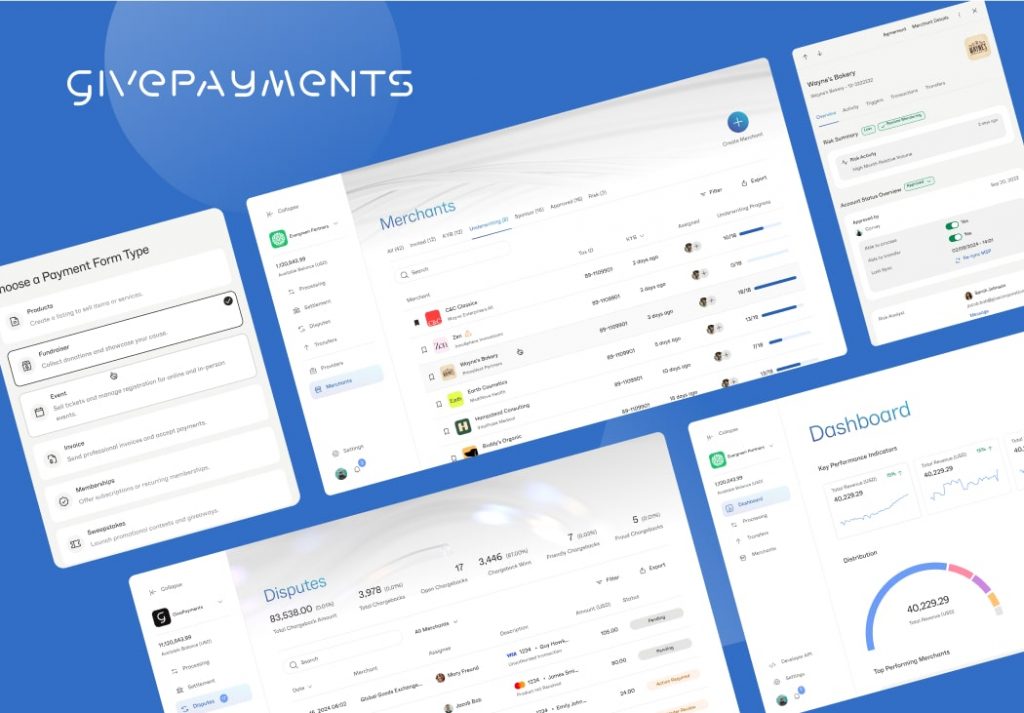
Vi hjelper finansinstitusjoner med å gjøre GenAI og avanserte data om til praktiske, målbare forretningsfordeler. En måte vi gjør dette på, er med Alt-i-ett, vår white label superapp-løsning for bank og forsikring. Den er forberedt på å integreres med eksisterende plattformer, øke brukerengasjementet og øke lojaliteten ved å kombinere nyttefunksjoner med rikere innhold og tjenester. Denne tilnærmingen gjør det enklere for bankene å levere personaliserte opplevelser og samle inn data som gir grunnlag for smartere AI-modeller.
Vi bygger også sentral finansiell infrastruktur som GivePayments, GivePayments er en skybasert løsning utviklet for betalingsleverandører. GivePayments kombinerer transaksjonsbehandling med høy hastighet med maskinlæring i sanntid, svindelvurdering og moderne REST API-er, slik at partnere kan ta i bruk selgere raskere, skalere trygt og beskytte inntektene uten å måtte bygge om hele systemet fra bunnen av. Det er nettopp denne blandingen av sikker skalering og datadrevne kontroller der GenAI og analyse gir umiddelbar verdi.
Fra idé til lansering lager vi skalerbar programvare som er skreddersydd til dine forretningsbehov.
Samarbeid med oss for å akselerere veksten din.
Disse prosjektene viser hvordan GenAI og data kan flytte bankvirksomhet fra isolerte pilotprosjekter til pålitelige, produksjonsdyktige funksjoner, fra smartere kundereiser til raskere oppdagelse av svindel og tydeligere samsvarsrapportering. Hvis du vil utforske konkrete eksempler og casestudier, kan du besøke vår Seksjon for finans, bank og forsikring for å se hvordan vi kombinerer produktdesign, sikker infrastruktur og kunstig intelligens for å hjelpe institusjoner med å vokse på en ansvarlig måte.
Konvergensen mellom generativ kunstig intelligens, avansert analyse og nye reguleringer vil ikke bare påvirke, men også fundamentalt omforme bankenes konkurranselandskap. Endringene som ligger foran oss, vil omdefinere hvordan bankene utformer produkter, håndterer risiko og samhandler med kundene, og sette nye standarder for hvordan innovasjon og compliance må se ut i en digital verden. Forvent å se:
Banker som investerer nå, og som balanserer innovasjon og styring, vil ikke bare være best posisjonert til å skape vekst, men også til å forme bransjens fremtid. Disse lederne vil definere hva tillit, robusthet og lønnsomhet betyr i den neste æraen av finansielle tjenester, og de vil bli referansepunkter som andre kan følge i et marked i rask utvikling.
GenAI og dataanalyse er ikke lenger valgfritt, de har blitt drivkreftene bak vekst, robusthet og etterlevelse i fremtidens bankvirksomhet. Det som en gang føltes som fjerne muligheter, er nå praktiske verktøy som former de daglige beslutningene, fra hvordan produkter lanseres til hvordan risiko håndteres. Banker som fortsetter å utsette utviklingen, vil bli utkonkurrert, ikke bare av fintech-virksomheter, men også av etablerte konkurrenter som er raskere ute med å integrere disse teknologiene i sin kjernevirksomhet.
Nøkkelen til suksess ligger i å finne den rette balansen mellom innovasjon og ansvar. Ansvarlig utprøving av kunstig intelligens, modernisering av datainfrastrukturen og integrering av regulatorisk beredskap i alle prosesser er ikke bare tekniske valg, men også kulturelle. Disse stegene avgjør om kunstig intelligens blir en sann drivkraft for tillit eller en kilde til nye sårbarheter. For både kunder og tilsynsmyndigheter er åpenhet og ansvarlighet like viktig som hastighet og effektivitet.
Det er på tide å handle nå. Institusjoner som leder an, vil ikke bare skape ny vekst, men også sette standarden for hvordan en smartere, tryggere og mer lønnsom finanssektor vil se ut i 2025 og fremover. Ved å ta i bruk både mulighetene og ansvaret som ligger i kunstig intelligens, kan bankene sette kursen mot langsiktig relevans og bevise at teknologi og tillit kan utvikle seg hånd i hånd.
Is your bank ready to lead with GenAI and data in 2025? 👉 Kontakt Lasting Dynamics i dag for å pilotere ansvarlig AI, modernisere datainfrastrukturen og sikre regulatorisk beredskap for den neste æraen med finansiell vekst.
Fordi GenAI gjør det mulig for bankene å automatisere prosesser, personalisere tjenester og innovere raskere, noe som er viktige fordeler i et konkurranselandskap i rask utvikling.
Begynn med pilotprosjekter av begrenset omfang, bruk representative data, sørg for menneskelig tilsyn, og prioriter åpenhet og etikk gjennom hele prosjektets livssyklus.
Vi designer og bygger digitale produkter av høy kvalitet som skiller seg ut.
Pålitelighet, ytelse og innovasjon i alle ledd.
Moderne banker trenger skyplattformer, datarørledninger i sanntid, sikker lagring og robuste styringsverktøy for å støtte skalerbare og kompatible AI-distribusjoner.
Ved å integrere automatiserte kontroller, forklarbare KI-rammeverk, regelmessige revisjoner og åpen rapportering i alle KI- og datainitiativer.
Det reduserer manuelle arbeidsoppgaver, gjør det raskere å oppdage risiko, effektiviserer samsvar og skaper nye muligheter for kundeengasjement og vekst.
Forvandle dristige ideer til kraftfulle applikasjoner.
Let’s create software that makes an impact together.

Luis Lambert
Jeg er multimediedesigner, tekstforfatter og markedsføringsekspert. Jeg søker aktivt etter nye utfordringer for å utfordre ferdighetene mine og vokse profesjonelt.
