

Å skape fremragende programvare
La oss bygge noe ekstraordinært sammen.
Stol på Lasting Dynamics for enestående programvarekvalitet.
Luis Lambert
feb 03, 2026 • 10 min read

In today’s digital-first world, services UI design has evolved into much more than a surface-level concern. It defines how users connect, explore, and interact with the services that shape their daily lives. A well-crafted interface doesn’t just look good, it builds trust, guides decisions, and turns digital friction into fluid interaction. Businesses that once focused only on functionality now realize that design is the key to emotional connection and long-term engagement.
As industries modernize, expectations rise. Users want seamless, accessible, and consistent experiences across every platform they touch. Whether managing healthcare data, booking travel, or accessing a financial dashboard, people seek interfaces that feel effortless and intuitive. This demand has turned UI design into a strategic advantage rather than a finishing touch.
Currently in 2026, the companies leading the digital shift are those who view design as the bridge between technology and people.A powerful UI translates complex systems into simple actions, helping organizations communicate value instantly. In this sense, design has become the universal language of digital trust, a direct link between business goals and user satisfaction.

Smart services start with great UI Design. Photo by Ready Madeon Pexels: https://www.pexels.com/photo/modern-workplace-with-gadgets-and-notebook-on-marble-table-3850200/
UI (User Interface) and UX (User Experience) are often mentioned together, but they play distinct roles in the digital ecosystem. UI brings clarity and visual order, it’s the layout, the buttons, the colors, and the typography that users see and interact with. UX, on the other hand, is the invisible layer that measures how people feel while they navigate a service. It’s what determines whether they stay, return, or abandon it altogether.
The most successful products merge both perspectives seamlessly. A polished interface without empathy or logic can frustrate users, while a brilliant UX hidden behind clumsy visuals can go unnoticed. Together, they create a cycle of clarity and comfort: users understand what to do, enjoy doing it, and feel rewarded by the outcome.
This synergy matters most in complex digital environments, like SaaS platforms, EHR systems, or service portals, where efficiency and accessibility go hand in hand. Here, UI design guides the eye, while UX shapes the path forward. The result is not only usability but also trust, a key ingredient in every meaningful digital relationship.
Modern users don’t live on a single screen. They move from mobile to desktop, tablet to smartwatch, expecting the same clarity and comfort on each device. This diversity challenges designers to create adaptable interfaces that maintain consistency while respecting each platform’s rhythm. The future of UI lies in flexibility: one experience, many shapes.
Designing for multiple devices means thinking beyond pixels. A mobile banking app must prioritize quick access and thumb-friendly buttons, while a web-based dashboard demands detail, keyboard shortcuts, and layered navigation. Each form factor brings a different set of priorities, and great design anticipates them naturally.
This is something we adopted in Lasting Dynamics, we take this challenge as part of our philosophy. Our design teams build interfaces that adapt gracefully across devices, combining performance with personality. Every project blends functionality and emotion, ensuring that no matter the platform, users always feel at home, connected, confident, and understood.
La oss bygge noe ekstraordinært sammen.
Stol på Lasting Dynamics for enestående programvarekvalitet.
UI design for service businesses has transformed dramatically in the past decade. In the early years, interfaces were dense, overloaded with information, and often frustrating to use. As users became more digitally aware, they began expecting smoother, faster, and more intuitive experiences. This shift forced designers to move from “how it works” to “how it feels,” creating a balance between efficiency and emotion that defines modern digital services.
Today’s design approach focuses on simplicity and flow. Clean layouts, micro-interactions, and responsive structures make services feel lighter and more personal. Instead of overwhelming users with options, modern UI design helps them focus on what truly matters, completing a task, finding information, or connecting with support, without distraction. It’s an evolution that mirrors how people’s digital habits have matured.
Behind this progress are powerful frameworks, design systems, and shared component libraries that bring order and consistency to complexity. These tools empower teams to move faster and maintain a unified visual identity across platforms. Whether building a healthcare portal, a booking system, or a management dashboard, a well-structured design ecosystem ensures every experience feels familiar, reliable, and human.
What truly defines a great services UI is not decoration, it’s clarity. Every pixel, color, and movement has a purpose: to guide, reassure, and simplify. The most effective interfaces anticipate user behavior and reduce cognitive load, allowing people to achieve goals without hesitation. It’s design that disappears into the background, letting the experience take center stage.
Speed and feedback are essential. When users interact with a form, upload data, or trigger a process, they expect instant confirmation and smooth transitions. Smart capture UIs, for example, thrive on clarity, showing progress, preventing errors, and adapting to user actions in real time. These micro-details build confidence and trust, two qualities that turn casual users into loyal ones.
Accessibility is another cornerstone. Great design serves everyone, regardless of device, ability, or environment. That means embracing readable typography, strong contrast, intuitive keyboard navigation, and compatibility with assistive technologies. At Lasting Dynamics, we see accessibility as an essential part of creating inclusive digital ecosystems that empower every user to interact with ease and confidence.
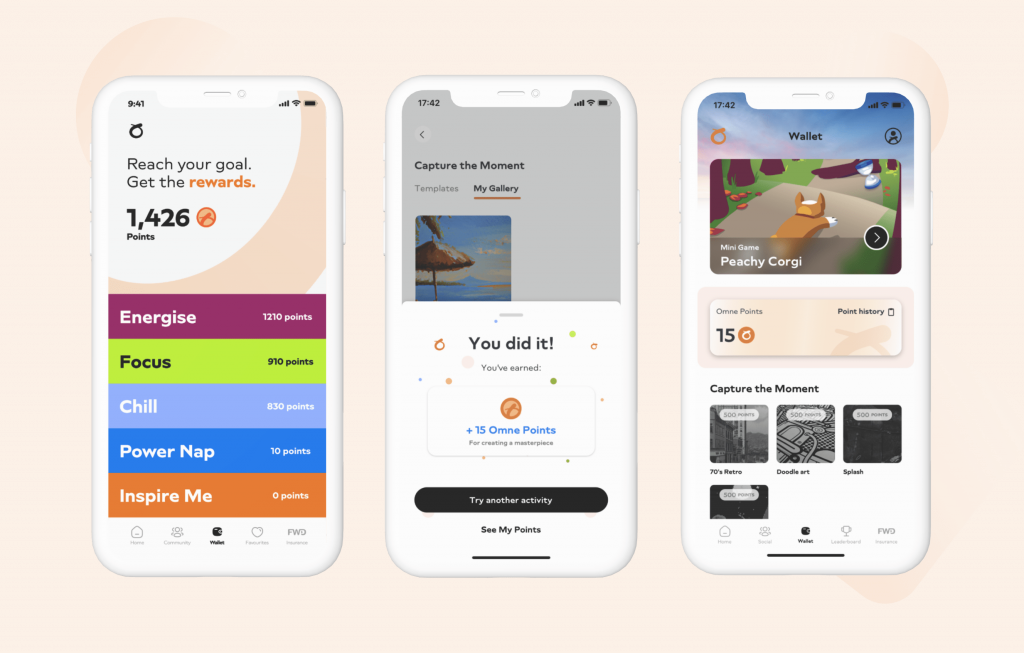
Even with good intentions, design can fail when it loses touch with real users. Confusing navigation, inconsistent layouts, or missing visual cues can quickly turn an elegant interface into a frustrating one. Every second a user spends guessing where to click or what to do next increases the chance of abandonment. A poor UI doesn’t just create friction, it erodes trust and credibility.
For service-based platforms, even small usability issues can have serious effects. A mislabeled button, an unclear loading indicator, or a hidden action can interrupt workflows and cause users to lose confidence in the system. This frustration often leads to higher support costs, user churn, and negative reviews, problems that strong design could have prevented from the start.
The key is anticipation. Understanding user behavior early in the design phase allows teams to spot potential pain points before they grow. Through testing, feedback, and iteration, these invisible barriers can be replaced with effortless clarity. The result isn’t just fewer mistakes, it’s a smoother, more human experience that keeps users engaged and satisfied.
Fra idé til lansering lager vi skalerbar programvare som er skreddersydd til dine forretningsbehov.
Samarbeid med oss for å akselerere veksten din.
Good design is not decoration, it’s business value in action. A well-crafted services UI makes digital tasks faster, easier, and more pleasant to complete. It shortens onboarding time, reduces training needs, and encourages users to explore more features. Over time, that sense of ease translates into loyalty, users return not because they must, but because they want to.
For businesses, this user satisfaction becomes measurable success. Clear navigation and real-time feedback mean fewer support tickets and higher engagement rates. Customers who enjoy using a service are more likely to recommend it, increasing retention and organic growth. In other words, intuitive UI design pays off in both human and financial terms.
Technically, a strong UI simplifies everything behind the scenes too. Clean, modular interfaces are easier to update, test, and maintain. Features like responsive layouts and intuitive error prevention minimize rework and maximize stability. The investment in good design is never just aesthetic, it’s operational efficiency, long-term scalability, and continuous improvement combined.
Every service domain brings unique UI challenges. Smart capture systems, for instance, must combine speed and precision, allowing users to scan, upload, or process documents instantly with minimal effort. The best designs eliminate repetitive steps and make automation feel natural, almost invisible to the user.
In healthcare, EHR interfaces demand absolute clarity and data integrity. Doctors and medical staff rely on these systems in high-pressure environments, so every color, field, and interaction matters. The design must balance usability with privacy and compliance, ensuring information is both accessible and protected. A well-designed EHR UI reduces stress, prevents errors, and supports better patient outcomes.
Meanwhile, SaaS platforms focus on scalability and self-service. Onboarding flows must be effortless, dashboards customizable, and navigation consistent across updates. Increasingly, SaaS UIs also integrate conversational elements, like chatbot interfaces powered by natural language processing, to guide users and enhance support. Together, these trends reflect one truth: great UI adapts to the context it serves.
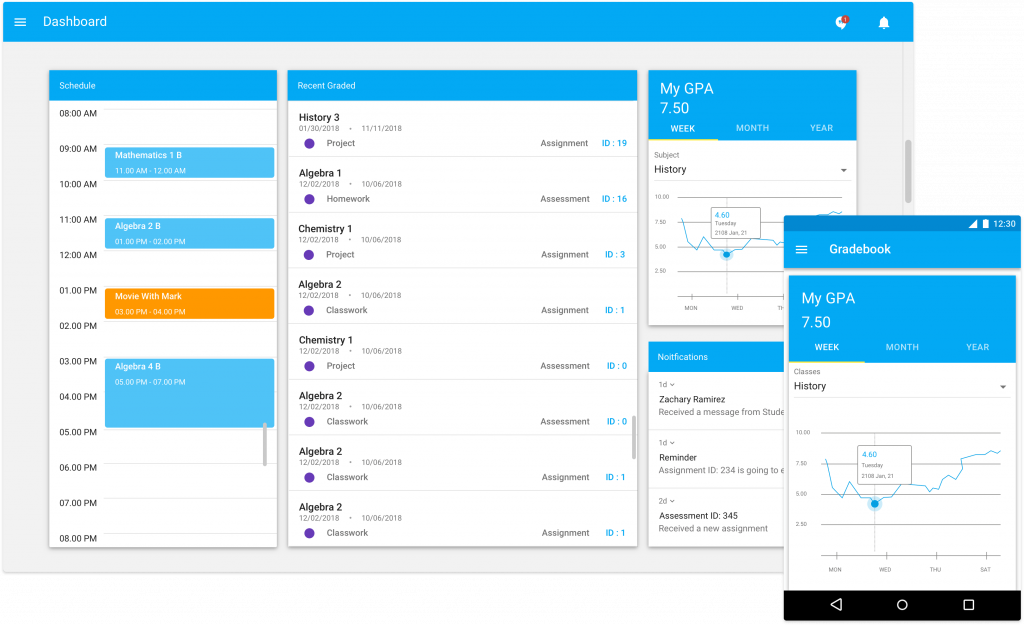
Choosing the right UI design consultant is a crucial step for any organization looking to elevate its digital presence. More than just a good looking portfolio, the right partner demonstrates empathy, curiosity, and adaptability. They take time to understand your users, your goals, and the unique environment your service operates in. True design partnership begins with listening.
When evaluating potential consultants, look for transparency in their process and clarity in their communication. Strong teams rely on research, user testing, and iterative design to ensure every decision is evidence-based. They also provide post-launch support, monitoring real-world feedback to continuously refine the experience.
At Lasting Dynamics, we believe great UI design starts with understanding people. Our human-centered approach blends creativity with technology, ensuring each project meets both functional and emotional goals. From SaaS, og helsetjenester to smart capture systems, we build adaptive, accessible, and scalable interfaces that turn complex services into effortless experiences.
Vi designer og bygger digitale produkter av høy kvalitet som skiller seg ut.
Pålitelighet, ytelse og innovasjon i alle ledd.
Conversational interfaces are transforming the way users interact with digital platforms. Instead of navigating menus or searching through pages, people can now engage through natural, human-like dialogue. A well-designed chatbot UI makes digital interaction feel effortless, offering instant answers, guiding actions, and adapting its tone based on context. It’s not just a tool for automation, but a bridge to more personal, efficient service experiences.
The best conversational UIs understand nuance. They respond with empathy, adjust to the user’s knowledge level, and recognize when it’s time to involve human support. Message timing, visual cues, and escalation flows are all part of creating a smooth, trustworthy conversation. When designed thoughtfully, chatbot UIs don’t just solve problems, they create relationships.
Aside from convenience, these interfaces bring measurable value. They reduce wait times, streamline support costs, and collect insights that improve future interactions. As AI becomes more advanced, conversational design is shifting from reactive assistance to proactive guidance, helping users before they even ask. The future of service interaction is not just clickable, it’s conversational.
Every polished UI sits on top of a powerful technological foundation. Front-end frameworks like React, Vue.js, and Angular have become essential for building fast, dynamic, and scalable interfaces. They allow designers and developers to work together efficiently, turning complex ideas into seamless user experiences. Behind the scenes, tools like Figma, Sketch, and Adobe XD make collaboration visual and intuitive, turning feedback into iteration with ease.
A strong UI also depends on smart integration. RESTful APIs, cloud platforms, and CI/CD pipelines ensure that updates reach users smoothly and securely. These systems connect the front-end design with data, automation, and analytics, making the experience consistent and responsive, regardless of scale.
To maintain long-term quality, modern teams rely on testing and measurement. Accessibility audits, automated regression tests, and real-time analytics track performance and usability over time. These technologies ensure that every interaction remains stable, inclusive, and aligned with user expectations, even as systems evolve and grow.
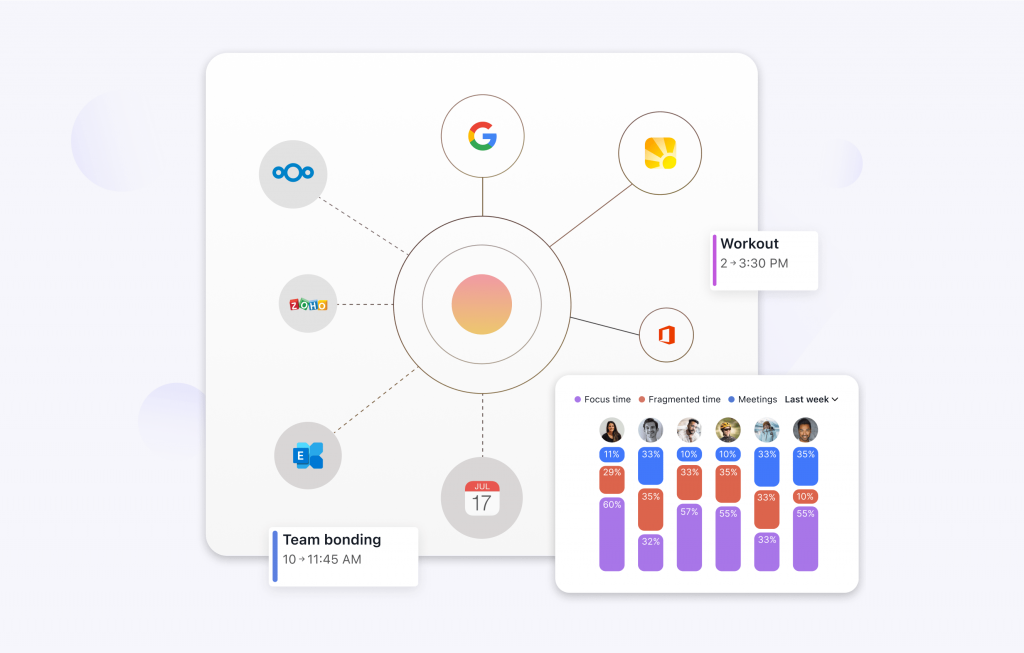
The next generation of services UI design will be shaped by intelligence, adaptability, and emotion. Interfaces are becoming smarter, able to anticipate user needs, learn from behavior, and deliver personalized experiences in real time. Instead of static layouts, adaptive systems will continuously evolve, offering designs that feel tailor-made for each individual user.
Emerging technologies like voice, gesture, and augmented reality are expanding the boundaries of interaction. They remove barriers between people and digital services, making actions faster, more intuitive, and often invisible. Whether through a smart assistant, wearable interface, or immersive workspace, design is moving beyond the screen.
At the same time, ethical and secure design will grow increasingly important. Transparency, consent, and privacy must be built into every step of the user journey. As digital trust becomes a defining factor for brands, the most successful services will be those that blend innovation with responsibility, proving that great design doesn’t just look good; it earns confidence.
UI design has become the soul of digital interaction, an art that turns complexity into clarity, and a science that transforms usability into business impact. Every click, scroll, and gesture contributes to how users perceive value. When design is strategic, it not only looks appealing but communicates trust, simplicity, and purpose. It’s how modern services connect people and technology in the most human way possible.
In a market defined by constant innovation, thoughtful design is no longer optional, it’s essential. Device-agnostic interfaces, accessible layouts, and personalized experiences are now the foundation of every successful digital product. By investing in intuitive UI design, companies strengthen their identity, improve engagement, and create products that people genuinely enjoy using.
At Lasting Dynamics, we believe in great, practical and beautiful design. Our team helps organizations elevate their service experience through creativity, precision, and empathy. From strategy to execution, we craft interfaces that inspire confidence and deliver measurable results. The future of digital services starts with better design, and we’re here to help you build it.
Ready to take your services UI design to the next level? 👉 Kontakt Lasting Dynamics today for a tailored consultation and see how our expert team can boost your project’s success.
Services UI design refers to crafting user interfaces for platforms delivering digital services like SaaS, EHR, and smart capture. It’s crucial for ensuring usability, engagement, and satisfaction.
Common pitfalls include inconsistent navigation, lack of feedback, and poor accessibility. These issues can frustrate users and lead to higher churn.
Each device, mobile, desktop, tablet, requires unique layouts, interactions, and optimizations. Effective services UI design ensures seamless experiences everywhere.
Leading tech stacks include React, Vue, and Angular, supported by design tools like Figma and Sketch. Automated testing and analytics ensure quality.
Improved services UI design leads to higher engagement, reduced support costs, and increased customer loyalty.
Forvandle dristige ideer til kraftfulle applikasjoner.
Let’s create software that makes an impact together.

Luis Lambert
Jeg er multimediedesigner, tekstforfatter og markedsføringsekspert. Jeg søker aktivt etter nye utfordringer for å utfordre ferdighetene mine og vokse profesjonelt.
