

打造卓越软件
让我们一起创造非凡。
Lasting Dynamics 提供无与伦比的软件质量。
Michele Cimmino
12 月 05, 2025 • 10 min read
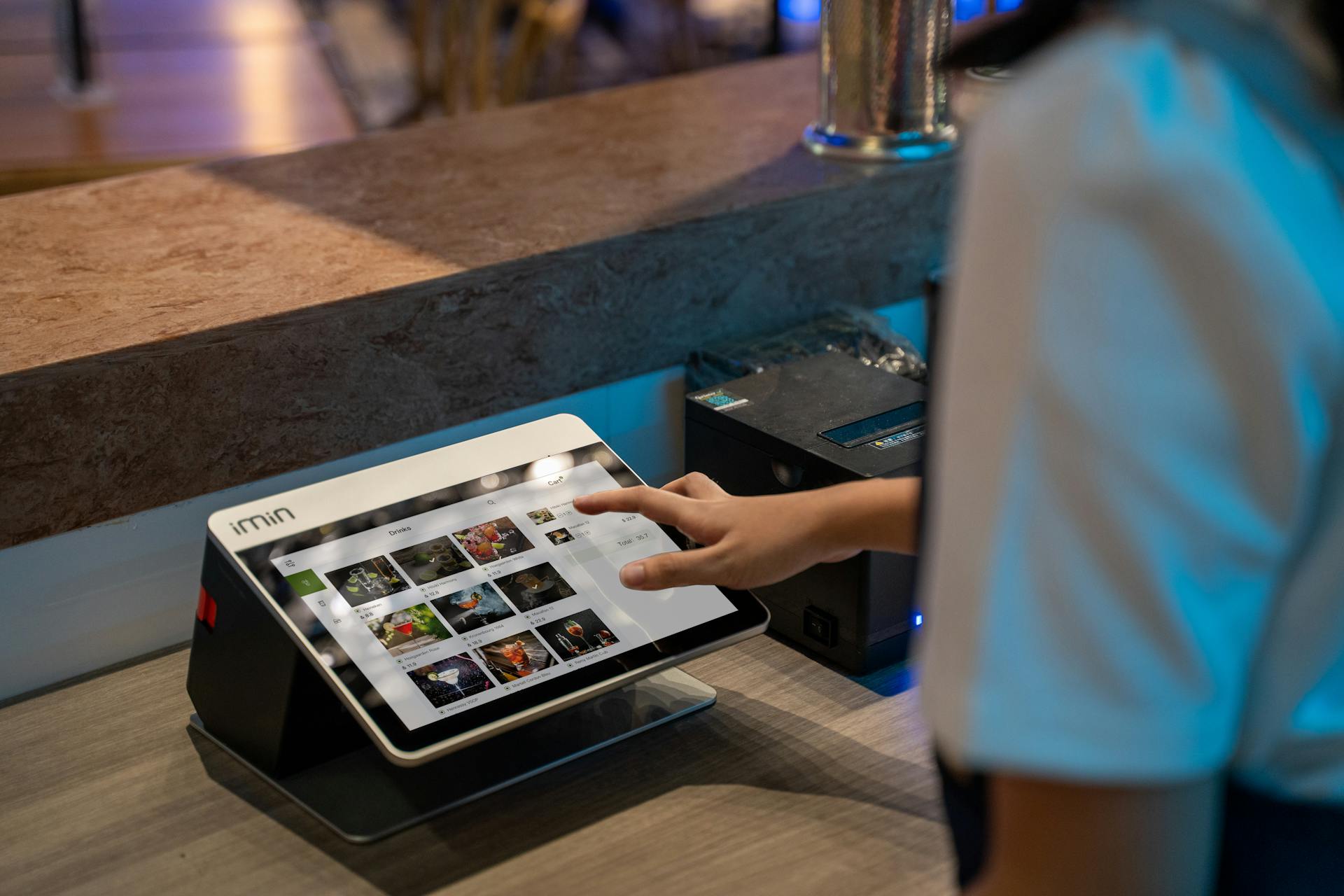
Customer self-service empowers people to find solutions instantly, making support faster, simpler, and more reliable.
Customer self-service has quickly moved from being a convenient extra to becoming an essential part of every customer experience. In today’s digital-first environment (which is part of the digital transformation), people want the freedom to handle simple tasks on their own, without waiting on hold or sending endless emails. From checking an account balance to filing a request, the ability to act independently gives customers a sense of control and confidence in the brand they are dealing with.
The shift in expectations is largely driven by lifestyle changes and technology habits. Mobile phones, instant apps, and on-demand services have shaped the way customers think about interaction: it should be fast, available at any hour, and simple enough to complete in just a few steps. When companies fail to meet these expectations, customers often turn to competitors who make the process easier. Convenience is no longer a luxury, it is the foundation of modern loyalty.
For businesses, this shift creates both a challenge and an opportunity. Adopting self-service does not only reduce the strain on support teams, but it also strengthens customer relationships by showing respect for their time. A well-designed portal or app communicates that the company values efficiency and independence. More than just a cost-saving measure, self-service has become a core element of building trust and ensuring long-term success in a highly competitive market.

Power in your hands, answers in seconds. Photo by iMin Technology on Pexels: https://www.pexels.com/photo/a-close-up-shot-of-a-cashier-using-a-point-of-sale-system-12935074/
The rapid evolution of digital experiences has redefined customer expectations. What was once an added convenience, like automated FAQs or simple order tracking, has become a baseline requirement for brands in finance, retail, telecom, and beyond. Leading companies now offer robust customer self-service platforms, allowing users to resolve issues, manage accounts, and even process claims independently, 24/7.
This shift is driven by a new generation of users who value autonomy and speed above all. A recent report by easysend.io highlights that over 70% of customers prefer self-service to speaking with a live agent for routine tasks. The growing ubiquity of mobile apps amplifies this trend: customers want access to gen mobile customer service and similar utilities directly from their smartphones.
Organizations that recognize this shift are not only meeting customer expectations, they’re also unlocking operational efficiencies. By reducing the burden on call centers and empowering customers to find their own solutions, businesses can redirect resources toward tackling more complex or specialized issues.
Today’s customers are more digitally savvy and independent than ever before. They expect brands to anticipate their needs and provide tools that put them in control. Empowerment customer service isn’t just a buzzword; it’s a competitive differentiator. Customers don’t want to wait on hold or navigate complex IVR (Interactive Voice Response) menus, they want resolution at their fingertips.
Time is a major motivator. Whether it’s a busy professional needing to update an insurance policy at midnight, or a millennial quickly tracking a delivery, modern consumers value brands that respect their schedules. This expectation extends across industries, from journeys customer service in travel to home telecom customer service in utilities.
Another driver is transparency. Self-service portals let users see their account details, transaction histories, and support tickets in real time, building trust and reducing anxiety. Companies that provide these features are perceived as more open and customer-centric, increasing loyalty and lifetime value.
For organizations, the shift to customer self-service is as much about economics as it is about experience. Traditional support channels, especially voice-based call centers. are resource-intensive and difficult to scale. By contrast, digital self-service can resolve routine queries faster and at a fraction of the cost.
Industry benchmarks and vendor case studies typically report call reductions of about 25% after implementing robust self-service and deflection strategies. This not only reduces operational expenses but also frees up agents to focus on high-value, complex issues that truly require a human touch.
Loyalty is another benefit. Customers who can solve their own problems quickly are more likely to recommend a brand and less likely to churn. As digital self-service becomes the norm, it acts as a loyalty engine, turning seamless experiences into lasting relationships.
Not all self-service portals are created equal. The most successful platforms are designed with the user at the center, offering clear navigation, logical workflows, and on-demand access to all essential functions. For example, leading insurance providers now let users submit and manage claims, update policy information, and download relevant documents, without ever calling support.
Integration is key. A great self-service experience doesn’t exist in isolation; it connects seamlessly with other channels like chat, email, and even live support. Gen mobile customer service tools now enable users to escalate from self-service to a live agent with context preserved, ensuring no information is lost in transition.
Security and privacy are also fundamental. Customers must trust that their personal and financial data is protected at every step. Encrypted communication, secure authentication, and transparent data policies are non-negotiable for any modern self-service solution.
Mobile devices are now the primary mean for customer interactions. As a result, companies must ensure their self-service offerings are fully optimized for smartphones and tablets. This means responsive design, fast load times, and intuitive touch navigation are critical success factors.
Mobile apps have set new standards for convenience. Customers expect to handle everything from prada customer service queries to tracking packages or filing claims from their devices, anytime, anywhere. Push notifications, biometric login, and in-app messaging further enhance the experience, making self-service even more accessible and user-friendly.
Progressive web apps (PWAs) are also gaining traction, providing app-like functionality without requiring a download. This approach lowers friction for first-time users and ensures that even customers with older devices or limited storage can access essential services.

Quick solutions with customer self-service. Photo by Anna Shvets on Pexels: https://pexels.com/photo/a-woman-in-blue-long-sleeve-shirt-using-a-digital-tablet-5894042/
让我们一起创造非凡。
Lasting Dynamics 提供无与伦比的软件质量。
Designing a customer self-service portal that truly delivers requires deep empathy for user needs. Start by mapping common customer journeys, such as resetting passwords, updating contact details, or checking order status, and structure the portal to make these processes as intuitive as possible.
Clarity is key. Use simple, jargon-free language and provide visual cues to guide users through each step. Incorporate contextual help and tooltips to assist without overwhelming, and ensure that escalation to live support is always available for complex issues.
Accessibility must never be an afterthought. The best self-service portals are inclusive, meeting WCAG standards and ensuring usability for customers with disabilities. This not only expands your reach but signals a genuine commitment to customer empowerment and equity.
Despite their benefits, poorly executed self-service solutions can frustrate customers and damage brand reputation. Common pain points include confusing navigation, incomplete functionality, or lack of integration with backend systems. Customers who can’t find answers quickly will revert to calling support or worse, abandon your brand altogether.
Another risk is over-automation. When companies push self-service at the expense of human support, it can create a perception of indifference. Empowerment customer service means offering choice: some users will always prefer to speak with an agent, especially for urgent or sensitive matters.
To avoid these pitfalls, organizations must continuously monitor user feedback, track journey drop-offs, and invest in ongoing refinement. A commitment to usability testing and iterative improvement is essential for keeping self-service experiences relevant and effective.
Success in digital self-service isn’t just about launching a portal, it’s about delivering measurable value. The most important metrics for evaluating self-service impact include:
These metrics provide actionable insight into what’s working, where users struggle, and how to prioritize improvements.
The rise of customer self-service doesn’t mean the end of human support, it means smarter, more empowered agents. When customers do escalate an issue, agents should have full visibility into the user’s self-service journey: what steps they’ve taken, what information they’ve provided, and where they got stuck.
This context enables faster, more personalized resolutions and reduces customer frustration. Empowered agents can guide users more effectively, offer proactive solutions, and even recommend new self-service features that might help next time.
Ultimately, the synergy between digital self-service and human expertise leads to higher satisfaction and operational agility, a win-win for customers and organizations alike.
As more sensitive transactions move online, security and compliance have become top priorities. Modern customer self-service platforms must adhere to strict data protection standards, whether that means GDPR, CCPA, or industry-specific regulations.
Secure authentication (such as multi-factor or biometric), encrypted communications, and regular vulnerability assessments are essential. Transparent privacy policies and robust user consent processes help build trust and ensure legal compliance.
Companies that prioritize security not only protect themselves from reputational and financial risk, they also reassure customers that their data is in safe hands, driving higher adoption rates for digital channels.

Looking ahead, the next wave of customer self-service will be driven by artificial intelligence and hyper-personalization. AI-powered chatbots can now resolve more complex queries, predict user needs, and even offer proactive recommendations based on past behavior.
Personalization goes beyond remembering a user’s name. The best platforms adapt content, navigation, and promotions to each customer’s preferences and context. Omnichannel integration ensures that experiences are seamless across web, mobile, and in-person touchpoints, creating a unified customer journey.
As technology evolves, companies that leverage these trends will set the pace for the entire industry, delivering support that’s not only efficient but truly delightful. This evolution also highlights a deeper shift: customers are no longer comparing companies only within the same sector, but across industries. If a banking app offers smooth, predictive self-service, users expect the same from their insurance provider or telecom company
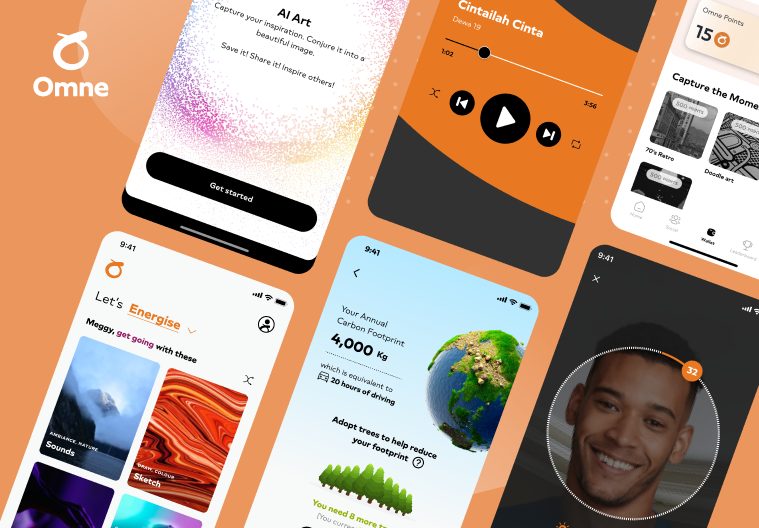
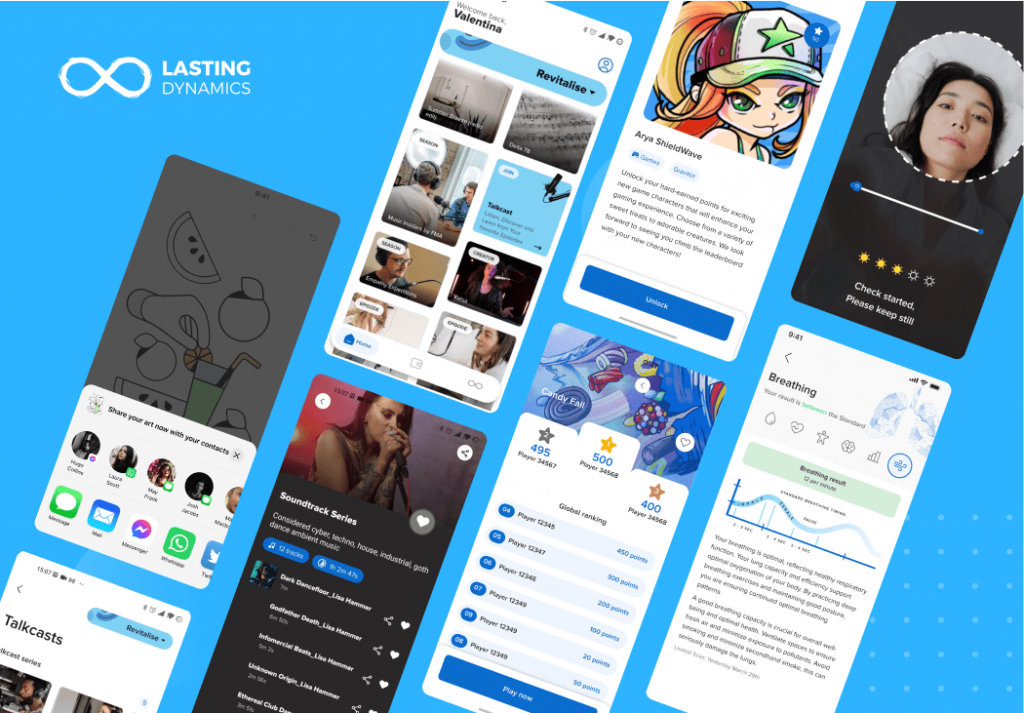
The move toward digital self-service in insurance is easiest to understand when you look at real products that blend everyday value with policy tools. Lasting Dynamics has worked on projects that follow this approach, for example, Omne (built for FWD) is positioned as a 360° lifestyle app that combines health checks, games, streaming and rewards with the ability to access insurance features. That mix turns occasional policy tasks into part of a regular habit, which both meets modern expectations for self-service and helps keep users engaged.
A related idea is the All-in-One white-label platform, rather than a single-purpose insurance app, it’s a configurable super-app that brings together utility (policy lookup, payments, claims) and engagement (content, gamification, rewards). When firms offer useful services alongside quick self-service tools, customers are more likely to return to the app for small tasks, and that regular interaction makes it easier to present timely, relevant offers without causing friction.
Putting these lessons together: good self-service in insurance isn’t just about moving forms online, it’s about creating reasons for customers to use the app often, and making routine tasks simple when they do. Apps like Omne and platforms like All-in-One show how design, content and straightforward policy access can work together to reduce friction and build trust. For more information about finance, banking and insurance you can check our special section for this. And if you want to see more projects, take a look at the Clients section on Lasting Dynamics.
In 2025, customer self-service is no longer an optional feature, it has become the new baseline. People now expect to solve common needs on their own, whether that means checking an order, updating an account, or finding quick answers without waiting on the phone. What used to feel like a convenience has now turned into a standard expectation across almost every industry.
从创意到发布,我们根据您的业务需求量身打造可扩展的软件。
与我们合作,加速您的成长。
This change benefits both sides. For customers, self-service saves time and offers a sense of independence. For companies, it reduces pressure on support teams and allows staff to dedicate more attention to cases where personal help is truly needed. When these systems are designed in a clear and user-friendly way, everyone wins: customers leave satisfied, and businesses see lower costs and stronger loyalty.
The real lesson is that self-service is not just about technology, it is about meeting people where they are. By offering simple, reliable, and accessible tools, organizations can create smoother experiences and build trust over time. In a world where expectations keep rising, embracing self-service is one of the most direct ways to stay relevant and connected with customers.
Ready to deliver the self-service experiences your customers expect? 👉 联系 Lasting Dynamics today and let’s build digital solutions that boost satisfaction, lower costs, and set your brand apart.
Because digital-first consumers prefer fast, convenient, and independent solutions, brands that deliver self-service win loyalty and reduce support costs.
Key metrics include reduced call volumes, self-service completion rates, CSAT scores, faster resolution, and increased portal engagement.
By prioritizing user-centric design, accessibility, mobile optimization, security, and integration with live support when needed.
Instant account management, claims and order tracking, contextual help, secure authentication, and seamless escalation to agents.
We design, develop, and optimize custom self-service solutions tailored to each industry, ensuring scalability, security, and superior customer experiences.
将大胆的想法转化为强大的应用。
让我们一起创造出具有影响力的软件。

Michele Cimmino
我相信努力工作和每日承诺是取得成果的唯一途径。我对质量有一种莫名其妙的吸引力,当涉及到软件时,这就是让我和我的团队对敏捷实践和持续的过程评估有强烈把握的动力。我对任何事情都有强烈的竞争态度--我不会停止工作,直到我达到顶峰,一旦我达到顶峰,我就开始工作以保持这个位置。
