

打造卓越软件
让我们一起创造非凡。
Lasting Dynamics 提供无与伦比的软件质量。
路易斯-兰伯特
2 月 01, 2026 • 10 min read
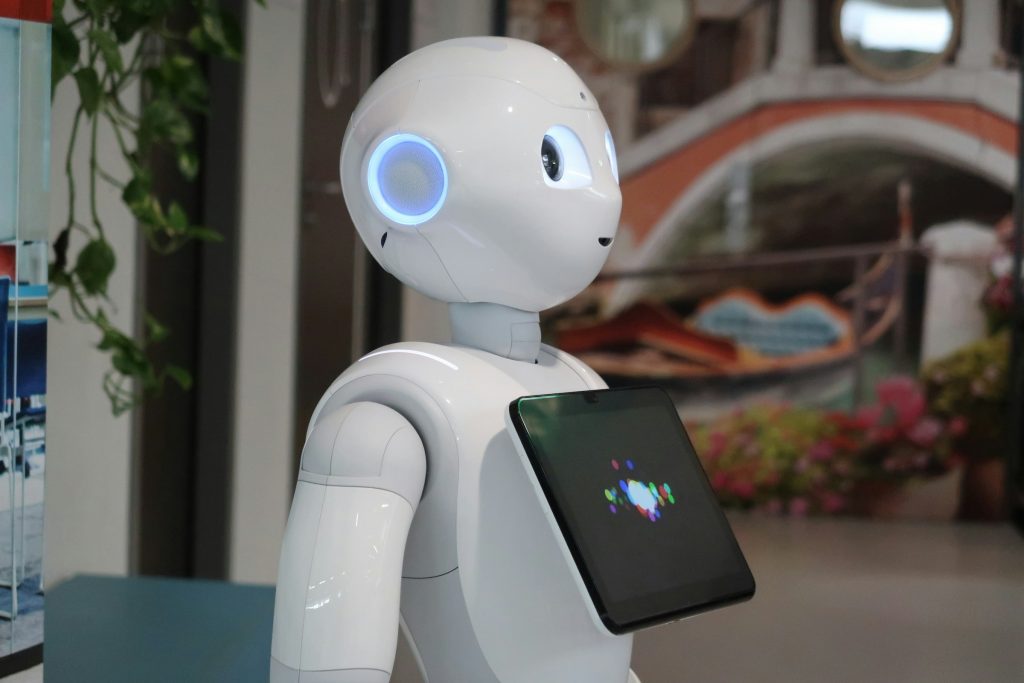
Healthcare systems worldwide are reaching a breaking point. With 80% of healthcare executives predicting hiring challenges and a projected shortfall of 10 million healthcare workers across the EU and USA by 2030, the staffing crisis is no longer a distant threat, it is a pressing reality. The impact is visible across every hospital and clinic: overworked staff, rising burnout, and patient care stretched beyond safe limits. What once seemed like a slow-moving challenge is now an urgent call for change.
In this complex scenario, artificial intelligence and automation are no longer experimental tools but practical solutions. These technologies step in where human capacity falls short, streamlining administrative work, supporting diagnostics, and even assisting with treatment decisions. By taking on repetitive or time-consuming tasks, AI allows medical teams to focus on what truly matters: patient interaction and critical care. Instead of replacing professionals, it improves their ability to deliver quality outcomes.
Most importantly, AI and automation open the door to a new vision of healthcare, one that is efficient, scalable, and still deeply human-centered. More than just reducing workload, these innovations promise to improve patient safety, increase accuracy, and create more resilient healthcare systems. As the sector faces one of the greatest workforce challenges in modern history, technology is not just an option, it is becoming the foundation for a sustainable future in care delivery.

Smarter Health, Better Lives. Photo by Vitaly Gariev on Unsplash: https://unsplash.com/photos/doctor-shows-patient-medical-scan-on-tablet-6qN9yEK5k9U
The healthcare sector is facing one of its most challenging moments in modern history. Aging populations, rising chronic illnesses, and the lingering effects of the pandemic have intensified demand for medical services, while many experienced professionals are stepping away from the workforce. Clinics and hospitals alike are feeling the strain, and the pressure on staff is palpable in both urban centers and rural communities.
The consequences go beyond numbers. Extended shifts, constant interruptions, and the weight of life-or-death decisions take a toll on both mental and physical well-being. Burnout is no longer an isolated issue, it shapes the daily experience of countless healthcare workers. As systems struggle to maintain standards of care, the human cost of understaffing becomes painfully visible.
This crisis also presents a chance for reflection and innovation. Healthcare leaders are being pushed to rethink workflows, foster stronger team support, and embrace technologies that can relieve repetitive tasks. More than just efficiency, there is an opportunity to cultivate a work environment that prioritizes sustainability and human connection. In navigating these challenges, the sector can discover not only new solutions but also a renewed sense of purpose in the mission to care for others.
The impact of workforce shortages goes far beyond inconvenience. Overstretched teams are more prone to burnout, absenteeism, and turnover, triggering a vicious cycle that further depletes staff. Patient outcomes suffer, studies show that higher nurse-to-patient ratios lead to more errors, longer hospital stays, and lower satisfaction.
Financially, the strain is enormous. Overtime, temporary staffing, and recruitment costs balloon, eating into already tight budgets. Hospitals may be forced to limit services, close units, or delay new programs. For many, the pressure to “do more with less” feels unsustainable, and morale plummets as professionals struggle to keep pace.
These pain points underscore the urgent need for operational innovation. With AI and automation tools that can relieve administrative burdens, streamline workflows, will allow clinicians to focus on what matters most... the patient care.
AI and automation are transforming every corner of healthcare operations. From virtual assistants that triage patient questions to robotic process automation (RPA) that handles billing and scheduling, these technologies offer a lifeline to resource-strapped organizations.
Unlike previous waves of tech adoption, today’s AI tools are adaptive, user-friendly, and capable of integrating with legacy systems. They’re not about replacing human expertise, they’re about augmenting it. By automating routine or repetitive tasks, AI frees up clinicians’ time for complex decision-making and direct patient engagement.
Forward-thinking health systems are already seeing results: faster turnaround times, fewer errors, happier staff, and improved patient satisfaction. As the technology matures, the potential to close staffing gaps grows even greater.
AI-powered virtual assistants are quickly becoming essential members of the healthcare team. These digital colleagues handle everything from appointment scheduling and reminders to answering common patient queries, guiding users through pre-visit checklists, and even collecting patient histories.
The impact is immediate: administrative staff can focus on higher-level issues, nurses spend less time on the phone, and physicians are better prepared for each visit. Virtual assistants also improve patient experience by providing 24/7 access to information, no more waiting on hold or navigating confusing phone trees.
For overstretched clinics and hospitals, virtual assistants aren’t just a convenience, they’re a necessity that helps ensure operational continuity when human resources are scarce.
让我们一起创造非凡。
Lasting Dynamics 提供无与伦比的软件质量。
Robotic process automation (RPA) is revolutionizing back-office operations in healthcare. RPA bots can process insurance claims, manage billing and coding, handle supply chain logistics, and update electronic health records (EHRs), all with greater speed and fewer errors than manual processes.
In clinical settings, automation tools flag abnormal lab results, send medication reminders, and track patient progress. AI-driven diagnostic support can analyze radiology images, identify potential risks, and prioritize cases for review, enabling clinicians to work smarter with limited resources.
The result: streamlined workflows, reduced administrative overhead, and more time for direct patient care. Automation doesn’t just fill staffing gaps, it empowers clinicians to work at the top of their license.

Efficient scheduling is a linchpin in managing staffing gaps. AI-based platforms can match shift assignments to predicted patient volumes, staff skillsets, and even individual preferences, minimizing conflicts and absenteeism.
These systems use real-time data from admissions, discharges, and census trends to make dynamic adjustments. If a department is suddenly short-staffed, the platform suggests the best reallocation of personnel or triggers a call for temporary help.
For healthcare leaders, this translates to more predictable coverage, higher staff satisfaction, and the ability to respond quickly to unexpected surges in demand, without burning out their teams.
Telemedicine and remote patient monitoring have exploded in recent years, and AI is at the heart of their success. Virtual care platforms allow clinicians to consult, diagnose, and follow up with patients remotely, dramatically expanding the reach of limited staff.
AI-powered tools review patient-generated data from wearables and home devices, flagging those who need intervention and automating routine check-ins. This approach reduces unnecessary in-person visits, keeps vulnerable populations safer, and allows clinicians to prioritize patients who need immediate care.
In a world where every staff hour counts, virtual care supported by AI is not just a stopgap, it’s a sustainable model for delivering care at scale.
Advanced analytics are helping healthcare organizations forecast demand, anticipate surges, and plan staffing accordingly. AI models factor in historical data, seasonal trends, public health alerts, and even local events to predict patient flow and acuity.
This enables managers to proactively adjust schedules, hire temporary staff, or cross-train existing employees. Predictive insights also inform supply chain management, ensuring critical resources are available when needed.
With staffing shortages likely to persist, predictive analytics offer a way to stay ahead, ensuring patients get timely care while staff workloads remain manageable.
A common worry is that automation will make healthcare less personal. In reality, well-designed AI tools free up clinicians to spend more time with patients, not less. By removing paperwork and routine tasks, staff can focus on building relationships, providing education, and delivering compassionate care. Instead of replacing the human element, technology acts as a support system that strengthens it.
AI also supports diversity and inclusion by standardizing processes, reducing bias in scheduling and hiring, and ensuring more equitable access to services. Automated triage systems, for instance, can help reduce disparities in care delivery by applying consistent criteria, while recruitment tools can minimize unconscious bias in workforce development. These improvements reflect the broader role of AI in creating healthcare systems that are fairer and more accessible.
The goal isn’t to replace the human touch, but to elevate it, making healthcare more responsive, efficient, and humane. Clinicians who embrace AI as a partner can provide higher-quality care without losing the empathy that defines their profession. By pairing technological innovation with compassion, healthcare organizations can achieve the best of both worlds, operational excellence and deeply human patient experiences.
Healthcare data is among the most sensitive in any industry, and the rise of AI and automation only heightens the responsibility to protect it. Systems must adhere to strict regulatory frameworks such as HIPAA in the United States and GDPR in Europe, ensuring patient privacy is safeguarded at every stage. Technical measures like encryption, multi-factor access controls, and continuous security audits are no longer optional, they are the foundation of trust in digital health.
Aside from security, ethical design is essential. AI algorithms should be transparent and explainable, giving clinicians and patients clarity on how recommendations or decisions are made. Regular testing for bias helps prevent inequalities in care delivery, while governance structures ensure accountability if errors occur. Patients and staff alike deserve confidence that AI systems are not only accurate but also fair and respectful of human dignity.
从创意到发布,我们根据您的业务需求量身打造可扩展的软件。
与我们合作,加速您的成长。
Compliance, security, and ethics form a shared responsibility between technology providers and healthcare organizations. Leaders must demand transparency from vendors, invest in training to raise digital literacy among staff, and establish clear channels for feedback and recourse. Those who balance innovation with ethical and regulatory rigor will set the standard for responsible AI adoption in healthcare.
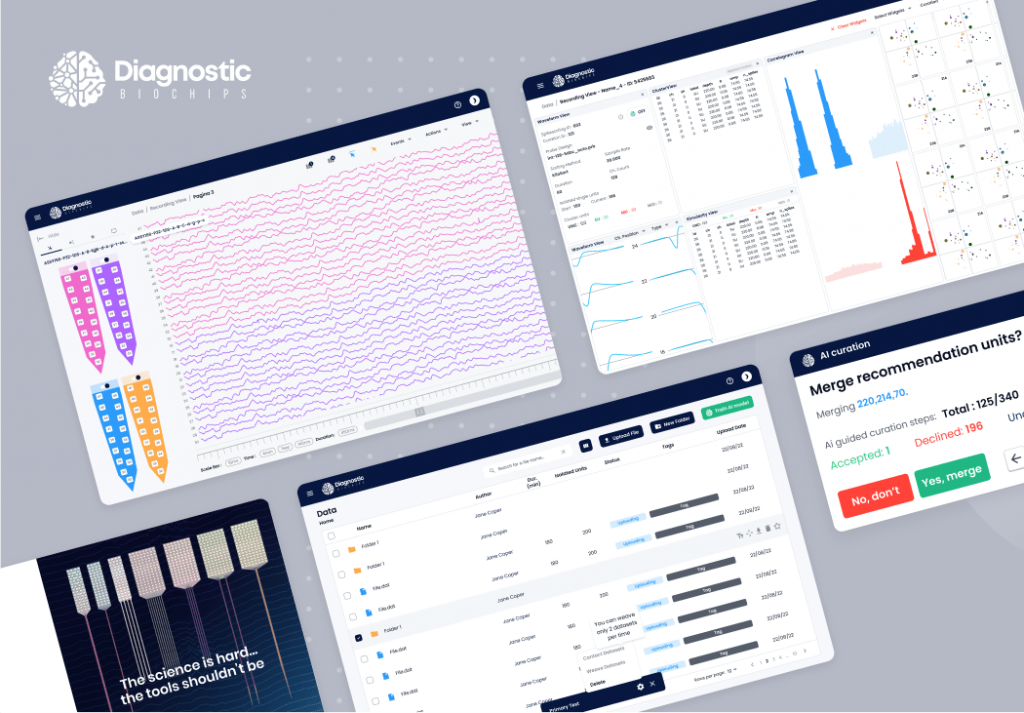
At Lasting Dynamics, AI is one of our core pillars, we don’t just see it as a tool, but as a way to transform how healthcare works. One of our proudest collaborations has been with Diagnostic Biochips. Together we built the DBC Cloud platform to help researchers handle the overwhelming volume of neuroscience data. What used to take months of manual curation was reduced dramatically with our AI-powered spike sorting and batch processing tools. By cutting the process by more than 80% and enabling easier data sharing, we helped scientists focus less on managing data and more on making discoveries.
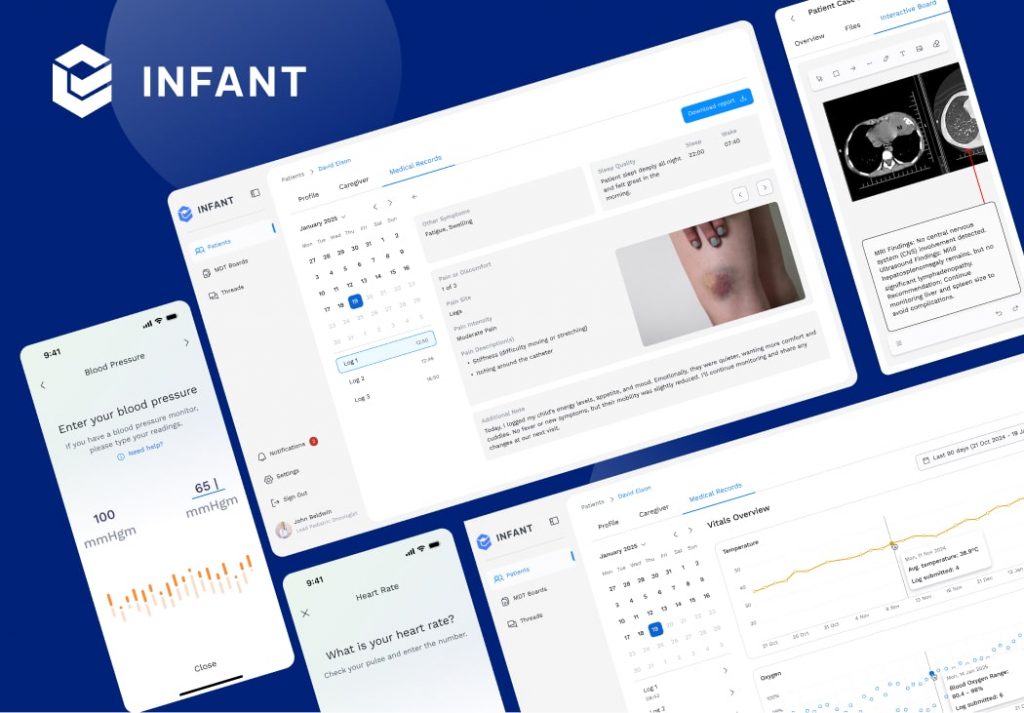
Another project very close to our hearts is 婴儿, one of our most recent and impactful works. This intelligent system was designed to support pediatric oncology by improving treatment coordination and reducing unnecessary hospital visits. With real-time AI models that track disease progression and assist doctors in their decisions, INFANT makes care more efficient, more responsive, and most importantly, more compassionate for children and their families.
We believe technology should always serve people, not the other way around. That’s why we put so much effort into healthcare projects, because we believe everyone deserves dignified health. The only way to build a better world is to work every day to make it better. If you’d like to see more of our work in this area, we invite you to explore our healthcare section, where we share stories of projects like Diagnostic Biochips, INFANT, OMNE, and more.
Looking to 2030 (considering 2026 to be the time of this article), the healthcare workforce will be more digital, agile, and multidisciplinary. As AI takes on more routine work, staff will need new skills, data literacy, system management, and digital communication.
Forward-thinking organizations are already investing in upskilling programs, training nurses and doctors to work alongside AI and leverage automation effectively. Universities and professional associations are updating curricula to reflect this shift, preparing the next generation for a blended human-digital workplace.
For patients, this evolution means faster, more accurate, and more accessible care. For providers, it offers a way out of the workforce crisis, a sustainable model where technology and humanity work together. If you want to learn more about the benefits of automation and AI in healthcare, explore our articles about Emergency Healthcare 和 AI and Personalization.
The healthcare staffing crisis is real and urgent, but it is not insurmountable. By embracing AI and automation, health systems can fill critical gaps, reduce burnout, and deliver better care, even in the face of daunting shortages. The key is to focus on solutions that empower, not replace, the human workforce, and to partner with experienced innovators who understand both the challenges and the potential of this transformation.
Technology alone, however, is not the best option. The most successful organizations will be those that combine digital tools with cultural change, fostering environments where staff feel supported, valued, and equipped to adapt to new ways of working. Training, transparency, and collaboration must go hand in hand with innovation to ensure that AI serves as an ally rather than a source of disruption. In short words, AI is good, but only when humans are part of it, will shine.
The future of healthcare will depend on striking the right balance between human compassion and technological efficiency. AI and automation are not about diminishing the role of clinicians, but about giving them the time and resources to do what they do best, care for people.
Is your organization ready to bridge the healthcare staffing gap with smart AI and automation? 👉 联系 Lasting Dynamics today to discover solutions that empower your team, boost efficiency, and deliver better care, now and for the future.
我们设计并打造脱颖而出的高品质数字产品。
每一步都可靠、高效、创新。
Aging populations, increased chronic illness, and pandemic-driven burnout have led to a projected shortfall of 10 million workers in the EU/USA by 2030, most of executives expecting hiring challenges.
AI and automation reduce administrative workload, optimize scheduling, streamline workflows, and enable virtual care, letting staff focus on patient care and reducing burnout.
Key tools include virtual assistants, RPA for billing and documentation, predictive analytics for staffing, and AI-powered scheduling platforms.
No. AI is designed to support and augment staff, not replace them. It automates repetitive tasks, allowing clinicians to focus on complex, human-centric care.
By using solutions built with end-to-end encryption, strict access controls, and regular audits, partnering with trusted vendors to ensure compliance with HIPAA, GDPR, and other regulations.
将大胆的想法转化为强大的应用。
让我们一起创造出具有影响力的软件。

路易斯-兰伯特
我是一名多媒体设计师、文案和营销专家。我正在积极寻求新的挑战,以挑战自己的技能,实现职业成长。
