

打造卓越软件
让我们一起创造非凡。
Lasting Dynamics 提供无与伦比的软件质量。
路易斯-兰伯特
12 月 08, 2025 • 10 min read

AI is enabling the travel industry to align sustainability with profitability by optimizing flight operations (including contrail avoidance), reducing hotel food, energy, and water waste, and powering transparent ESG reporting. Core technologies—machine learning, IoT, predictive analytics, and automation—drive operational savings and better guest experiences, tracked through KPIs like CO2, energy, waste, cost, and ESG scores. Adoption challenges such as legacy systems, fragmented data, upfront investment, and change resistance are overcome with integration, strong change management, and clear measurement. Looking ahead, AI will personalize and proactively nudge greener choices while strengthening brand loyalty through transparent storytelling, with Lasting Dynamics showcasing and delivering these solutions in practice.
Travel has always promised adventure, connection, and discovery, but today, it also comes with a responsibility to the planet. As headlines about climate change and resource depletion become more urgent, travelers and businesses alike are rethinking the environmental cost of every journey. What once felt like a personal escape now carries a global impact, pushing the entire industry to adopt more responsible practices that can sustain both the planet and future generations of explorers.
The good news is that 人工智能 is emerging as a powerful ally in this transformation. From optimizing flight routes to slashing hotel food waste, AI-driven solutions are proving that technology can be a bridge between growth and responsibility. Airlines can reduce emissions with smarter scheduling, hotels can lower energy use with predictive systems, and tour operators can design experiences that are both memorable and mindful. Each innovation shows that sustainability is not a limitation but an opportunity to improve efficiency and value.
In this new era, travel can be both an engine for growth and a force for global good. The industry is learning that profitability and environmental care are not opposing goals, they can reinforce one another when guided by the right tools. By weaving AI into every stage of the journey, companies can meet the expectations of conscious travelers while securing their own long-term success. What emerges is a future where travel remains inspiring and accessible, while also protecting the very world it seeks to help us explore.

AI for a greener, smarter future.. Photo by Nothing Ahead on Pexels: https://www.pexels.com/photo/globe-in-green-leaves-4715450/
Sustainability is no longer a nice-to-have; it’s a core expectation from travelers, regulators, and investors. The travel industry, which accounts for roughly 8% of global carbon emissions, faces growing pressure to act. Airlines, hotels, and tour operators are being measured not only by the experiences they deliver but by the impact they leave behind.
Travelers themselves are voting with their wallets. Surveys reveal that a majority of Gen Z and millennial travelers prefer brands with strong environmental, social, and governance (ESG) commitments. This premium approach means that companies failing to adopt sustainable practices risk losing market share to more forward-thinking competitors.
AI offers a path to real, measurable change. By transforming how travel businesses operate, from smarter routes to energy-efficient buildings—AI is helping the industry shrink its footprint while increasing profitability and guest satisfaction. Sustainability and success are no longer at odds; with the right technology, they go hand in hand.
One of the travel sector’s biggest sustainability challenges is aviation emissions. Airlines are under pressure to reduce their carbon output without sacrificing efficiency or profitability. Enter AI: advanced algorithms now analyze weather, wind, and air traffic data to dynamically optimize flight paths.
A prime example is Project Contrails, as reported by Reuters, where AI helps airlines minimize contrail formation, those high-altitude clouds that contribute to global warming. By making subtle changes to altitude or route, AI can cut a flight’s climate impact without major cost increases. Airlines using these systems are reporting significant fuel savings and emission reductions
For passengers, these changes are invisible, but for the planet, they’re profound. As more carriers adopt AI-powered routing, the cumulative effect could slash millions of tons of CO2 annually, making every flight a little lighter on the earth.
Hotels are another major player in the travel ecosystem, with enormous potential for sustainable innovation. Traditional approaches to food and energy management often rely on guesswork, leading to overproduction, spoilage, and unnecessary utility costs.
AI is changing that narrative. Take the Iberostar Group, which has deployed AI to monitor food consumption patterns and predict demand more accurately. By adjusting kitchen output in real time, the chain has cut food waste by up to 28%, while also reducing costs and improving guest satisfaction.
Similar AI systems control heating, cooling, and lighting based on occupancy, weather, and guest preferences, delivering comfort while slashing energy bills. These solutions highlight a key theme, sustainable operations are often more efficient and profitable, with AI unlocking savings that benefit both the environment and the bottom line.
Environmental, social, and governance (ESG) standards have become central to business strategy. Investors now scrutinize travel companies’ sustainability metrics as closely as their financials. AI supports ESG commitments by providing real-time tracking, reporting, and benchmarking of emissions, water use, waste, and more.
Smart platforms aggregate data from across operations, flagging inefficiencies and helping leaders make evidence-based decisions. For example, AI can identify which hotel properties or flight routes are lagging behind sustainability goals, enabling targeted interventions.
Transparency is a powerful trust-builder for both guests and investors. Brands that can demonstrate their progress, backed by AI-driven analytics, stand out in a crowded market and are better positioned to attract eco-conscious customers and capital.
AI-driven sustainability isn’t just good for the earth, it’s good for business. Companies using AI to optimize routes, manage resources, and cut waste consistently report lower operating costs and higher margins. For airlines, every ton of fuel saved means thousands of dollars back to the bottom line.
Hotels, too, see direct financial benefit from reducing food waste, energy consumption, and water use. Predictive maintenance powered by AI can flag equipment issues before they become costly breakdowns, further reducing expenses.
These savings free up capital for reinvestment in guest experience, technology upgrades, or staff development—creating a virtuous cycle where sustainability, profitability, and innovation reinforce each other.
让我们一起创造非凡。
Lasting Dynamics 提供无与伦比的软件质量。
Despite the promise of AI, travel companies still face significant hurdles on the road to sustainability. Legacy systems, fragmented data, and organizational silos can slow down innovation and make it difficult to integrate new technologies. Many businesses also operate across multiple regions and departments, adding layers of complexity when trying to align systems or processes. For smaller operators, the challenge is even sharper, as limited resources can make it harder to keep pace with larger competitors already investing in digital infrastructure.
Another barrier is the upfront cost and effort required to implement AI-based solutions. More than just financial investment, companies must also dedicate time and talent to training teams, adapting workflows, and overcoming resistance to change. The value of sustainability initiatives often emerges gradually, and it can take months or even years before organizations see measurable results. This creates pressure for quick wins, which are not always realistic in the context of long-term transformation. Without patience and commitment, early setbacks risk derailing broader efforts.
Measurement and verification add yet another layer of complexity. Not all sustainability gains are immediately visible, and some, such as reduced contrail formation or lower food waste, require advanced tracking methods to quantify accurately. If reporting is inconsistent or unclear, efforts can lose credibility with stakeholders who demand transparency. To navigate these challenges, industry leaders emphasize integration, collaboration across departments, and building a culture that embraces innovation.
To prove the value of AI-driven sustainability, companies must track clear, actionable metrics that reflect both environmental outcomes and operational improvements. More than just simply showing compliance or meeting targets, these metrics help organizations understand where AI is making the most difference, identify areas for optimization, and communicate tangible results to stakeholders.
Well-chosen KPIs turn abstract sustainability goals into measurable actions, allowing teams to prioritize interventions, allocate resources effectively, and demonstrate the real-world benefits of technology investments:
By continually monitoring these metrics over time, organizations not only demonstrate real progress but also build a culture of accountability and learning. Tracking outcomes allows companies to refine strategies, scale successful initiatives, and respond quickly to new sustainability challenges. When combined with AI insights, these measurable results make it possible to show that eco-friendly operations can be efficient, profitable, and genuinely impactful, benefiting both the planet and the business.
Even the best technology needs the right mindset to succeed. Many organizations face resistance from staff or stakeholders who are skeptical of new systems, worried about additional costs, or uncertain about the complexity of AI and sustainability initiatives. Without proper guidance, these doubts can slow implementation, reduce adoption, and limit the overall impact of sustainability programs. Recognizing these challenges early and addressing them through structured change management is therefore essential for lasting success.
Change management should focus on training, consistent communication, and clear accountability across all levels of the organization. Leaders can foster engagement by celebrating quick wins, demonstrating tangible personal and organizational benefits, and involving employees directly in sustainability initiatives. Providing opportunities for staff to contribute ideas, participate in pilot projects, and see the outcomes of their actions helps transform abstract goals into concrete, meaningful achievements.
With a strong commitment to continuous improvement, companies can gradually turn initial resistance into lasting engagement, pride, and a genuine culture of sustainability. When employees understand the “why” behind initiatives, see the results, and feel empowered to contribute, sustainability becomes more than a compliance requirement—it becomes an integrated part of the organization’s identity and long-term strategy.
Today’s travelers aren’t just looking for great deals, they want to support brands that align with their values. Sustainability initiatives powered by AI provide concrete examples of positive change that companies can share through marketing, social media, newsletters, and annual reports. By showing real actions, organizations can make their environmental and social efforts understandable and engaging for a wide audience.
从创意到发布,我们根据您的业务需求量身打造可扩展的软件。
与我们合作,加速您的成长。
Whether it’s a hotel reducing food waste, a resort cutting energy use, or an airline optimizing its routes to lower emissions, these stories build trust and help brands stand out in a competitive market. The key is transparency: openly sharing both successes and challenges shows customers that the company is committed, honest, and continually learning.
AI doesn’t just make sustainability possible, it makes it visible and relatable. By turning data and results into clear narratives, companies can inspire confidence, strengthen relationships, and foster loyalty. When customers see the tangible impact of their choices, they feel part of the journey, turning everyday decisions into meaningful support for sustainable travel.
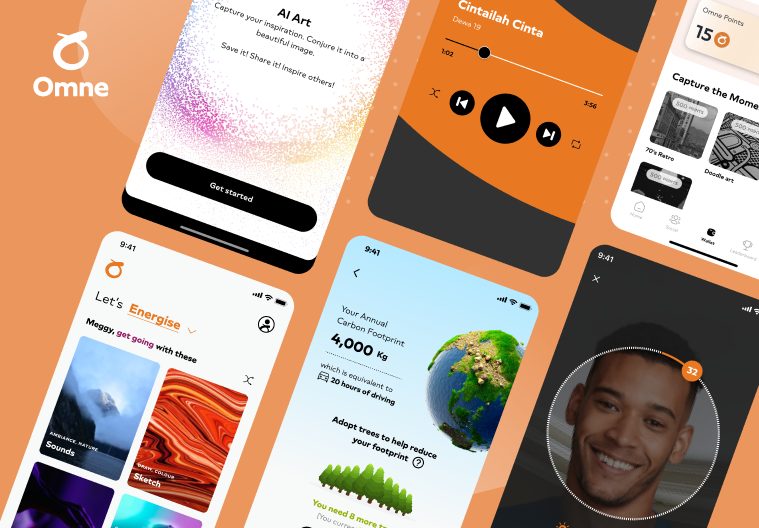
At Lasting Dynamics, we create software and AI solutions that help businesses and communities act more sustainably. Shakadabra is one example, a marketplace app that connects users with local experiences, encouraging engagement with low-impact activities. OMNE is a 360° lifestyle and insurance app that combines policy management with health, content, and rewards, keeping users engaged while reducing redundancy and inefficiency across multiple platforms.
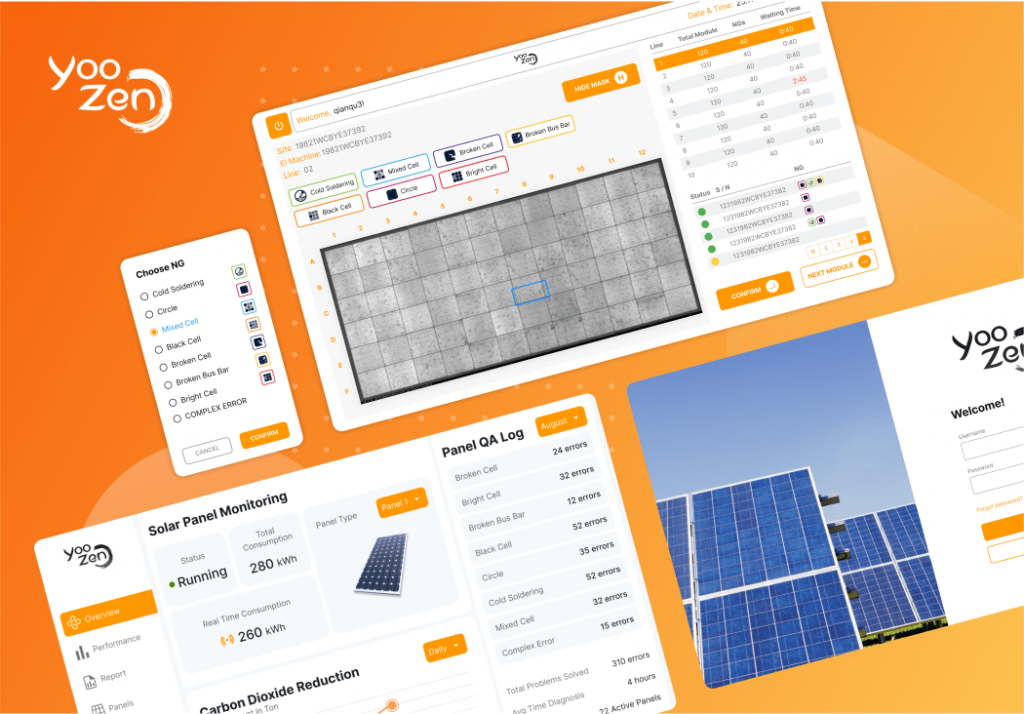
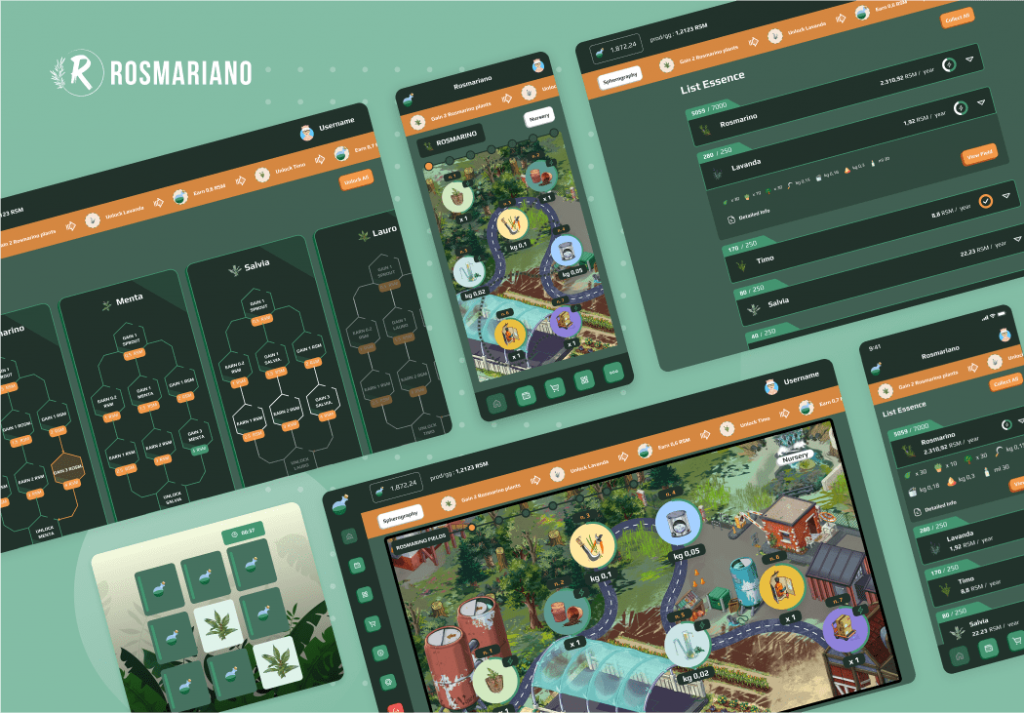
We also work on projects like Yoozen 和 Rosmariano, which highlight how AI and creativity can make a direct environmental impact. Yoozen uses AI-powered image recognition to detect defects in solar panels during manufacturing, helping reduce waste and improve energy efficiency. Rosmariano mixes digital gaming with real-world agriculture, players care for virtual plants that correspond to real seedlings, and leftover materials are recycled into eco-friendly 3D-printing resources.
For us, these examples are just part of a larger vision: using AI and software to help businesses operate more responsibly, reduce waste, and create positive impact. If you want to learn more about how we approach sustainability and see additional case studies, you can explore the sustainability section on our website.
Looking forward, the next wave of travel sustainability will be deeply personalized and proactive. AI will allow brands to tailor eco-friendly experiences to individual preferences, suggesting greener itineraries, recommending low-carbon activities, or offering incentives for sustainable choices.
AI will also enable real-time nudges: alerting guests to reuse towels, choose plant-based meals, or participate in local conservation efforts. These proactive, personalized touches don’t just reduce impact, they create memorable, values-driven experiences that strengthen brand loyalty.
As technology advances, the possibilities for sustainable travel will expand, empowering every traveler and company to be part of the solution.
AI is rewriting the rules of travel, showing that sustainability and profitability do not have to be in conflict. From optimizing flight paths to reducing hotel food and energy waste, AI tools allow companies to act more efficiently while leaving a smaller environmental footprint. These technologies help travel businesses meet rising customer expectations for responsible practices without sacrificing quality or convenience.
More than just operational improvements, AI also opens new opportunities for transparency and storytelling. Companies can share measurable results, highlight successes, and communicate lessons learned, creating trust and loyalty among travelers. By turning data into relatable narratives, sustainability becomes something tangible that customers can understand and support, making every journey a chance to reinforce brand values.
The road ahead will require ongoing investment, innovation, and the willingness to challenge traditional ways of working. But the potential rewards are substantial: a travel industry that is greener, more resilient, and more profitable, where technology, people, and the planet benefit together. With thoughtful adoption, AI can help ensure that future travel is both inspiring and responsible.
我们设计并打造脱颖而出的高品质数字产品。
每一步都可靠、高效、创新。
Ready to make your travel business more sustainable, and more successful? 👉 联系 Lasting Dynamics today to discover how AI can help you optimize operations, delight your guests, and build a better world with every journey.
AI optimizes flight routes, reduces hotel food and energy waste, and provides real-time ESG tracking, making travel operations greener and more efficient.
Project Contrails uses AI to optimize flight paths and reduce contrails, while hotel chains like Iberostar leverage AI to minimize food waste and energy use.
AI-driven sustainability leads to lower costs, higher margins, improved customer loyalty, and compliance with ESG standards.
Key metrics include CO2 emissions, energy and water usage, food waste reduction, cost savings, and ESG scoring.
We design and deploy AI solutions that optimize operations, reduce environmental impact, and drive measurable business results.
将大胆的想法转化为强大的应用。
让我们一起创造出具有影响力的软件。

路易斯-兰伯特
我是一名多媒体设计师、文案和营销专家。我正在积极寻求新的挑战,以挑战自己的技能,实现职业成长。
