

打造卓越软件
让我们一起创造非凡。
Lasting Dynamics 提供无与伦比的软件质量。
路易斯-兰伯特
1 月 11, 2026 • 10 min read
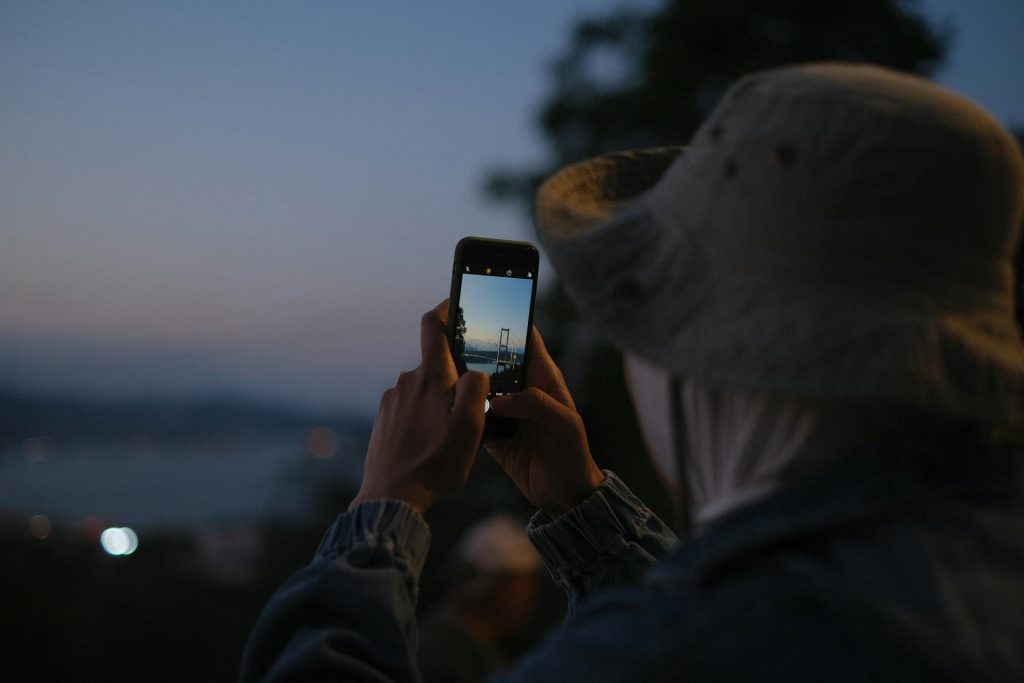
In 2026, travel isn’t just about going places, it’s about how you experience them. Smart tech is reshaping exploration, making trips more personal, flexible, and immersive than ever before. With tools like AR and VR, interactive storytelling, and self-guided tour apps, travelers can design journeys on their own terms. This shift reflects what people want most today: freedom, deeper connections, and experiences tailored to them rather than pre-packaged for everyone.
Self-guided tours are at the heart of this movement. Imagine walking through an ancient city while your phone or headset brings hidden stories to life, or exploring a museum at your own pace with an app that adapts to your interests. These innovations let travelers feel in control without losing the magic of discovery. Instead of following a rigid itinerary, people can follow their curiosity, turning every trip into something unique.
Far from replacing human adventure, technology is helping unlock it. The rise of immersive, self-guided experiences shows how digital tools can add richness, not restrictions, to travel. For the industry, this means new opportunities to engage visitors in meaningful ways. For travelers, it means journeys that feel more authentic, personal, and memorable, one step, one story, one choice at a time.

Adventure at your own pace with self-guided tours. Photo by Leeloo The First on Pexels: https://www.pexels.com/photo/eyeglasses-and-cup-of-coffee-on-the-table-8938726/
In the 2010s, travel was still ruled by guidebooks, group tours, and long lines at ticket booths. Tourists booked tickets through agencies or spent hours researching on forums and travel blogs. Guided tours were popular, but often felt rigid or rushed, with little time for personal exploration. Audio guides were sometimes available at museums, but they were clunky and limited.
Mobile technology was on the rise, but most travel apps were focused on practical needs, maps, translations, or booking accommodations. Few provided rich, location-based storytelling or interactive content. Social media began to influence travel choices, but sharing was mostly about photos, not immersive experiences.
The 2010s set the stage for today’s revolution by building digital habits and expectations, but the real leap has happened in the years since.
As smartphones became more powerful and reliable, travelers started to expect more control and flexibility. The desire to go at your own pace, skip the crowds, and discover hidden gems led to a growing interest in self-guided options. Many people found traditional tours too generic, and wanted experiences that matched their interests, whether that meant food, history, art, or adventure.
The COVID-19 pandemic accelerated this trend by making travelers wary of large groups and more eager for outdoor, distanced, or solo activities. Technology providers responded by launching new platforms and tools that let people create, customize, and share their own routes and stories.
The need for self-guided tours grew organically from these demands. Today, immersive, tech-driven tours are not just a convenience, they’re a preferred way to travel for a new generation.
Traditional tourism often struggled to keep up with the pace and diversity of modern travelers. Self-guided tours are the logical next step because they allow for ultimate freedom, whether you want to linger at a monument, dive deep into local culture, or skip ahead to your favorite spots.
The rise of smart tech means travelers can access expert-level information on demand, without needing to follow a rigid schedule. Mobile apps, AR overlays, and audio storytelling deliver insights exactly when and where you want them. This makes travel more enjoyable, less stressful, and more meaningful.
As people crave authentic experiences and independence, self-guided travel offers the perfect blend of adventure and comfort, powered by technology that adapts to every traveler’s style.
Immersive tech is transforming travel from a passive activity to a truly interactive adventure. Augmented reality (AR) apps overlay historical facts, art, or local legends on real-world sights through your phone’s camera. Virtual reality (VR) lets you preview destinations or explore places you might never reach in person.
Museums and cities now use AR to bring exhibits or landmarks to life. For example, holding up your phone at an ancient ruin might show you a 3D reconstruction of what it looked like centuries ago. Some tours even use gamified AR scavenger hunts, making learning fun for all ages.
These technologies are making travel more engaging, memorable, and accessible, especially for those who want to go beyond the usual tourist trail.
Everyone travels for different reasons, and smart tech is finally catching up to that reality. Today’s immersive tour platforms use data and user input to personalize routes, recommend hidden spots, and suggest content based on your interests and pace.
Whether you’re a foodie, a history buff, or an art lover, self-guided apps can curate the perfect day. You might get notifications about a local festival, a must-try restaurant, or a nearby mural just when you’re steps away.
Personalization isn’t just about convenience; it’s about building a journey that feels truly your own. This level of customization keeps travelers engaged and makes every trip unforgettable.

Discover more, on your terms. Photo by Leah Newhouse on Pexels: https://www.pexels.com/photo/woman-looking-at-the-map-3935702/
让我们一起创造非凡。
Lasting Dynamics 提供无与伦比的软件质量。
One of the most exciting tech trends in tourism is the rise of platforms like STQRY, which empower locals to share their own stories and insights. These apps turn cities into living museums, letting users access audio guides, videos, and written tales from historians, artists, and everyday residents.
Local storytelling platforms help travelers connect with a destination’s real character. Instead of hearing the same old facts, you get perspectives that are personal, authentic, and often surprising. Community-driven content also supports local economies and preserves cultural heritage.
For destinations, these platforms are a way to stand out, and for travelers, they’re a ticket to deeper, more meaningful adventures.
Travel tech isn’t just about information, it’s about making exploration fun and rewarding. Gamification is being used to add layers of engagement to self-guided tours. Think interactive quizzes at each stop, digital badges for completing routes, or leaderboards that encourage friendly competition.
Features like AR treasure hunts or location-based challenges appeal to all ages, turning a simple walk into an adventure. Many platforms also let users collect digital souvenirs or unlock hidden content by exploring off the beaten path.
This playful approach keeps tourists motivated, helps them learn more, and creates memorable moments that are easy to share on social media.
Self-guided, immersive tours provide real advantages for everyone involved. For travelers, the biggest benefit is freedom: you decide what to see, how long to stay, and how deep to dive into each experience. There’s also less pressure, more flexibility, and often a lower cost compared to traditional group tours. This independence allows each journey to feel personal, shaped around curiosity rather than a rigid schedule.
For destinations, the value is equally strong. These tours help spread visitors more evenly, easing crowding at popular landmarks and encouraging exploration of lesser-known areas. By guiding people toward hidden gems, immersive tours bring new opportunities for local shops, restaurants, and communities that might otherwise be overlooked. This balance helps protect historic sites from overuse while keeping tourism vibrant and profitable.
Ultimately, self-guided tours are more than just convenient, they’re a path toward a better travel ecosystem. By embracing smart tech, travelers enjoy richer experiences, while destinations create sustainable, inclusive growth. When freedom and responsibility go hand in hand, everyone benefits.

Self-guided tours bringing new experiences for any traveler. Photo by Leah Newhouse on Pexels: https://www.pexels.com/photo/close-up-of-pictures-185933/
While immersive tech opens exciting new doors, it also brings challenges. Not every traveler is comfortable using new apps, and not every destination has the digital infrastructure to support them. Issues like language barriers, device compatibility, and unreliable internet can all stand in the way of a smooth experience. If left unaddressed, these gaps risk leaving some travelers behind.
The good news is that smart design can solve many of these problems. Leading platforms focus on intuitive interfaces, offline functionality, and multilingual options so that anyone, regardless of age, language, or tech skills, can participate. Clear instructions, guided onboarding, and even simple design choices like larger icons or voice support can make a big difference in accessibility.
For destinations, investing in basics like reliable Wi-Fi, device rental programs, or partnerships with local tech providers helps bridge the gap. The goal is not just to showcase innovation but to make it truly inclusive. When immersive, self-guided tours are welcoming to all, they fulfill their promise of making travel more personal and more accessible for everyone.
从创意到发布,我们根据您的业务需求量身打造可扩展的软件。
与我们合作,加速您的成长。
The answer is rather simple. Millennials and Gen Z travelers are leading the shift toward immersive, self-guided tourism. They value independence, authenticity, and digital convenience. For these generations, travel is less about checking landmarks off a list and more about creating stories they can share, online or with friends, that reflect who they are. The ability to curate a journey that feels unique has become just as important as the destination itself.
Technology plays a natural role in this mindset. Younger travelers are quick to try new apps, comfortable navigating digital tools, and eager for experiences that feel different from traditional tours. Immersive, self-guided options provide exactly that: flexibility to explore solo or socially, while adding layers of interactivity that keep the experience fresh and engaging. For them, using a phone or headset isn’t a barrier to adventure, it’s part of how they connect with the world.
This generational trend is here to stay. As Millennials and Gen Z continue to shape the travel market, the demand for smart, personalized, and immersive tourism will only grow. Their preferences push the industry to innovate, ensuring that future travel experiences feel more tailored, authentic, and meaningful for everyone, not just the younger crowd.

At Lasting Dynamics, we’ve always believed that technology should make life more engaging and personal and travel is no exception. Our work with OMNE shows how digital tools can empower people to take control of their own journeys, whether that means lifestyle choices or exploring new destinations. The same mindset applies to self-guided tours: freedom, personalization, and the ability to move at your own pace.
Shakadabra takes this vision a step further by reshaping how experiences are discovered and shared. It connects travelers with unique activities, while AI helps providers tell better stories and video reviews capture the authenticity of each adventure. Instead of following a rigid path, travelers can explore on their own terms and uncover hidden gems,an approach that feels closer than ever to the spirit of immersive, self-guided tours.
As technology continues to transform tourism, one thing is clear: the most memorable journeys are the ones we create ourselves. At Lasting Dynamics, we make sure every project we build leverages the full potential of innovation. If you’re curious to see more of our work in finance, lifestyle, travel, and beyond, visit our client section to explore how we bring ideas to life.
Looking ahead, the future of immersive tourism is set to become even smarter. 人工智能 will be central to this change, helping tours adapt in real time by predicting traveler interests and suggesting experiences that match personal tastes. Imagine walking through a city while your AI guide learns from your choices, offering hidden cafés if you love food, or architectural gems if design excites you.
New interfaces will also play a big role. Voice interaction, hands-free navigation, and wearable integration will make digital tools feel seamless and intuitive. Destinations, on their side, will leverage data not just for crowd management but to craft experiences that feel unique to each visitor. The line between digital and physical exploration will continue to blur, turning every walk, museum visit, or hike into something interactive and personalized.
For both travelers and destinations, this next era of tourism is about connection and creativity. Smart tech won’t replace the thrill of discovery, it will amplify it. The promise is simple but powerful: every adventure can be uniquely yours, shaped in the moment, and remembered as something no one else experienced in quite the same way.
我们设计并打造脱颖而出的高品质数字产品。
每一步都可靠、高效、创新。
Immersive, self-guided tours powered by smart tech have changed travel for good. They give people the freedom to explore at their own pace, while adding layers of personalization and discovery that make every trip unique. What once felt like a rigid itinerary now feels like an open map, where technology increases curiosity instead of limiting it.
For destinations and businesses, this shift is just as meaningful. Embracing these tools not only improves storytelling, it also supports more balanced tourism by spreading visitors across places and times, reducing pressure on crowded spots. It’s a chance to share culture and history in ways that feel engaging, accessible, and tailored to each traveler, no matter their background or style.
As technology keeps evolving, one thing is clear: the future of travel will be more personal, more connected, and more immersive. The best journeys are no longer the ones someone else plans for us, but the ones we shape ourselves, with a little help from innovation guiding the way.
Ready to make your destination or business stand out with immersive, self-guided travel experiences? 👉 联系 Lasting Dynamics today to design, build, and launch smart tourism tech that delights visitors and sets you apart for 2026.
An immersive, self-guided tour uses smart tech (like apps, AR, or audio) to let travelers explore at their own pace, with interactive content tailored to their interests.
Travelers want more freedom, flexibility, and authentic experiences, and self-guided tours deliver, especially with today’s powerful mobile technology.
Key tools include mobile apps, AR/VR, GPS, audio storytelling, and cloud content platforms often combined for seamless user experiences.
Yes! Leading platforms focus on intuitive design, multilingual support, and offline features to make experiences easy for everyone.
Destinations can spread out tourism, support local voices, and offer richer experiences, all while collecting valuable data to improve future offerings.
将大胆的想法转化为强大的应用。
让我们一起创造出具有影响力的软件。

路易斯-兰伯特
我是一名多媒体设计师、文案和营销专家。我正在积极寻求新的挑战,以挑战自己的技能,实现职业成长。
