

打造卓越软件
让我们一起创造非凡。
Lasting Dynamics 提供无与伦比的软件质量。
路易斯-兰伯特
11 月 26, 2025 • 10 min read

Travel has always reflected the changing world, but never has the pace of transformation been as rapid as it is now. The pandemic disrupted global tourism, forcing businesses to rethink safety, convenience, and the very nature of hospitality. As borders reopened, travelers returned, but with new expectations shaped by technology and a heightened awareness of health and sustainability.
Today, 数字化转型 sits at the heart of every travel experience. From AI-powered booking systems and personalized itineraries to smart hotels and seamless payment solutions, technology is redefining how people explore the world. Travelers no longer settle for one-size-fits-all services; they seek tailored experiences that blend comfort, security, and authenticity, delivered through digital tools that feel intuitive and reliable.
For travel professionals, this shift brings both challenges and opportunities. Those who embrace technology can unlock efficiency, build stronger customer relationships, and stay ahead in a hypercompetitive market. Ignoring it, however, risks falling behind in an industry where adaptability is no longer optional but essential. Today, we explore some powerful trends revolutionizing tourism in the digital era and how industry leaders can adapt for a new era of travel.

Digital tools, unforgettable travels. Photo by Lara Jameson on Pexels: https://www.pexels.com/photo/still-life-with-notebook-and-pined-map-8828439/
The pandemic brought hygiene and safety to the forefront of travel experiences. Suddenly, every touchpoint became a potential concern, prompting travel companies to accelerate the adoption of contactless technologies. Airports introduced biometric check-ins, digital boarding passes, and self-service kiosks to minimize face-to-face interactions. Hotels rolled out mobile room keys, online check-in, and digital payments, creating seamless journeys from arrival to departure.
This shift wasn’t just about crisis response, it permanently elevated traveler expectations. According to recent studies, most travelers now prefer destinations and providers that make health and safety effortless through technology. Touchless payment systems, automated cleaning robots, and digital concierge services are no longer futuristic novelties; they have become the baseline for trust and convenience in modern tourism.
For travel businesses, the move to contactless operations requires more than new hardware. It’s a holistic transformation that demands secure data flows, user-friendly interfaces, and constant communication with guests. Those who excel at delivering invisible safety through technology are setting themselves apart in a competitive, experience-driven market.
Artificial intelligence has moved from the back office to the heart of the travel experience. Major airlines, OTAs, and hotel chains are leveraging AI to analyze vast data sets, preferences, travel history, real-time conditions, to create truly personalized recommendations. One striking example is Expedia’s integration of OpenAI’s ChatGPT, which allows travelers to receive dynamic, conversational trip planning guidance, making the process faster and more intuitive than ever before (this is incredible, showcasing the power of AI in recent times).
Personalization is no longer a luxury, it’s an expectation. Everyone wants something made just for them, from a simple meal (even the cereal's box) to unforgettable experiences. AI-driven chatbots handle customer queries around the clock, while smart algorithms suggest destinations, activities, and even dining options tailored to each user’s profile. This shift means travelers feel understood and cared for, which builds loyalty and increases conversion rates for providers.
Yet, implementing AI in travel is not without its challenges. Companies must balance innovation with privacy, ensuring data is collected and used responsibly. They must also train staff to work alongside AI, not as replacements, but as partners in delivering exceptional service. When done right, AI transforms not just how trips are booked, but how memories are made.
The barriers to entry in the travel industry have fallen dramatically thanks to digital platforms and cloud-based tools. Startups are reinventing the sector by offering hyper-specialized services, from virtual reality tours of ancient ruins to apps that connect travelers with authentic local experiences. These disruptors have challenged the dominance of traditional players, pushing the entire industry to innovate.
Established businesses are responding by investing in or partnering with agile tech startups to stay relevant. For example, hotel chains are integrating with third-party apps that offer curated city guides, real-time language translation, or last-minute booking options. This ecosystem approach creates a win-win: startups gain access to broader audiences and resources, while traditional brands gain fresh ideas and faster time to market.
The proliferation of new platforms has also empowered travelers. Booking, reviewing, and even customizing trips is now possible from a single mobile device. Recent studies show a high and growing reliance on mobile devices for travel: roughly 60% of online travel traffic now comes from mobile devices, and many travelers use phones at several stages of planning, research, booking and in-destination activities.
Internet of Things (IoT) technology is quietly transforming hotels, airports, and attractions into smarter, more responsive environments. Guests can now adjust room temperature, lighting, or entertainment systems with a tap on their phone. Smart hotel rooms remember guest preferences and automate comfort settings, making every stay unique. IoT-enabled luggage tags allow travelers to track their bags in real time, reducing anxiety and loss.
Aside from the hotel room, IoT devices are improving efficiency and safety. Sensors track occupancy for cleaning schedules, monitor air quality, and alert staff to maintenance needs before they become issues. Real-time translation devices break down language barriers, helping both staff and guests communicate more easily and authentically.
For travel businesses, the rise of smart hospitality offers both opportunities and challenges. While connected experiences delight guests and streamline operations, they also require robust cybersecurity measures and seamless integration with legacy systems. Success means designing IoT solutions that are invisible when they should be, but indispensable when needed.
The pandemic didn’t just change how people travel, it changed why. There is a growing demand for meaningful, sustainable experiences and for the flexibility to combine leisure with remote work. Travelers are seeking eco-friendly options, from carbon-neutral flights to hotels with green certifications and local sourcing. At the same time, this also proved the essential role of online work, showing not only how it can sustain industries in times of crisis, but also how it unlocks new possibilities for travel and lifestyle even beyond the pandemic itself.
Tourism businesses have responded by highlighting sustainability in their offerings, partnering with local communities, and using technology to track and communicate environmental impact. Mobile apps help tourists make greener choices, while booking platforms now feature filters for eco-friendly stays. This shift is more than a marketing trend; it reflects a deeper change in traveler values and priorities.
For the travel sector, balancing growth with responsibility is now a strategic imperative. Providers who embrace sustainability and remote-friendly options are tapping into new markets, building brand loyalty, and future-proofing their business for a new generation of global explorers.
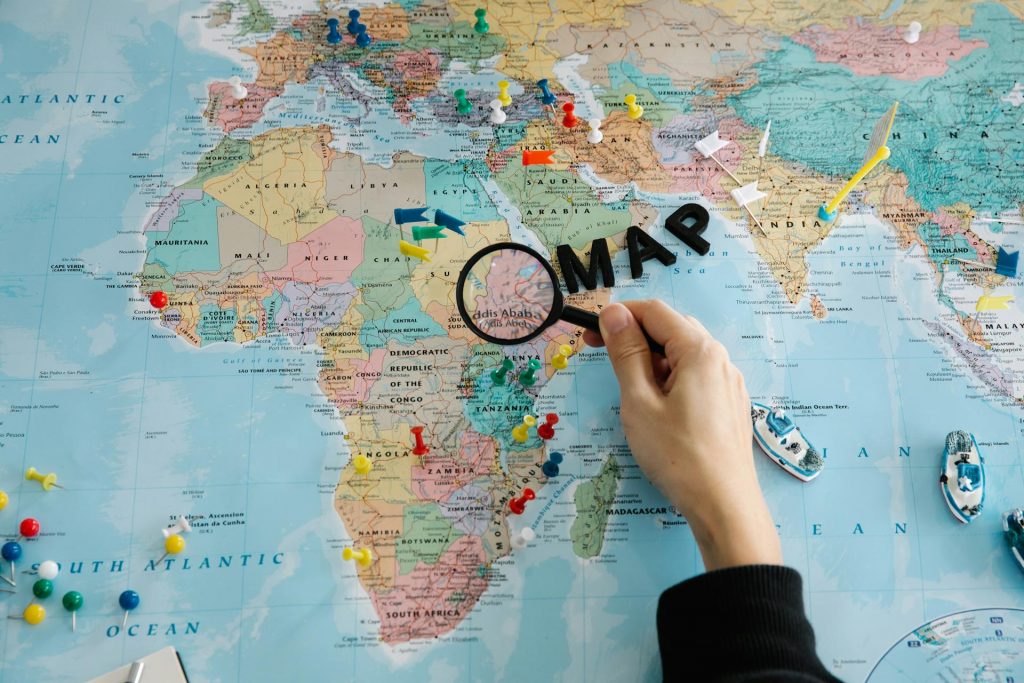
Innovation at every step of the journey. Photo by Lara Jameson on Pexels: https://www.pexels.com/photo/person-holding-magnifying-glass-8828423/
让我们一起创造非凡。
Lasting Dynamics 提供无与伦比的软件质量。
Travel professionals face a complex web of challenges in the post-COVID era. Rapid digitalization creates pressure to keep up with new tools while managing costs and legacy systems. Security concerns have grown, as more guest data is collected and stored online. The need for a seamless, mobile-centric experience is now universal, but delivering it across multiple platforms and languages is no small feat.
To address these issues, leading companies are investing in robust, cloud-based backends and partnering with experienced technology providers. Modular, API-driven tech stacks allow for faster integration and customization. Automated fraud detection and real-time monitoring tools help safeguard both company assets and traveler trust. Importantly, customer support is evolving, AI-powered chatbots, multilingual helpdesks, and unified communication platforms are now essential components of any modern travel operation.
By recognizing these pain points and proactively seeking digital solutions, travel businesses can turn obstacles into opportunities. Those who adapt quickly are not only surviving the industry’s upheaval, they are thriving in it.
Mobile has become the undisputed hub for travel planning and booking. With a great part of travelers relying on their smartphones for researching destinations, comparing prices, and securing reservations, a mobile-optimized presence is now table stakes for any provider. This extends beyond responsive websites to include dedicated apps, instant messaging, and even voice-activated assistants.
The modern traveler expects flexibility and speed. They want to book a last-minute hotel from the airport lounge, access digital boarding passes from their smartwatch, and receive real-time updates about their flights or reservations. Multichannel engagement means meeting guests where they are, on social, on chat, or via email, while maintaining a consistent, personalized experience.
For travel brands, this shift demands relentless attention to UX/UI, seamless payment integration, and instant customer service. The winners will be those who anticipate traveler needs and remove friction at every step.
A successful travel business in 2025 blends best-of-breed technologies into a cohesive, flexible stack. At the core are cloud-based PMS (property management systems), CRM tools, and secure payment gateways. Layered on top are AI engines for personalization, IoT platforms for smart rooms and operations, and mobile apps for guest engagement.
API-driven architectures allow for rapid integration of new features, whether that’s a virtual tour module, dynamic pricing, or a chatbot for 24/7 support. Data analytics platforms track guest behavior and operational efficiency, supporting smarter business decisions and more effective marketing.
Cybersecurity solutions are non-negotiable. With the explosion of guest data and online transactions, businesses must adopt encryption, regular vulnerability testing, and compliance tools to protect both their assets and their reputation.
For travel industry professionals, navigating this new era means committing to ongoing learning and investment in technology. It’s important to prioritize solutions that offer flexibility, scalability, and interoperability with existing systems. Rather than chasing every new trend, focus on tools that genuinely improve guest satisfaction and operational efficiency.
Building strong partnerships, with technology providers, local communities, and even competitors, can unlock new opportunities and insights. Encourage a culture of innovation within your team, providing training and support as new systems are adopted. And always keep the traveler at the center of your strategy, using feedback and analytics to refine offerings over time.
The road ahead is full of change, but also of possibility. Those who embrace digital transformation not as a one-time project, but as an ongoing journey, will be best positioned to lead the future of tourism.
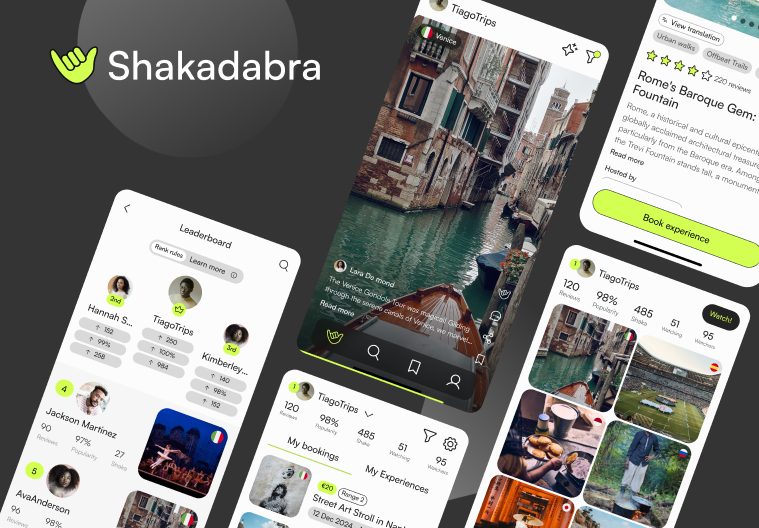
Lasting Dynamics has proven expertise across multiple industries, from fintech and healthcare to e-commerce and education. Its agile approach and commitment to quality have allowed the company to deliver tailored solutions that adapt to each client’s unique challenges.
A great example in the tourism sector is Shadakabra, a project that blends authentic cultural experiences with innovative digital tools. It shows how technology can enhance travel, making it more immersive, sustainable, and memorable for visitors.
To explore more success stories, visit the Clients section of Lasting Dynamics and discover how the company partners with organizations worldwide to create lasting impact.
The tourism industry has always been about discovery, of places, people, and new possibilities. In 2025, digital technology is now the driving force behind that sense of discovery, transforming every part of the journey from planning to post-trip sharing. Businesses that embrace these five trends, contactless experiences, AI, travel tech startups, IoT, and sustainable/remote-friendly travel are,not only meeting today’s traveler expectations but setting the standard for tomorrow.
The path forward is clear: invest in technology that delights guests, empowers staff, and supports sustainable growth. By doing so, travel professionals can look forward to a future full of innovation, opportunity, and unforgettable experiences for all. Technology is not replacing that, it is amplifying it, allowing people to discover more responsibly, inclusively, and meaningfully.
从创意到发布,我们根据您的业务需求量身打造可扩展的软件。
与我们合作,加速您的成长。
To conclude, the digital future of travel is not just about efficiency or convenience; it is about creating richer stories, deeper relationships, and positive impacts on the world we share. The companies willing to take this vision will not only thrive but also redefine what it means to travel in the 21st century.
Is your travel business ready to thrive in the digital era? 👉 联系 Lasting Dynamics to discover how our custom technology solutions can help you deliver safer, smarter, and more memorable travel experiences, today and tomorrow.
Contactless travel, AI-powered planning, travel tech startups, IoT in hospitality, sustainable and remote-work travel options are leading the way.
AI is used for chatbots, personalized trip recommendations, dynamic pricing, and virtual assistants, making travel planning faster and more tailored.
With 85% of travelers using mobile devices for planning and booking, mobile-friendly services are essential for capturing and satisfying today’s market.
IoT powers smart hotel rooms, real-time luggage tracking, and efficient operations, creating more comfortable and seamless journeys for guests.
The rise of remote work has led hotels and destinations to offer coworking spaces, high-speed internet, and flexible stays, attracting a new wave of long-term, tech-savvy travelers.
将大胆的想法转化为强大的应用。
让我们一起创造出具有影响力的软件。

路易斯-兰伯特
我是一名多媒体设计师、文案和营销专家。我正在积极寻求新的挑战,以挑战自己的技能,实现职业成长。
