

打造卓越软件
让我们一起创造非凡。
Lasting Dynamics 提供无与伦比的软件质量。
Michele Cimmino
2 月 24, 2026 • 8 min read

在当今的数字化时代,“乐于学习 ”不仅是一种个人特质,更是一种竞争优势。技术、市场和职位的发展速度比以往任何时候都要快,那些接受持续学习的人就能脱颖而出。对于企业,尤其是信息技术和软件企业来说,培养学习文化意味着在颠覆中保持领先。.
We believe that a readiness to learn is the foundation of innovation, adaptability, and sustainable growth. In this case, let's explore how cultivating a sincere willingness to learn can redefine your professional journey and reshape your organization for success in 2026 and in the upcoming years.

For many years, professional success was measured by job titles, long résumés, or time spent in a single role. Credentials and seniority were seen as proof of expertise and stability. While these markers still hold value, they no longer define success on their own in a rapidly changing professional landscape.
Today, the ability to learn, adapt, and evolve has become a far more powerful indicator of long-term relevance. Employers increasingly value curiosity, problem-solving skills, and the willingness to embrace new tools and methodologies. Professionals who continue to learn are better equipped to navigate uncertainty and contribute meaningfully as roles and industries evolve.
This shift reframes achievement as an ongoing process rather than a fixed milestone. Being open to learning creates access to new responsibilities, broader career paths, and unexpected opportunities. In many cases, growth now comes not from past accomplishments, but from the capacity to continuously build new ones.
In an environment where technology, markets, and expectations evolve constantly, adaptability has become a decisive advantage. Individuals and teams that remain flexible are better positioned to respond to change rather than resist it. Openness to new ideas allows organizations to adjust quickly and stay relevant.
Teams that encourage experimentation and feedback tend to perform more consistently over time. Instead of clinging to established routines, they treat change as a source of insight and improvement. This mindset fosters resilience, enabling teams to recover faster from setbacks and turn challenges into learning opportunities.
Across industries, the most innovative organizations share one common trait: a strong learning culture. Their success is rarely accidental. It is driven by continuous improvement, shared knowledge, and the belief that progress depends on curiosity as much as execution. Learning is the key for industries like 医护 和 金融 that are constantly evolving.
Despite the clear value of continuous learning, many individuals struggle to maintain momentum. Internal barriers such as fear of failure, self-doubt, or discomfort with being a beginner often discourage growth. These concerns can prevent people from taking the first step toward acquiring new skills.
External factors also play a significant role. Limited time, unclear development goals, or lack of support can make learning feel overwhelming or impractical. Without structure or guidance, even motivated professionals may find it difficult to prioritize growth alongside daily responsibilities.
At an organizational level, some cultures unintentionally reinforce caution over curiosity. When mistakes are penalized rather than treated as learning opportunities, innovation slows. Recognizing and addressing these blockers is essential to building environments where learning is encouraged, supported, and ultimately rewarded.
让我们一起创造非凡。
Lasting Dynamics 提供无与伦比的软件质量。
A strong learning culture doesn’t always announce itself through formal training programs or certifications. Often, it shows up in small, everyday behaviors. Teams that naturally share articles, recommend tools, or ask thoughtful questions tend to value growth as part of their routine.
You may also notice people volunteering for new challenges or stepping outside their comfort zones. These actions signal psychological safety, an environment where learning is encouraged and mistakes are treated as part of progress, not as failures.
When curiosity is normalized, collaboration improves and innovation follows. Ideas flow more freely, discussions become richer, and teams are better equipped to solve complex problems together.
In the past, flexibility often meant physical relocation. Today, it’s just as much about mental adaptability. Remote and hybrid work environments require professionals to adjust quickly to new tools, communication styles, and cultural contexts.
Working across borders means navigating time zones, expectations, and workflows that may differ significantly. Success depends on openness, empathy, and the ability to learn how others work not just where they work from.
Organizations that support this transition through thoughtful onboarding, cross-cultural awareness, and flexible policies enable talent to thrive anywhere. When adaptability is built into the system, geography becomes an advantage rather than a limitation.
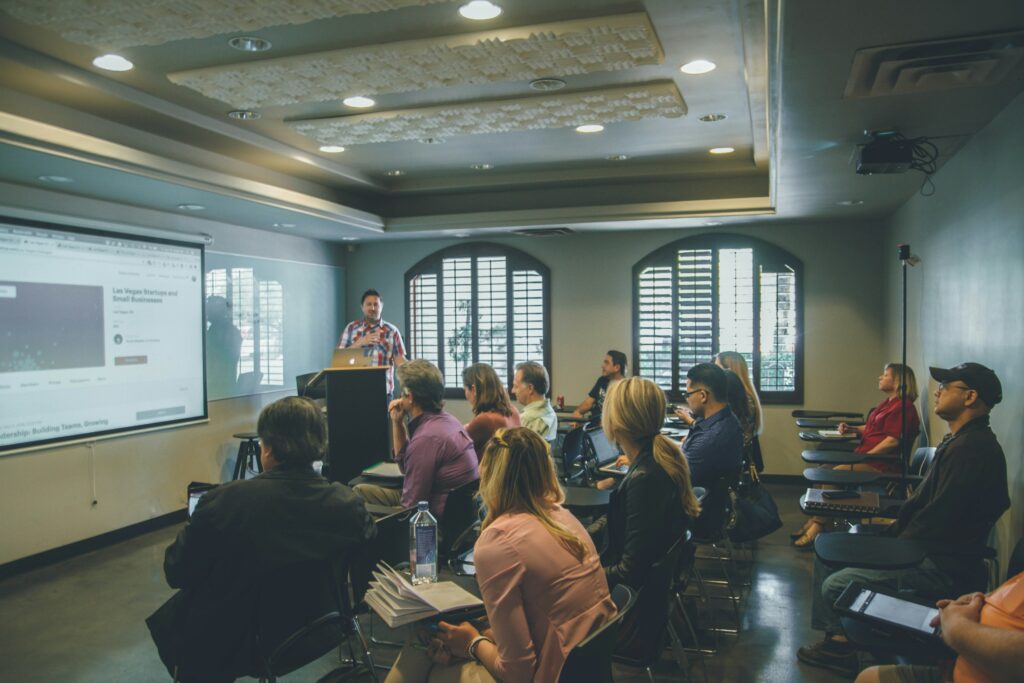
A learning mindset doesn’t develop by chance. It is shaped through consistent habits, intentional structure, and access to the right resources. Professionals who grow continuously treat learning as part of their workflow, not an occasional activity.
Many rely on microlearning platforms, newsletters, podcasts, and online communities to stay informed without feeling overwhelmed. Blocking time for reflection, however brief helps turn information into real understanding.
Peer learning amplifies this process. Sharing insights with colleagues, discussing lessons learned, and learning together builds collective intelligence and reinforces a culture where growth is shared, not isolated.
从创意到发布,我们根据您的业务需求量身打造可扩展的软件。
与我们合作,加速您的成长。
In software and IT, adapting to new technology is unavoidable. Frameworks, tools, and platforms evolve constantly, making continuous learning a requirement rather than an option. However, chasing every new trend can quickly lead to burnout.
The most effective professionals focus first on strong fundamentals, core concepts that remain relevant even as tools change. From there, they selectively adopt new technologies based on real-world relevance and impact.
Using trusted sources such as official documentation, respected industry blogs, and expert-led webinars helps filter noise from value. This disciplined approach keeps skills sharp without creating unnecessary pressure.
When individuals actively commit to learning, the impact goes far beyond personal skill development. Teams with strong learning habits tend to adapt more smoothly to change, handle uncertainty with greater confidence, and maintain momentum even during periods of disruption or rapid growth.
Visible learners, those who openly share insights, lessons, or new perspectives, often become informal leaders within their teams. Their behavior lowers the barrier for others to ask questions, experiment with ideas, and see learning as a collective effort rather than a personal risk.
Over time, this creates a powerful ripple effect across the organization. Learning builds confidence, confidence encourages initiative, and initiative drives continuous improvement. The result is a culture where growth feels natural, supported, and deeply embedded in everyday work.
Hiring for a willingness to learn is just as important as evaluating technical expertise. Candidates who can clearly explain how they faced unfamiliar challenges, filled knowledge gaps, or adapted to new environments often demonstrate long-term potential beyond their current skill set.
The interview process is an opportunity to assess mindset, not just past experience. Questions focused on problem-solving, adaptability, and self-reflection reveal how candidates approach learning when things don’t go as planned or when expectations change.
Once hired, this mindset must be reinforced. Structured onboarding, mentorship programs, and regular feedback help new hires feel supported in their growth, leading to faster integration, higher engagement, and stronger long-term performance. Even AI-Driven tools need to learn to memorize patterns.
我们设计并打造脱颖而出的高品质数字产品。
每一步都可靠、高效、创新。
Across industries, organizations that invest consistently in upskilling and reskilling outperform those that don’t. Learning-driven companies are quicker to respond to market shifts and better equipped to innovate under pressure.
These organizations tend to launch products faster, adopt new technologies more effectively, and pivot with less internal resistance. Learning creates resilience, allowing teams to see change not as a threat, but as an opportunity to improve and evolve.
Today, learning is no longer optional or secondary. It has become a strategic lever that directly impacts return on investment, customer satisfaction, and sustainable growth, making it a core driver of long-term competitiveness.
Lack of time is one of the most frequently cited barriers to learning, especially in fast-paced professional environments. Yet, the most successful individuals do not wait for ideal conditions or lighter schedules. Instead, they deliberately integrate learning into their existing routines, treating it as a continuous habit rather than an additional task.
Short, focused learning moments embedded into daily workflows are often far more effective than long, infrequent sessions. Breaking learning into small, achievable goals reduces mental friction and prevents overwhelm. This approach makes development feel practical and sustainable, even during periods of high workload or pressure.
By using moments such as commutes, short breaks, or low-intensity tasks for microlearning, professionals turn unused time into steady progress. Over time, this consistent effort compounds. It is consistency, not intensity, that builds expertise, reinforces confidence, and drives meaningful long-term growth. This why Lasting Dynamics worked with Schoolthinks to support education and technology.

We consider one important aspect in Lasting Dynamics, a learning-first mindset is embedded into how teams collaborate, solve problems, and deliver value to clients. Continuous development is not treated as a one-off initiative, but as an ongoing practice supported through mentorship, structured training, and open knowledge sharing across disciplines.
This environment enables teams to approach complex challenges with confidence and clarity. By encouraging curiosity, experimentation, and reflection, individuals feel empowered to explore new ideas without fear of failure. As a result, solutions remain innovative, practical, and closely aligned with real-world client needs.
Whether advancing an individual career or scaling a business, the principle remains the same: progress starts with a willingness to learn. When learning becomes part of everyday work, it creates lasting impact, strengthening teams, elevating outcomes, and building organizations that are resilient, adaptable, and future-ready.
The professionals and organizations that truly thrive are those that never stop learning. In a world shaped by constant change, a learning mindset fuels growth, resilience, and long-term success. Regardless of role, industry, or location, the ability to adapt and evolve has become a defining advantage.
Embracing curiosity means more than acquiring new skills, it requires challenging assumptions, staying open to feedback, and supporting others in their own development. When learning becomes a shared value, teams grow stronger, innovation accelerates, and progress feels both sustainable and meaningful.
在 Lasting Dynamics,这一信念指导着我们每天的工作和协作方式。通过促进持续学习和知识共享,我们帮助个人和组织树立信心,解决复杂问题,清晰地向前迈进。美好的未来属于那些愿意学习、愿意共同成长的人。.
Ready to unlock your potential and future-proof your business? 👉 与 Lasting Dynamics 合作 培养学习文化,推动创新和发展。.
乐于学习使专业人员和企业能够适应不断的变化。随着技术、工具和市场期望的发展,不断学习有助于人们保持相关性、竞争力和自信。它能让人们更快地解决问题,实现职业发展,并有能力抓住新机遇,而不是抵制变化。.
学习文化氛围浓厚的公司创新速度更快,适应变化的能力更强,留住人才的时间更长。员工感到有能力成长、分享知识和改进流程。这将提高员工的参与度,改善绩效,并使组织长期保持活力和竞争力。.
高效的学习者会留出固定的学习时间,即使是短时间的学习。他们使用数字资源,加入专业社区,提出问题,反思经验。与同事分享见解可以巩固知识,并将学习变成一种习惯,而不是偶尔为之的活动。.
您可以通过分享适应新挑战、学习不熟悉的工具或在反馈后改进的真实案例来表明自己的学习意愿。讨论您是如何保持更新、寻求指导和应用新知识的。雇主看重的是求职者的好奇心、自我意识和成长性,而不是完美性。.
在线课程、学习平台、播客、导师计划和协作工具都支持持续学习。微型学习应用程序和内部知识共享系统尤其有效。最好的工具是那些能自然融入日常工作流程并鼓励持续、长期发展的工具。.
将大胆的想法转化为强大的应用。
Let’s create software that makes an impact together.

Michele Cimmino
我相信努力工作和每日承诺是取得成果的唯一途径。我对质量有一种莫名其妙的吸引力,当涉及到软件时,这就是让我和我的团队对敏捷实践和持续的过程评估有强烈把握的动力。我对任何事情都有强烈的竞争态度--我不会停止工作,直到我达到顶峰,一旦我达到顶峰,我就开始工作以保持这个位置。
