

Å skape fremragende programvare
La oss bygge noe ekstraordinært sammen.
Stol på Lasting Dynamics for enestående programvarekvalitet.
Luis Lambert
19. november 2025 - 11 min å lese
I det 21. århundret er det få endringer som har forandret livene våre så dyptgripende som møtet mellom medisin og teknologi. Det som en gang føltes som to vidt forskjellige verdener, med leger som behandlet pasienter på den ene siden og ingeniører som bygget verktøy på den andre, er nå dypt forbundet. Programvare har blitt en del av helsevesenet, ikke som noe vi alltid legger merke til, men som en usynlig støtte som gjør behandlingen raskere, tryggere og ofte mer personlig.
For helsepersonell betyr dette skiftet mer pålitelige måter å få tilgang til informasjon på, dele kunnskap og redusere tyngden av repetitive oppgaver. For pasientene betyr det færre barrierer for behandling, større tillit til behandlingen de får, og en større følelse av å få støtte utenfor sykehusets vegger. Disse endringene er ikke bare tekniske forbedringer; de berører noe langt mer menneskelig: verdigheten ved å bli tatt vare på med tid, oppmerksomhet og empati.
Den digital transformasjon Den digitale transformasjonen av helsevesenet handler ikke om å erstatte mennesker med maskiner. Det handler om å gi mennesker, både pleiere og pasienter, bedre verktøy for å møte utfordringer, spare dyrebar tid og fokusere på det som virkelig betyr noe: helse og menneskelig kontakt. I dette øyeblikket, som ofte kalles Healthcare 2.0, kan vi se hvordan teknologien ikke lenger er et fjernt løfte, men en aktiv kraft som omformer dagens omsorg. Den er både praktisk og dypt menneskelig, og viser oss hvordan innovasjon kan tjene medmenneskelighet.

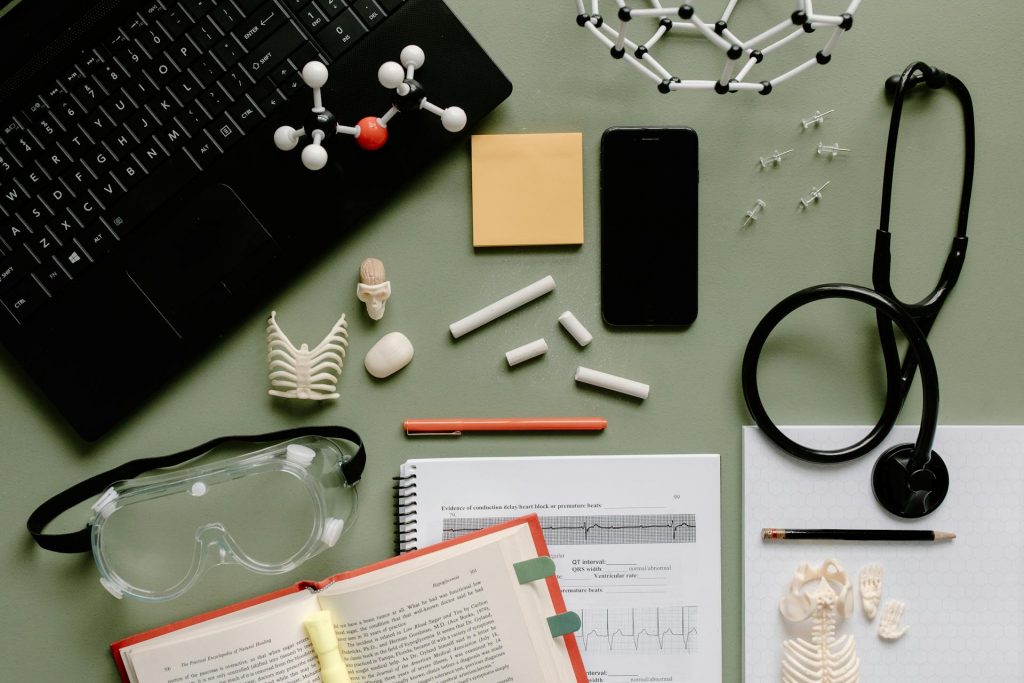
Helsevesen 2.0: Teknologi som bryr seg. Foto av Tara Winstead på Pexels: https://www.pexels.com/photo/a-blank-white-paper-beside-ball-pen-and-stethoscope-7723686/
Elektroniske pasientjournaler (EPJ) har omdefinert hva det vil si å "kjenne" en pasient. Sykehistorier, laboratorieresultater og behandlingsplaner er ikke lenger spredt utover papirmapper eller silosystemer. I stedet integrerer EPJ-ene data fra alle behandlingssteder, noe som gir legene et omfattende sanntidsbilde av pasientens medisinske reise. Denne integrasjonen betyr bedre koordinering mellom spesialister, færre overflødige tester og raskere, mer nøyaktige diagnoser. For pasientene betyr det tryggere behandling, siden allergier, medisiner og tidligere tilstander alltid er tilgjengelig for legen. I praksis har EPJ ført til en målbar nedgang i antallet medisinske feil, og har satt en ny standard for kontinuitet i behandlingen.
Det er også viktig å nevne at EPJ også gir trygghet. Familier trenger ikke lenger å bære rundt på stabler med dokumenter eller gjenta sykehistorien sin om og om igjen. Legene kan gå inn til en konsultasjon med god informasjon, og pasientene kan stole på at behandlingen er basert på et komplett bilde, ikke fragmenter. På mange måter handler EPJ mindre om skjermer og systemer, og mer om å gjenopprette tilliten til at ingenting viktig vil bli oversett i et øyeblikk som virkelig betyr noe.
Mobile helseapper gir pasientene mer makt enn noen gang før. Appene gjør det mulig å ta hånd om helsen på en enkel måte, med alt fra blodsukkermåling og pulsmåling til påminnelser om medisinering. De bygger bro mellom legebesøkene og gjør passive pasienter til aktive deltakere i sin egen helse. Og ikke minst bidrar disse verktøyene til bedre kommunikasjon mellom helsepersonell og pasienter. Sikre meldinger, timeplanlegging og telemedisinske konsultasjoner er nå bare et tastetrykk unna.
Engasjementsgrad med mobile helseplattformer Det som gjør disse appene så effektive, er ikke bare at de er praktiske, men også at de gir folk følelsen av kontroll tilbake.
Det kan føles overveldende å håndtere en sykdom eller holde oversikt over egen helse, men med et enkelt verktøy for hånden blir det lettere å holde oversikten. Pasientene føler seg mer involvert, mer informert og bedre i stand til å ta beslutninger om hvordan de har det. I det større bildet av Healthcare 2.0 symboliserer disse appene et skifte: Medisin er ikke lenger noe som bare skjer på klinikker eller sykehus, det er i ferd med å bli et kontinuerlig partnerskap i dagliglivet.
Flommen av digitale helsedata ville vært overveldende uten analyse. Avansert programvare går nå gjennom enorme datasett for å avdekke mønstre og forutsi resultater. Sykehusene kan forutse pasientinnleggelser, identifisere dem som er i risikosonen for komplikasjoner, og til og med forutse mangel på utstyr. For klinikere betyr denne innsikten at de kan gripe inn tidligere og gi mer personlig tilpasset behandling. For sykehusadministratorer gjør prediktive analyser det mulig å ta smartere beslutninger om bemanning og lagerbeholdning, noe som reduserer bortkastede ressurser og forhindrer flaskehalser.
Mer enn bare tall, prediktive analyser gir helsevesenet noe uvurderlig: tid. Tid til å fange opp et problem før det vokser, tid til å gripe inn før en tilstand forverres, og tid til å forberede ressurser før en krise oppstår. For pasientene betyr det å bli tatt hånd om på en måte som føles proaktiv snarere enn reaktiv, der helsen deres ikke bare overvåkes, men også forutses. I visjonen om Healthcare 2.0 er dette skiftet fra etterpåklokskap til fremsynthet et av de tydeligste eksemplene på hvordan teknologi kan forene både effektivitet og medmenneskelighet.
Helsepersonell oppgir ofte den administrative byrden som en av de største kildene til utbrenthet. Programvareautomatisering, særlig når den er basert på kunstig intelligens, letter denne belastningen på flere måter. AI-drevne tale-til-tekst-systemer gjør det for eksempel mulig for leger å diktere notater under eller umiddelbart etter pasientbesøk. Studier har vist at slike verktøy kan redusere dokumentasjonstiden med omtrent 45%, Det gir klinikerne mer tid til å fokusere på direkte pasientbehandling.
Andre former for automatisering, som styring av arbeidsflyt, påminnelser om timeavtaler og behandling av krav, frigjør tid for både klinisk og administrativt personale. Resultatet er ikke bare større effektivitet, men også et mer bærekraftig og tilfredsstillende arbeidsmiljø.
La oss bygge noe ekstraordinært sammen.
Stol på Lasting Dynamics for enestående programvarekvalitet.
Men den største verdien ligger kanskje i det automatiseringen gir tilbake: energi og emosjonell balanse til menneskene som pleier oss. Når sykepleiere og leger bruker mindre tid på papirarbeid, får de mer tid til empati, til å lytte og til å være til stede sammen med pasientene sine. På denne måten handler ikke AI og automatisering om å fjerne det menneskelige elementet, men om å beskytte det. Innenfor Healthcare 2.0 fungerer de som stille allierte, reduserer stress og gjenoppretter en følelse av mening for dem som står i frontlinjen av pleien.
Den digitale inngangsdøren til helsevesenet er nå vidåpen. Nettbaserte avtalesystemer gjør det raskere og mer praktisk for både pasienter og helsepersonell å bestille time. Telemedisin, som en gang ble ansett som en nyhet, viste seg å være verdifull under pandemien ved å tilby trygg og umiddelbar tilgang til behandling når det trengtes som mest. Fjernovervåkningsenheter utvider denne tilgangen ytterligere, og knytter pasienter og leger sammen utenfor sykehusets vegger.
For mennesker som lever med kroniske lidelser eller begrenset mobilitet, gir disse verktøyene trygghet og forutsigbarhet. I stedet for å måtte reise rundt eller møte opp på hyppige kontroller, kan pasientene holde kontakten med pleiepersonalet hjemmefra. Dette gir ikke bare færre sykehusbesøk, men også større trygghet i den daglige håndteringen av egen helse.
Det som oppstår, er en pasientopplevelse som føles kontinuerlig snarere enn fragmentert. Helsevesen 2.0 handler ikke om å erstatte tradisjonelle helsetjenester, men om å veve dem inn i hverdagen på måter som er mer praktiske, tilgjengelige og personlige. Det er helsetjenester som møter folk der de er, når de trenger det som mest.
En av de største utfordringene i helsevesenet har alltid vært at pasientinformasjonen er spredt på tvers av ulike avdelinger, klinikker og systemer. Dette gjør det vanskeligere for leger og sykepleiere å få et fullstendig bilde av pasientens helse. I dag bidrar moderne programvare til å løse dette problemet ved å gjøre det mulig for disse systemene å “snakke” med hverandre. Standardiserte måter å dele data på betyr at ulike sykehus, laboratorier og apotek kan få tilgang til den samme oppdaterte informasjonen.
Når informasjonen flyter som den skal, kan helsepersonellet koordinere behandlingen mer effektivt. Pasientene opplever færre forsinkelser, færre gjentatte tester og færre feil. Legene kan ta bedre beslutninger fordi de har all relevant informasjon lett tilgjengelig.
Sykehus og klinikker som har tatt i bruk integrerte systemer, opplever ikke bare forbedringer i pasientbehandlingen, men også i effektiviteten. Avtalene går smidigere, behandlingene går raskere, og de ansatte bruker mindre tid på papirarbeid, slik at de kan konsentrere seg om pasientene.
Helsevesen over hele verden sliter med de samme problemene: utbrenthet blant klinikere, økende kostnader, sviktende koordinering av pleie og omsorg og utfordringen med å skalere opp kvaliteten på pleien. Programvareløsninger tar direkte tak i disse problemene. Automatisering reduserer repeterende administrativt arbeid, analyser identifiserer ineffektivitet eller mangler i behandlingen, og mobilapper kobler sammen fragmenterte kontaktpunkter i pasientreisen.
Digitale verktøy gjør det også mulig å ta datadrevne beslutninger, noe som hjelper organisasjoner med å forutse pasientbehov, fordele ressurser mer effektivt og effektivisere komplekse arbeidsflyter. Ved å synliggjøre mønstre og potensielle problemer før de eskalerer, gjør teknologien det mulig for helsepersonell å handle proaktivt i stedet for reaktivt, noe som til syvende og sist kommer både pasienter og ansatte til gode.
Fra idé til lansering lager vi skalerbar programvare som er skreddersydd til dine forretningsbehov.
Samarbeid med oss for å akselerere veksten din.
Kanskje viktigst av alt er at disse løsningene flytter fokuset fra volum til verdi, noe som oppmuntrer til mer forebyggende behandling, større åpenhet og bedre resultater. Plattformer for pasientengasjement gjør det for eksempel mulig for enkeltpersoner å håndtere kroniske lidelser, planlegge timeavtaler og få tilgang til utdanningsressurser, noe som skaper en mer deltakende helseopplevelse. Ved å samarbeide med teknologileverandører som forstår disse utfordringene, er helseorganisasjoner bedre rustet til å lykkes i den nye digitale tidsalderen.
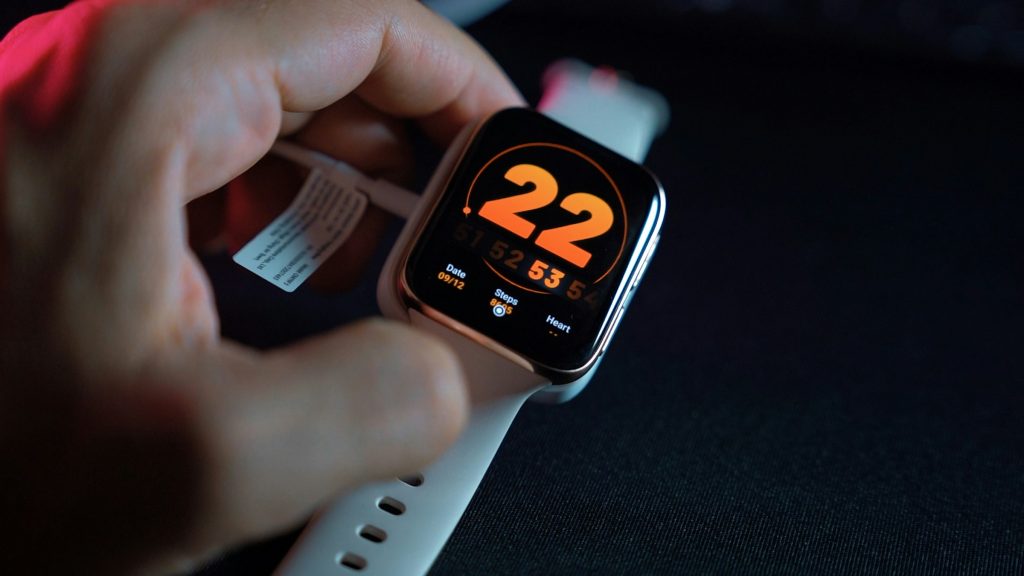
Bedre omsorg, smartere løsninger. Foto av Onur Binay på Unsplash: https://unsplash.com/photos/silver-aluminum-case-apple-watch-with-white-sport-band-4401uqU9bf8
Utbrenthet blant personalet er ikke bare et personalproblem, det påvirker pasientbehandlingen og organisasjonens bærekraft direkte. Healthcare 2.0 bringer med seg verktøy som automatiserer repetitive oppgaver, effektiviserer arbeidsflyten og gir de ansatte mer tid til meningsfylt arbeid. AI-drevne løsninger, fra automatisert pasienttriage til ressursallokering i sanntid, reduserer den kognitive og emosjonelle belastningen på klinikerne.
Disse innovasjonene fremmer også en kultur preget av støtte og robusthet. Ved å redusere de administrative kostnadene kan de ansatte bruke energien sin på pasientkontakten, problemløsning i samarbeid, og faglig utvikling, noe som styrker moralen og engasjementet. I miljøer der den emosjonelle belastningen ved å jobbe i helsevesenet kan være overveldende, fungerer teknologien som en buffer, slik at klinikerne kan fokusere på det som inspirerte dem til å begynne i helsevesenet i utgangspunktet.
Ifølge nylige rapporter har sykehus som har tatt i bruk AI-drevet dokumentasjon og digital arbeidsflytstyring, opplevd lavere turnover og økt jobbtilfredshet. Ved å investere i automatisering forbedrer ikke lederne i helsevesenet bare effektiviteten i driften, de skaper også en mer medfølende og robust arbeidsplass der de ansatte føler seg bemyndiget, verdsatt og bedre rustet til å levere omsorg av høy kvalitet.
Den moderne pasienten forventer mer enn god medisin, de forventer bekvemmelighet, klarhet og kontroll. Digitale plattformer for pasientopplevelser innfrir disse forventningene ved å tilby enhetlige portaler for å administrere avtaler, få tilgang til testresultater og kommunisere med behandlingsteam.
Telemedisin har vist seg å være mer enn en nødløsning under pandemien; det er nå en sentral del av den løpende behandlingen for millioner av mennesker. Pasienter med mobilitetsproblemer, de som bor i avsidesliggende områder eller de som har kroniske lidelser, har hatt særlig stor nytte av dette. Digitale opplevelsesverktøy reduserer friksjonen i alle ledd, fra planlegging til oppfølging, og sørger for at pasientene føler seg støttet og informert gjennom hele behandlingsreisen.
Sykehusene rapporterer om høyere tilfredshet og færre uteblivelser etter at de har tatt i bruk robuste digitale opplevelsesløsninger. Etter hvert som Healthcare 2.0 fortsetter å utvikle seg, vil disse plattformene integrere AI-drevet veiledning, virtuelle assistenter og prediktive påminnelser, noe som ikke bare gjør pleien mer tilgjengelig, men også mer personlig og empatisk, og bygger bro over gapet mellom teknologi og menneskelig kontakt.
Etter hvert som mer sensitive helsedata flyttes ut på nettet, har kravene til sikkerhet og etterlevelse aldri vært høyere. Helseorganisasjoner må overholde strenge forskrifter som HIPAA, GDPR og andre, noe som krever kontinuerlige investeringer i kryptering, tilgangskontroller og overvåking. Å beskytte data er ikke bare et lovpålagt krav, det er også avgjørende for å opprettholde pasientenes tillit og sikre integriteten i pleie- og omsorgsleveransene.
Vi designer og bygger digitale produkter av høy kvalitet som skiller seg ut.
Pålitelighet, ytelse og innovasjon i alle ledd.
Moderne programvare er utformet med tanke på disse behovene, og tilbyr revisjonsspor, trusselsporing i sanntid og automatiserte samsvarskontroller. Disse verktøyene hjelper helseorganisasjoner ikke bare med å forebygge sikkerhetsbrudd, men også med å reagere raskt når problemer oppstår, noe som reduserer risikoen og styrker den operative robustheten. Sikkerhet blir en integrert del av pasientopplevelsen, i stedet for en forpliktelse som ligger bak kulissene.
Å bygge opp pasientenes tillit handler ikke bare om å beskytte data, men også om å demonstrere åpenhet og ansvarlighet i hver eneste digitale interaksjon. Tydelig kommunikasjon, samtykkehåndtering og lettforståelige personvernrutiner gjør at pasientene føler at de har kontroll over sin egen informasjon. Ved å prioritere datasikkerhet sammen med medmenneskelig omsorg sørger Healthcare 2.0 for at teknologien styrker, og ikke undergraver, den essensielle menneskelige kontakten som er kjernen i medisinen.
Fremover vil den neste bølgen av programvare for helsevesenet fokusere enda mer på persontilpasning og forebygging. Bærbare enheter, AI-drevne risikomodeller og apper for pasientengasjement vil fortsette å utvikle seg og gi enkeltpersoner mulighet til å ta ansvar for helsen sin. Sykehus og klinikker vil i økende grad bruke programvare for å koble sammen data om befolkningens helse, sosiale determinanter og individuelle risikofaktorer, slik at de kan levere både proaktiv og skreddersydd behandling.
Dette skiftet representerer en dyptgripende kulturendring i medisinen. Pasientene er ikke lenger passive mottakere av behandling, de er samarbeidspartnere. Digitale verktøy gjør det mulig for dem å følge utviklingen, ta informerte valg og delta aktivt i forebyggende strategier, noe som forandrer det tradisjonelle forholdet mellom pasient og behandler.
Fremtidens digitale helsevesen er en verden der pasienter og behandlere er partnere, der data flyter sikkert og effektivt, og der teknologien trer i bakgrunnen, slik at den menneskelige siden av medisinen kan skinne enda klarere. Ved å kombinere persontilpasning med forebygging lover Healthcare 2.0 en verden der kroniske sykdommer håndteres før de eskalerer, behandlingen blir mer effektiv og helseresultatene blir bedre for alle.
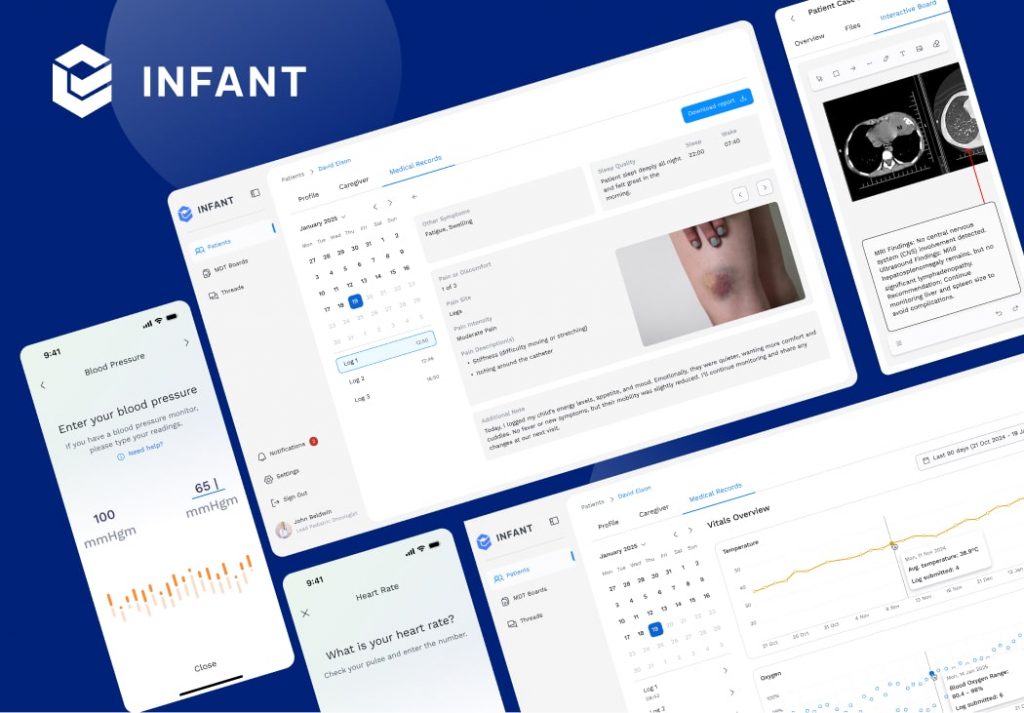
Lasting Dynamics har oppnådd anerkjennelse som en pålitelig programvarepartner på tvers av bransjer, og helsevesenet er et av selskapets sterkeste områder. Selskapet kombinerer teknisk ekspertise med en klar forståelse av sykehus, klinikker og forskningssentre, noe som gjør det mulig å utforme verktøy som virkelig forbedrer pleie og effektivitet.
Et eksempel er SPEDBARN, en plattform utviklet for å støtte kreftsyke barn og deres familier. Den gir leger og omsorgspersoner enklere måter å dele informasjon på, samarbeide om saker og få tilgang til spesialiserte sentre. Ved å forene medisinsk personale og familier på én og samme plattform bidrar INFANT til å forbedre kommunikasjonen og beslutningstakingen i en svært vanskelig fase av livet.
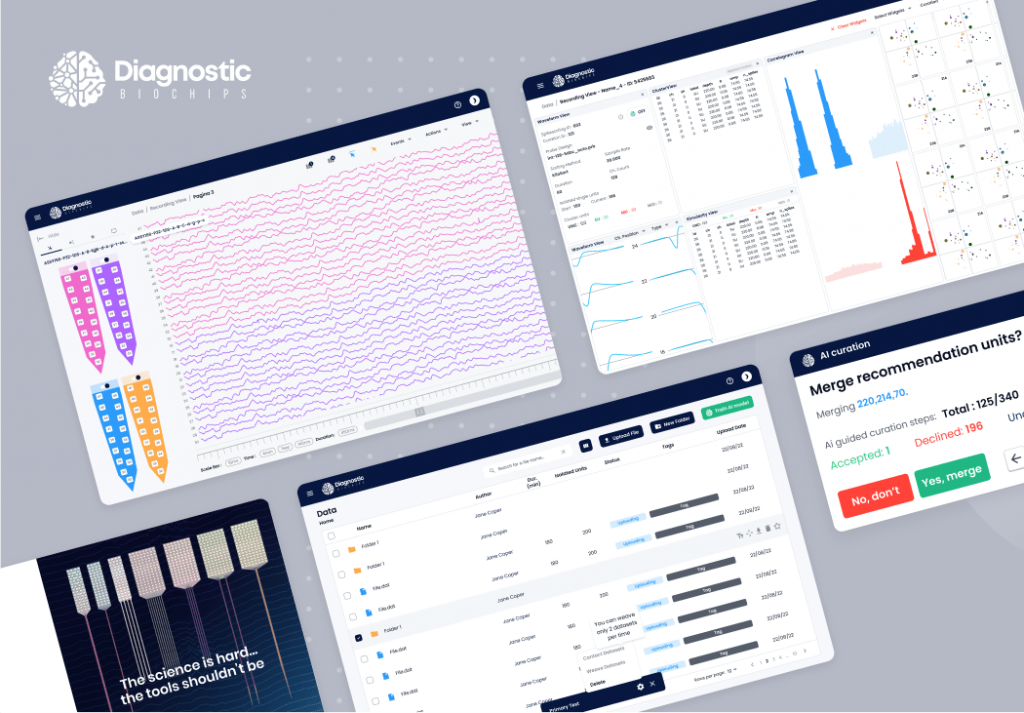
En annen suksess er DBC Cloud, opprettet i samarbeid med Diagnostic Biochips for å håndtere den enorme mengden hjerneforskningsdata som produseres i laboratorier. Det som før tok måneder med manuelt arbeid, kan nå gjøres på få dager, takket være kunstig intelligens og skyteknologi. Dette fremskynder ikke bare forskningen, men åpner også døren for raskere oppdagelser innen nevrovitenskap.
Hvis du er interessert i å vite mer om AI i medisin, har vi en egen blogg om dette i persontilpasset medisin og psykisk helsevern!
Den digitale revolusjonen i helsevesenet er mer enn en teknologisk oppgradering, det er en bevegelse mot bedre og mer medfølende omsorg. Programvare erstatter ikke den menneskelige kontakten, men forsterker pleiernes evne til å helbrede, skape kontakt og utgjøre en forskjell. Etter hvert som Healthcare 2.0 fortsetter å utvikle seg, vil de organisasjonene som lykkes, være de som ikke bare ser på teknologi som et verktøy, men som en partner i arbeidet med å yte service.
Denne nye æraen gir både pasienter og helsepersonell mer makt. Den enkelte får mer kontroll over sin egen helse og tilgang til personlig tilpasset innsikt og støtte, mens klinikerne kan fokusere på meningsfull behandling i stedet for administrative byrder. Løftet med Healthcare 2.0 ligger ikke bare i effektivitet og innovasjon, men også i å skape et helsevesen som er lydhørt, empatisk og menneskesentrert.
Er du klar til å ta helseorganisasjonen din inn i Healthcare 2.0-æraen? 👉 Kontakt oss i dag for å finne ut hvordan riktig programvare kan forandre pasientbehandlingen, styrke de ansatte og optimalisere alle aspekter av driften. La oss bygge fremtidens medisin sammen.
Elektroniske pasientjournaler samler alle pasientens medisinske opplysninger på ett sted. Dette gjør det lettere for leger og sykepleiere å se hele bildet, unngå feil og jobbe som et team for å gi bedre behandling.
Med helseapper kan folk følge med på ting som blodtrykk eller daglige skritt, bli påminnet om å ta medisiner og holde kontakten med legen sin. Dette bidrar til at pasientene føler seg mer involvert og mer konsekvente i håndteringen av helsen sin.
Digitale verktøy kan ta seg av tidkrevende papirarbeid og repetitive oppgaver. Ved å spare tid får helsepersonellet mer energi til å fokusere på pasientene, noe som også bidrar til økt arbeidsglede.
Telemedisin gjorde det mulig for pasienter å oppsøke lege hjemmefra på en trygg måte. Det var spesielt nyttig for sårbare grupper, og viste hvordan digitale verktøy kan bidra til å opprettholde helsetjenester, selv i vanskelige tider.
Ja. Moderne programvare for helsevesenet er bygget med sterke sikkerhetstiltak og følger strenge regler for å beskytte sensitiv informasjon. Pasientdata holdes private og trygge.
Forvandle dristige ideer til kraftfulle applikasjoner.
La oss skape programvare som gjør en forskjell sammen.

Luis Lambert
Jeg er multimediedesigner, tekstforfatter og markedsføringsekspert. Jeg søker aktivt etter nye utfordringer for å utfordre ferdighetene mine og vokse profesjonelt.
