

Crafting Excellence in Software
Let’s build something extraordinary together.
Rely on Lasting Dynamics for unparalleled software quality.
Michele Cimmino
Nov 07, 2025 • 11 min read
The whole iPhone users vs Android users debate has been around for years. Our phones aren’t just for texting or calling anymore, they’re basically the center of our work, entertainment, shopping, and even how we express ourselves. So, picking between iPhone and Android isn’t just about which one looks cooler; it actually says a lot about your lifestyle, values, and digital habits. Sure, there are some things both platforms do well, but it’s the differences that really stand out, even when it comes to how their apps are built.
Both Apple and Android are racing to innovate. Apple is all about sleek design, strong security, and keeping everything tightly integrated. Android, on the other hand, is known for its flexibility, endless customization, and the huge variety of devices you can choose from. These differences don’t just affect what phone you buy, they shape how you use your phone, and they matter to everyone from regular users to businesses, app creators, and marketers trying to reach the right people.
What really makes this comparison interesting is that it’s not just about the phones themselves. Research shows that iPhone and Android users often have different spending habits, privacy worries, brand loyalty, and even personality quirks. It’s a great example of how technology can influence not just our personal choices, but also bigger cultural and economic trends.
We’ll be diving into the latest stats, looking at some surprising user behaviors, and talking about where mobile tech might be headed next. Whether you’re a tech geek, a business owner, or just curious about which side you’re on, the iPhone users vs Android users story is a fascinating look at where the digital world is going.
Source: StatCounter Global Stats - OS Market Share
The global smartphone market is dominated by Android, which holds approximately 70% of the worldwide market share, while iOS (iPhone) accounts for around 28-30% (taking in consideration 70 is for Android). This disparity is largely due to Android’s presence in emerging markets and its wide range of device options, from budget to premium. In contrast, iPhone’s market share is strongest in North America, Western Europe, and Japan, where it is often seen as a status symbol and a premium choice.
Even though Android has the numbers, iPhone users are a powerful group, especially in wealthier regions. In the U.S., for example, the split between iPhone and Android users is almost even, but iPhone has a slight edge with younger people and those with higher incomes.
But this rivalry isn’t just about who has more users, it’s about who has more influence. iPhone users tend to set trends in app spending, social media, and adopting new tech, while Android’s massive user base makes it the go-to platform for global reach and diversity. If you want to make it big in the mobile world, understanding these dynamics is a must.
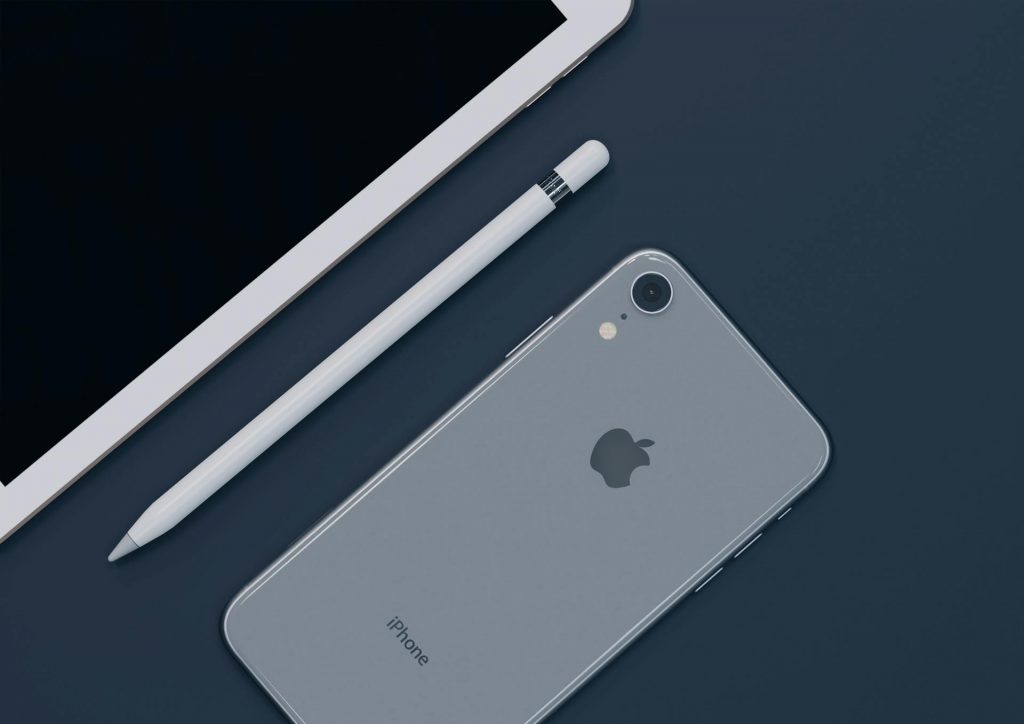
iPhone Users vs Android Users: A clash driving digital trends. Photo by Nana Dua on Pexels: https://www.pexels.com/photo/white-iphone-xr-3586249/
Personality studies have revealed fascinating differences between iPhone and Android users. Research published in the National Library of Medicine (NIH) found that iPhone users are more likely to view their phones as status symbols and score higher on measures of extraversion and self-perceived status. They tend to value brand prestige, seamless integration, and the latest technology. Even the UI/UX is different between these.
Android users, by contrast, are often characterized by their preference for customization, flexibility, and open-source options. They score higher on honesty and humility, and are more likely to experiment with different devices and software. This openness to change and personalization is a defining feature of the Android community.
Brands and developers can leverage these insights to create products and marketing campaigns that resonate with their target audiences, whether they are appealing to the status-conscious iPhone user or the pragmatic Android enthusiast. Users are more likely to choose and stick with platforms that demonstrate a commitment to protecting their information.
One of the biggest differences between iPhone and Android users is how they spend money on digital stuff. iPhone users are usually more willing to pay for apps, subscriptions, and in-app extras, which makes them a favorite for businesses and developers looking for early adopters of premium services.
Android users, by contrast, often lean toward free or open-source apps. They care about flexibility and getting good value, but that doesn’t mean they’re less engaged. Many Android fans spend a lot of time exploring new apps and customizing their phones—their spending just tends to reflect a preference for variety and affordability.
For companies, this means different strategies work for different audiences: premium, exclusive experiences tend to attract iPhone users, while Android users respond better to options that highlight choice, adaptability, and price.
Security and privacy are huge concerns for everyone, but iPhone and Android take different approaches. iPhones are often seen as more privacy-focused, thanks to Apple’s closed ecosystem, regular security updates, and features that limit third-party access to your data. This reputation for privacy is a big selling point for a lot of users.
Android, on the other hand, is all about flexibility and customization. While that openness can sometimes mean more risk, especially if updates are slow or you’re using uncertified devices. Android has made big improvements lately. Features like app permission controls, data sandboxing, and Google Play Protect show that security is a priority.
At the end of the day, people who care most about privacy might feel safer with iPhone, while those who want more control and options might stick with Android. Both platforms are investing heavily in security, but how users perceive trust and protection plays a huge role in which side they choose, and how loyal they stay.
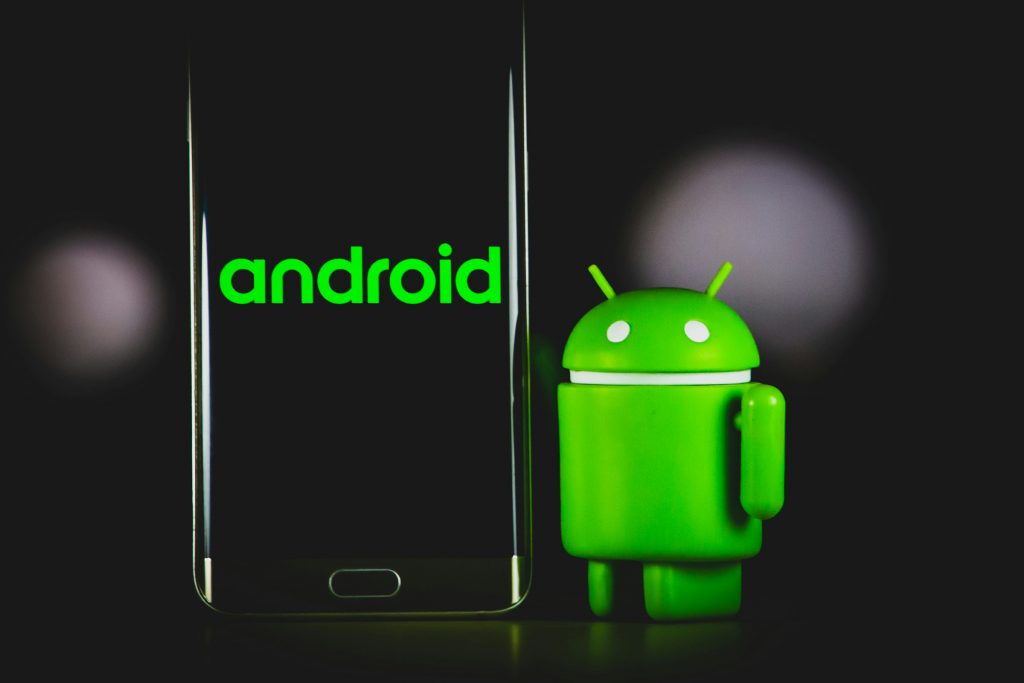
One decision, two worlds of innovation.. Photo by Denny Müller on Unsplash: https://unsplash.com/es/fotos/funda-de-iphone-de-rana-verde-junto-al-telefono-inteligente-samsung-android-negro-HfWA-Axq6Ek
Both iPhone and Android users have their own set of frustrations, and these pain points often reflect the core philosophies behind each platform. For iPhone users, one of the biggest complaints is feeling "locked in" to the Apple ecosystem. On top of that, Apple devices tend to come with a hefty price tag, which can be a major barrier for anyone who’s budget-conscious.
Android users, meanwhile, often run into issues with "fragmentation". Because Android powers such a huge variety of devices from different manufacturers, software updates can be slow to arrive, and the experience can vary a lot from one phone to another. This means some users might miss out on the latest features or security patches for months. The sheer amount of customization options is a double-edged sword: while it’s great for those who love to tweak every setting, it can also be overwhelming or lead to inconsistent performance across devices.
A shared headache for both camps is the struggle to get iPhones and Androids to work smoothly together. Whether it’s sharing files, sending messages, or even just coordinating group chats, cross-platform compatibility can be a real pain point, leading to frustration and sometimes even missed connections.
While iOS and Android take different approaches, both bring unique strengths that keep their communities engaged. Some users gravitate toward the polished, consistent feel of iOS, while others prefer the flexibility and variety that Android offers.
Let’s build something extraordinary together.
Rely on Lasting Dynamics for unparalleled software quality.
The important part is that both ecosystems continue to evolve. They’re rolling out new features, expanding their services, and adapting to how people actually use their devices in everyday life. For businesses and developers, this means there isn’t a single “better” platform, success often comes from meeting users where they are, no matter which device they choose. At the end of the day, the choice between iOS and Android reflects personal preference, priorities, and lifestyle. What really matters is delivering smooth, valuable experiences that work across the board.
On a personal note, I’ve worked with both Android (in its many versions) and iOS. In my experience, each has its own strengths. Android offers more flexibility, while iOS provides greater consistency across devices. The tricky part is switching from one to the other: it’s not just a new phone, it’s a whole new way of thinking. They don’t work the same, and that’s what makes them so defining when it comes to personal style. My advice? If you’re considering making the jump, take the time to understand the strengths and trade-offs of each platform. That way, you’ll avoid unpleasant surprises and get the most out of the transition.
When it comes to mobile platforms, iOS and Android both deliver powerful ecosystems, but they approach things from different angles. Apple’s iOS is often associated with consistency, polished design, and strong security. Everything feels tightly connected, from the operating system to the broader family of Apple products, which gives users a smooth, familiar experience no matter which device they pick up. That sense of reliability is part of why iOS users often stick around year after year.
Android, by contrast, thrives on flexibility and variety. It’s a platform that exists across countless devices, from budget-friendly options to the latest premium flagships. This diversity means there’s something for almost every lifestyle and price point. On top of that, Android encourages personalization, letting users shape their devices to reflect how they want to use them. For some, that freedom is what makes the platform so appealing.
Of course, both ecosystems are evolving far beyond the phones themselves and continue to improve their software quality. What’s interesting is that, while the feature lists may look different on paper, the ultimate goal is the same: make daily life easier, more connected, and more enjoyable.
The choice between iOS and Android isn’t just about devices, it also reflects how people interact with technology in their daily lives. Each platform has its own ecosystem, user habits, and ways of connecting with others, shaping broader trends in communication and digital behavior.
Both platforms continue to influence how people access information, connect with friends, and engage with services around the world. Their differences often highlight the variety of ways technology can support personal and professional lifestyles.
For businesses and developers, understanding these patterns helps in creating products that resonate with diverse audiences, no matter which platform they use. The focus is less on who “wins” and more on adapting to the evolving ways people live and work in a mobile-first world.
Brand loyalty plays a central role in the smartphone market, and it is especially strong among iPhone users, many of whom remain within the Apple ecosystem for years. This loyalty is fueled by the seamless integration of Apple’s services, the perception of security and reliability, and the convenience of features like iCloud, iMessage, and the App Store, which create a sense of continuity that is difficult to give up.
Switching between platforms, whether from Android to iOS or vice versa, does happen, but it is relatively uncommon. Many users hesitate to switch due to familiarity with their current device, the effort involved in transferring data, or the comfort of habits built over time. In Apple’s case, the “ecosystem lock-in” effect makes moving away from iPhone particularly challenging, while Android’s openness encourages brand experimentation within the platform rather than moving outside it.
From idea to launch, we craft scalable software tailored to your business needs.
Partner with us to accelerate your growth.
Ultimately, while Android users may explore a wider variety of brands and models, and iPhone users may be more tightly bound to Apple’s ecosystem, both groups demonstrate strong loyalty shaped by convenience, personal preference, and the communities built around their devices.
For Lasting Dynamics, the rivalry between iPhone vs Android is just important in terms of software development, it’s just two ways people connect with technology. Both platforms have their quirks, styles, and loyal communities. So what matters is how to make products that feel natural on either one.
Instead of chasing a “perfect fit everywhere” approach, the focus on adapting apps so they play nicely with the habits and expectations of each user base. That might mean fine-tuning design details, adjusting usability flows, or simply making sure the experience feels consistent no matter the device.
The result? Businesses can meet people where they are, iOS or Android, without compromise. By keeping things flexible and user-first, Lasting Dynamics help clients deliver smooth, enjoyable experiences across the board. At the end, both are vital communities that have advantages and disadvantages to consider, but the important things to work are optimization and usability.
The gap between iPhone and Android users is narrowing as both platforms adopt similar features, such as AI integration, advanced cameras, and ecosystem services. Apple is expected to double down on privacy and user-facing controls, while Android will continue to innovate in AI-driven personalization and device variety.
Cross-platform communication remains a challenge, but new solutions like RCS messaging and third-party apps are making it easier for users to share files and messages across devices. The rise of super apps, health and wellness features, and sustainability initiatives will shape the future of both platforms.
As emerging markets grow and technology evolves, the competition between iPhone and Android will intensify. Businesses must stay agile, leveraging data-driven insights and trend analysis to anticipate changes and meet the evolving needs of their users.
As technology continues to evolve, the differences between platforms may become less pronounced. Both iOS and Android are adopting similar features, expanding their ecosystems, and focusing on user experience, privacy, and sustainability. At the same time, their unique approaches will continue to shape how people connect with technology around the world.
The future will be driven by advances in AI, health and wellness features, and the integration of smartphones with other devices and services. As users become more sophisticated and demanding, platforms will need to keep innovating to stay relevant.
Ready to make the right choice for your next mobile project? 👉 Contact Lasting Dynamics today for expert guidance in creating apps and digital solutions that work seamlessly across platforms. Our team will help you cut through complexity, reach the right audience, and deliver real value.
iPhone users tend to be younger, have higher incomes, and value simplicity, security, and brand prestige. Android users are more diverse in age and income, prioritize customization, and benefit from a wider range of device options.
We design and build high-quality digital products that stand out.
Reliability, performance, and innovation at every step.
iPhone is generally considered more secure due to regular updates and a closed ecosystem, while Android offers more flexibility but can be vulnerable to delayed updates and malware on non-certified devices.
iPhone users typically have higher disposable incomes and are more willing to pay for premium experiences, leading to higher app spending and engagement compared to Android users.
Sharing locations and messages between iPhone and Android users can be challenging due to platform-specific features like iMessage and Find My. However, third-party apps like Google Maps offer cross-platform solutions.
iPhone users exhibit higher brand loyalty, with over 90% planning to stick with Apple for their next phone, while Android users are more likely to switch between brands and devices.
Key trends include AI integration, privacy and security improvements, cross-platform communication, and the expansion of device ecosystems. Both platforms are innovating to meet evolving user needs.
Transform bold ideas into powerful applications.
Let’s create software that makes an impact together.

Michele Cimmino
I believe in hard work and daily commitment as the only way to get results. I feel an inexplicable attraction for the quality and when it comes to the software this is the motivation that makes me and my team have a strong grip on Agile practices and continuous process evaluations. I have a strong competitive attitude to whatever I approach - in the way that I don't stop working, until I reach the TOP of it, and once I'm there, I start to work to keep the position.
