

Crafting Excellence in Software
Let’s build something extraordinary together.
Rely on Lasting Dynamics for unparalleled software quality.
Michele Cimmino
Jan 16, 2026 • 10 min read

In 2025, good software practices are more than a technical choice they’re a strategic necessity. As technology evolves faster than ever, businesses depend on stable, secure, and efficient digital products to stay competitive. Poorly written or unmaintained code can quickly turn into costly setbacks, while well-structured, clean, and testable software becomes a long-term asset. At Lasting Dynamics, we see good software practices as the foundation that transforms ideas into reliable, high-performing products.
Following proven methods helps teams reduce risk, improve collaboration, and adapt faster to change. Practices like continuous integration, code reviews, and automated testing ensure every release meets high quality standards while maintaining agility. More than tools or frameworks, these practices represent a shared mindset one where quality, performance, and maintainability are not afterthoughts, but priorities embedded in every stage of development.
Adopting good software practices means building for the future. It’s about writing code that remains readable, scalable, and easy to evolve as needs change. In a market where speed and innovation define success, only teams with strong technical discipline can sustain growth without sacrificing quality.

Every decision matters in software development. Photo by Jakub Zerdzicki on Pexels: https://www.pexels.com/photo/modern-workspace-with-digital-sketching-and-coding-34212988/
The journey toward modern software practices began in the earliest days of computing, when programs were written line by line for specific machines by small, specialized teams. Back then, the focus was on simply making systems run, documentation, collaboration, and scalability were secondary concerns. As technology advanced, software grew more complex, teams became larger, and the need for structure and coordination became clear.
In response, the software world embraced structured approaches, like modular design and version control to manage complexity. Over time, these practices evolved into industry standards, backed by methodologies such as Agile and DevOps. Today, good software practices are no longer optional, they are the baseline for high-quality development in any serious organization.
Today, following sound engineering practices is not just a technical preference, it’s a business necessity. Maintaining these standards ensures technical excellence, faster response to change, and stronger customer trust. In many ways, the evolution of software practices mirrors the evolution of the industry itself: from experimentation to maturity, and from code that merely works to systems built to last.
At the heart of every successful software project lie a few timeless principles that shape both the process and the outcome. Clean, readable code is the foundation, it allows teams to collaborate effectively, onboard new developers with ease, and maintain long-term scalability. Consistent naming conventions, clear documentation, and a logical project structure reduce confusion and prevent costly errors before they happen.
Equally important is designing for testability. Writing modular, predictable code makes it easier to detect bugs early and ensure every new feature integrates smoothly. Automated testing, deployment, and monitoring take this further, removing repetitive tasks and giving developers more time to focus on innovation and problem-solving. Automation also builds confidence, ensuring that changes move from development to production safely and efficiently.
Together, these principles foster a culture of technical excellence. Teams that apply them consistently experience smoother releases, higher morale, and fewer production issues. Over time, they earn a reputation for reliability and craftsmanship, hallmarks of truly great software engineering.
Neglecting good software practices leads to technical debt that can slow down progress and demotivate teams. Without discipline, codebases grow tangled, turning even small updates into risky, time-consuming tasks. Over time, this creates what developers call "spaghetti code" hard to understand, harder to maintain, and nearly impossible to scale.
Poor practices also create operational bottlenecks. Bugs slip through, releases get delayed, and developers spend more time fixing issues than building new features. The result is often a frustrated team, unhappy users, and a product that struggles to compete in a fast-moving market.
Recognizing these pain points is the first step toward lasting improvement. By investing in good software practices, organizations protect their products from future breakdowns, improve team morale, and lay the groundwork for sustainable growth and innovation.
Let’s build something extraordinary together.
Rely on Lasting Dynamics for unparalleled software quality.
The benefits of good software practices extend far beyond code quality. Well-structured projects are easier to scale, letting businesses respond quickly to new opportunities and market shifts. Clean architecture and consistent coding standards simplify onboarding for new team members, reducing time spent understanding legacy code. High test coverage and automation minimize the risk of costly outages, ensuring smoother releases and more predictable performance.
Good software practices also improve team morale. Developers spend less time firefighting bugs and more time building meaningful features. This sense of progress fosters innovation and keeps top talent engaged, while a stable workflow prevents burnout. In turn, project managers and stakeholders gain more confidence in delivery timelines and product reliability.
Customers notice the difference too, reliable, performant applications inspire trust, drive positive reviews, and strengthen long-term loyalty. By embedding good software practices into every stage of development, organizations not only deliver better products today but also set themselves up for continuous improvement, agility, and lasting success in the future.

Several elements define truly good software practices. Version control systems, like Git, are the backbone of collaboration. They track every change, support teamwork across time zones, and make it easy to roll back errors. Code reviews add another layer of quality control, experienced developers catch issues early and share valuable feedback, creating a culture of learning and shared responsibility.
Documentation is another key pillar. Well-written onboarding guides, API references, and user manuals make it easier for teams to collaborate and for users to understand how to get the most from a product. Clear documentation reduces dependency on individual developers and makes scaling a team far smoother.
Automated testing, unit, integration, and end-to-end, helps maintain quality at every stage. When combined with continuous integration and deployment (CI/CD) pipelines, it ensures new features are delivered quickly, safely, and consistently. Monitoring tools and code metrics can further enhance visibility, helping teams spot potential issues before they become real problems.
Together, these elements create a strong foundation for reliable, maintainable software, one that supports innovation while minimizing risk and technical debt. Modern software development relies on a robust tech stack to enforce and automate good practices:
Collaboration sits at the core of every successful development process. Strong communication and mutual trust turn individual effort into collective progress. Teams that share knowledge openly and engage in honest discussions solve problems faster and produce higher-quality software. Regular standups, retrospectives, and pair programming sessions keep everyone aligned while promoting continuous learning across skill levels.
Defining clear responsibilities such as code ownership, review protocols, and documentation standards, helps prevent confusion and bottlenecks. When everyone understands their role and has visibility into others’ work, accountability grows naturally. Teams that document decisions and share lessons learned create a living knowledge base that saves time and prevents repeated mistakes, fueling ongoing improvement.
From idea to launch, we craft scalable software tailored to your business needs.
Partner with us to accelerate your growth.
In today’s remote and hybrid environments, collaboration has become even more crucial. Distributed teams rely on digital tools, like version control platforms, shared whiteboards, and asynchronous communication channels, to stay connected. Regular check-ins, transparent updates, and virtual team-building activities help maintain cohesion and trust, even across different time zones and cultures.
Establishing solid software standards is only the beginning. Long-term success requires discipline, curiosity, and a culture of continuous improvement. Teams should regularly update documentation, refine workflows, and review whether their tools still meet current needs. Technologies evolve quickly, and keeping processes fresh ensures that efficiency and quality remain high.
Periodic audits, such as codebase health checks, architecture reviews, and retrospectives help identify potential problems before they grow. Inviting open feedback from developers and stakeholders allows teams to refine how they work, aligning technical choices with business goals.
Recognizing progress is just as important as fixing issues. Celebrating milestones, sharing lessons learned, and highlighting success stories build motivation and reinforce shared accountability. When software quality becomes part of the company’s DNA, teams naturally deliver better results, project after project.
Modern development frameworks like Agile and DevOps have transformed how teams manage quality and delivery. Agile promotes iteration, experimentation, and fast feedback loops, ensuring that development stays aligned with evolving priorities. Instead of rigid plans, teams focus on steady improvement and measurable outcomes.
DevOps takes this further by uniting development and operations under a shared goal: faster, more reliable releases. Automation, infrastructure as code, and continuous monitoring have become central tools for keeping systems consistent and resilient. These methods reduce friction, speed up deployment, and make rollback or scaling much simpler.
Teams that fully embrace Agile and DevOps principles gain the flexibility to adapt quickly, release confidently, and respond to user feedback in real time. This adaptability has become a key competitive advantage in today’s fast-moving digital world.

Security is non-negotiable in today’s digital landscape. Every development process should embed protection measures from the very beginning, starting with secure coding practices and regular peer reviews. Proactive attention early in the lifecycle prevents costly vulnerabilities later on.
Teams can strengthen defenses by integrating automated tools that scan for insecure dependencies, perform static code analysis, and flag potential threats before deployment. Regular penetration testing and clear incident response protocols further reduce risk and recovery time.
We design and build high-quality digital products that stand out.
Reliability, performance, and innovation at every step.
Most importantly, security should not be treated as a separate task but as an ongoing habit. When teams view it as part of daily development just like testing or documentation, they safeguard not only the product but also user trust and brand reputation.
The software world never stands still, technologies, tools, and user expectations evolve constantly. To remain competitive, teams need to adopt a mindset of continuous improvement. This means being open to experimentation, trying new frameworks, and rethinking workflows when better options emerge.
Investing in ongoing education is equally essential. Encouraging developers to take part in training, attend industry conferences, or share knowledge within the team keeps skills sharp and perspectives fresh. Exposure to new ideas often leads to more efficient solutions and creative problem-solving.
Continuous improvement isn’t about constant change for its own sake, it’s about steady, purposeful evolution. By refining workflows, adopting smarter tools, and learning from experience, organizations stay resilient and ready for whatever comes next in the fast-moving software landscape.
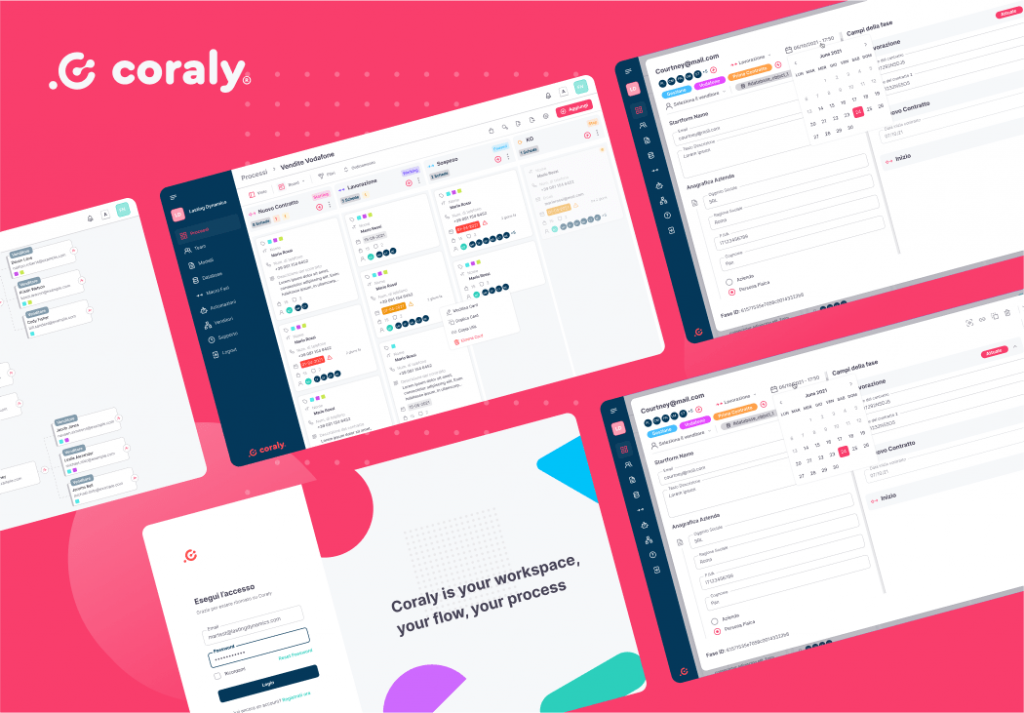
At Lasting Dynamics, we believe strong software practices turn good ideas into lasting products. Every project we build follows clear architecture, agile iteration, and close collaboration. A great example is Coraly, a modern CRM we rebuilt from the ground up to replace outdated systems. Through clean code, improved UI/UX, and automation, we transformed it into a scalable, secure, and high-performing platform for complex sales workflows.
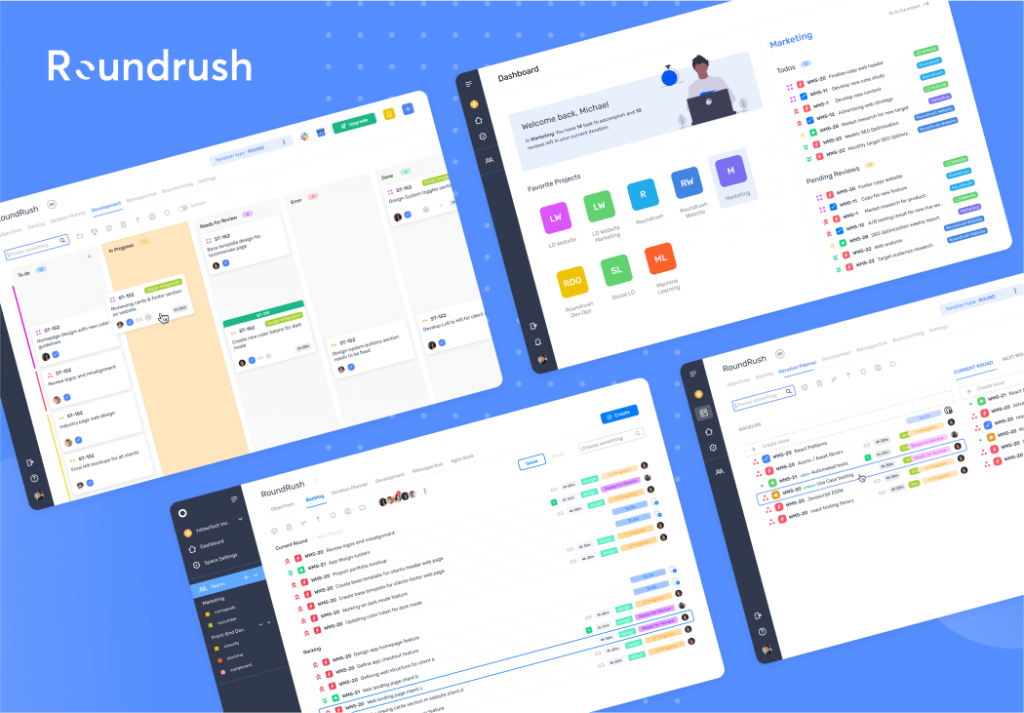
With Roundrush, we created an agile management tool designed to make development smoother and more transparent. It brings Scrum, Kanban, and testing principles together in one workspace, helping teams stay organized and aligned. Its microservice design and automation features reflect our commitment to efficiency, collaboration, and long-term product health.
Finally, VetrinaLive showcases how we apply these same principles to e-commerce. Fast, SEO-friendly, and simple to use, it empowers businesses to launch online stores quickly without technical friction. Each of these projects reflects dedication and disciplined engineering with human-centered design deliver real value. Explore our Clients section to discover more about our process, services, and success stories.
Knowing whether your processes are truly effective requires clear and consistent measurement. Key performance indicators (KPIs) provide the visibility needed to understand progress and identify areas for improvement. Metrics such as code coverage, deployment frequency, mean time to recovery, and customer satisfaction offer valuable insights into both technical quality and user experience.
Regular retrospectives and feedback sessions keep teams aligned on what’s working and what needs refinement. Comparing results against industry benchmarks helps ensure that your development process remains competitive and efficient. Over time, this data-driven approach builds a culture of accountability and continuous growth.
Ultimately, success shows itself in reliable releases, stable systems, and motivated teams. When your software is dependable and your users are satisfied, it’s a clear sign that the right practices are in place and delivering real, measurable value.
Strong software practices form the foundation of every high-quality, resilient, and scalable digital product. They bring structure to creativity, helping teams collaborate effectively, reduce risks, and deliver consistent results. More than just code quality, they create an environment where innovation can thrive, where developers have the clarity and confidence to build, test, and release with purpose.
Organizations that invest in disciplined, well-designed workflows see tangible long-term benefits: faster time to market, lower maintenance costs, and happier teams. Customers, in turn, experience more stable, reliable, and enjoyable products, strengthening trust and loyalty.
Great software isn’t just written, it’s engineered through thoughtful habits, shared standards, and continuous improvement. By committing to these principles, businesses position themselves for sustainable growth and lasting success in an ever-evolving digital landscape.
Ready to elevate your next project with good software practices? 👉 Contact Lasting Dynamics today for expert guidance and proven results in software development and delivery.
Good software practices are proven methods and guidelines for writing, testing, and maintaining high-quality code, including version control, code reviews, and documentation.
They reduce errors, speed up releases, improve team collaboration, and ensure that software is scalable and secure, leading to better business outcomes.
Start with version control, code reviews, automated testing, and regular documentation. Invest in training and use tools that support collaboration and quality.
Popular tools include Git for version control, Jenkins or GitHub Actions for CI/CD, JUnit or PyTest for testing, and SonarQube for code quality.
They complement Agile and DevOps by creating a structured, repeatable process for delivering reliable, high-quality software in fast-moving environments.
Transform bold ideas into powerful applications.
Let’s create software that makes an impact together.

Michele Cimmino
I believe in hard work and daily commitment as the only way to get results. I feel an inexplicable attraction for the quality and when it comes to the software this is the motivation that makes me and my team have a strong grip on Agile practices and continuous process evaluations. I have a strong competitive attitude to whatever I approach - in the way that I don't stop working, until I reach the TOP of it, and once I'm there, I start to work to keep the position.
