

Crafting Excellence in Software
Let’s build something extraordinary together.
Rely on Lasting Dynamics for unparalleled software quality.
Luis Lambert
Mar 19, 2026 • 9 min read
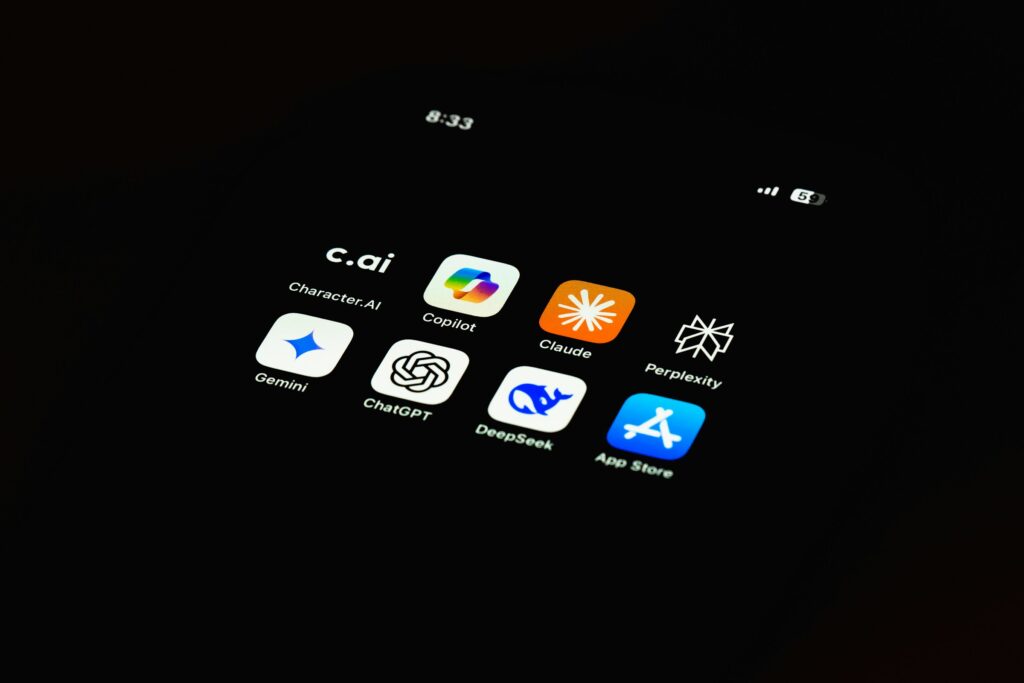
The future of AI development teams is arriving faster than many expect, with copilot AI and software engineering future trends redefining how businesses approach digital projects. By 2026, the way we build, manage, and innovate with software will shift as AI and agile development, human AI collaboration in software teams, and AI automation in software engineering become the new norm.
Companies that embrace this transformation will enjoy competitive advantages, while those who hesitate risk being left behind. As engineering team culture in the age of AI evolves, understanding these changes is mission-critical. This article explores how AI as a developer copilot will reshape software teams, processes, and business value over the next few years.
Artificial intelligence is more important than ever in the last years, it is becoming a practical, everyday presence inside modern software teams. The idea of an AI “copilot” goes beyond simple assistance, these systems work alongside developers as active contributors to daily workflows. By 2026, AI copilots will participate in planning sessions, review code, suggest improvements, and even anticipate blockers before they slow teams down.
This shift introduces a new team dynamic where AI is treated not just as a tool, but as a productive member of the development process. Copilots can take on repetitive coding tasks, track dependencies, and surface potential issues early, allowing developers to focus on system design, problem-solving, and creative thinking. The result is a faster, more resilient development cycle with fewer bottlenecks and better outcomes.
Teams that adopt AI copilots early gain a clear advantage: shorter delivery cycles, higher code quality, and improved developer experience. Rather than replacing engineers, AI extends their capabilities, helping software teams operate at a level of efficiency and creativity that would be difficult to achieve alone.
As AI becomes embedded in development workflows, traditional roles within software teams will inevitably change. Tasks such as basic code generation, routine testing, and standard bug fixes, once core responsibilities for junior developers or QA roles are increasingly handled by automation. While this reduces demand for certain entry-level tasks, it also frees human talent to focus on more complex and high-impact work.
At the same time, new hybrid roles are emerging. Profiles like AI integration specialists or prompt engineers help translate business intent into effective AI usage, ensuring systems behave as expected. Senior developers, meanwhile, spend more time on architecture, quality oversight, and guiding how AI is applied responsibly within products and teams.
In this new environment, adaptability becomes the defining skill. Developers who can collaborate with AI, interpret its outputs, and shape its role within the team will be the most valuable contributors. Organizations that invest in reskilling and continuous learning will be best positioned to navigate this transition without losing momentum.
Agile methodologies have long helped teams move faster and stay aligned, but AI is pushing them into a new phase. By 2026, agile practices will increasingly include AI copilots as contributors to sprint planning, estimation, and daily execution. AI tools can generate user stories, predict sprint capacity, and identify risks using real-time data from repositories and project management systems.
This evolution allows teams to make better decisions with less friction. Instead of relying solely on intuition or historical averages, AI provides data-driven signals that help prioritize work, spot dependencies, and adjust plans early. Developers and product managers can focus their attention where it matters most, rather than reacting to problems after they arise.
The result is a more adaptive form of agile one that blends human judgment with machine insight. Teams that bring AI into the loop are better equipped to reduce delivery risk, improve consistency, and continuously refine how they work in response to both technical and business feedback.
Let’s build something extraordinary together.
Rely on Lasting Dynamics for unparalleled software quality.
One of the most important challenges in AI-enabled teams is finding the right balance between automation and human creativity. AI excels at repetitive, structured tasks and can dramatically speed up activities like code review, testing, and documentation. But creativity, contextual understanding, and strategic decision-making remain human strengths.
High-performing teams learn to delegate routine work to AI copilots while preserving human focus for complex problem-solving and innovation. This balance improves productivity and makes work more engaging for developers, who spend less time on mechanical tasks and more time on meaningful contributions.
Achieving this balance requires clear guidelines and thoughtful oversight. Teams must decide when automation is appropriate and when human judgment is essential. Done well, this approach prevents over-automation, protects quality, and ensures that AI improves rather than constrains creative work.
Adopting AI in software teams is not just a technical upgrade, it’s a cultural transformation. A future-ready engineering culture encourages experimentation, continuous learning, and openness to change. Leaders play a critical role by setting expectations, supporting upskilling, and addressing concerns about how AI affects roles and career paths.
Organizations that succeed create space for dialogue around AI’s impact, celebrate progress driven by both humans and machines, and reward teams that explore better ways of working. This mindset builds resilience and confidence as technology continues to evolve.
Clear communication and collaborative tools are also essential, ensuring developers understand how AI fits into their daily work. By investing in culture alongside technology, companies can attract top talent, retain experienced teams, and maintain a sustainable competitive edge in an AI-driven future.

To truly benefit from AI in software teams, collaboration models must be intentional, not accidental. AI copilots should be treated as transparent partners rather than opaque tools. Developers need to understand how these systems work, where they excel, and where human judgment is essential. This includes questioning AI outputs, refining prompts, and tailoring AI behavior to real workflows.
Clear ownership is critical. AI can efficiently handle tasks like data analysis, code scanning, and automated testing, while humans remain responsible for system design, user experience, and strategic decisions. Regular reviews of this collaboration what adds value and what creates friction help teams continuously improve how they work together.
When human–AI collaboration is clearly defined, teams build trust, reduce inefficiencies, and scale more confidently. This structured partnership enables faster delivery today while preparing teams to adapt smoothly to future advances in AI.
From idea to launch, we craft scalable software tailored to your business needs.
Partner with us to accelerate your growth.
Integrating AI into development teams comes with real challenges. Resistance to change is common, often driven by fear of job loss or skepticism toward AI-generated outputs. Addressing these concerns requires openness clearly communicating what AI can and cannot do, and positioning it as an enabler rather than a replacement.
Technical barriers also play a role. Legacy systems, data security requirements, and regulatory constraints can slow adoption, particularly in sensitive industries. Teams must invest in proper onboarding, documentation, and governance to ensure AI tools are used responsibly. Ethical considerations, such as bias, accountability, and over-reliance on automation, must also be actively managed.
Organizations that confront these issues early are far more likely to succeed. Continuous dialogue, training, and iteration turn adoption challenges into learning opportunities instead of long-term blockers.
AI-driven software teams deliver tangible business value. By automating repetitive coding, testing, and maintenance tasks, companies can significantly shorten development cycles and release updates faster. Teams augmented with AI copilots consistently achieve more with fewer resources, improving both efficiency and scalability.
These improvements go beyond productivity metrics. Fewer defects, lower technical debt, and more stable releases directly impact customer satisfaction and operational costs. Many organizations already report measurable gains in code quality and delivery reliability after adopting AI-assisted development.
The real advantage, however, lies in focus. By offloading routine work to AI, developers can dedicate more time to innovation, differentiation, and long-term product strategy areas that truly drive competitive advantage.
Automation sits at the core of AI-powered development. For now in 2026, AI will manage large portions of the software lifecycle, including code generation, reviews, testing, and issue detection. This reduces manual effort while improving consistency and catching problems earlier in the process.
Modern teams benefit from faster and more reliable CI/CD pipelines, enabling frequent releases and quicker responses to change. Tools like GitHub Copilot and similar platforms are already shaping this shift, setting new expectations for speed and quality.
As automation matures, the focus will move from individual tasks to orchestrating end-to-end workflows and connecting development with other business functions, such as analytics and customer support. Teams that invest early and refine continuously will be best positioned to lead in this environment.
We design and build high-quality digital products that stand out.
Reliability, performance, and innovation at every step.
AI adoption is reshaping how teams are organized and managed. As automation absorbs more execution work, teams can become leaner, more cross-functional, and outcome-driven. The emphasis shifts from managing tasks to enabling impact.
Project managers and leaders will need new capabilities, understanding how to coordinate human and AI contributors, define meaningful goals, and measure success in highly automated environments. New indicators, such as AI utilization or collaboration effectiveness, may complement traditional performance metrics.
Success in this new model depends on flexibility. Teams that embrace experimentation, continuous feedback, and adaptation will thrive, while rigid structures and outdated management practices will struggle to keep pace with AI-driven change.
Successful software teams will rely on solid foundations that enable smooth collaboration between humans and AI. Rather than focusing on specific tools, the priority will be creating an ecosystem where AI can support development across the entire lifecycle. This includes environments that promote visibility, automation, feedback, and continuous improvement.
At the core of these teams is flexibility. AI-enabled workflows must adapt to different team structures, project sizes, and business goals. Interoperability, transparency, and scalability become essential characteristics, allowing teams to evolve without being locked into rigid systems or short-term solutions.
Ultimately, the strongest teams will be those that view technology as an enabler, not the centerpiece. When the foundations are right, AI naturally increases productivity, quality, and decision-making, without overshadowing human expertise or creativity.
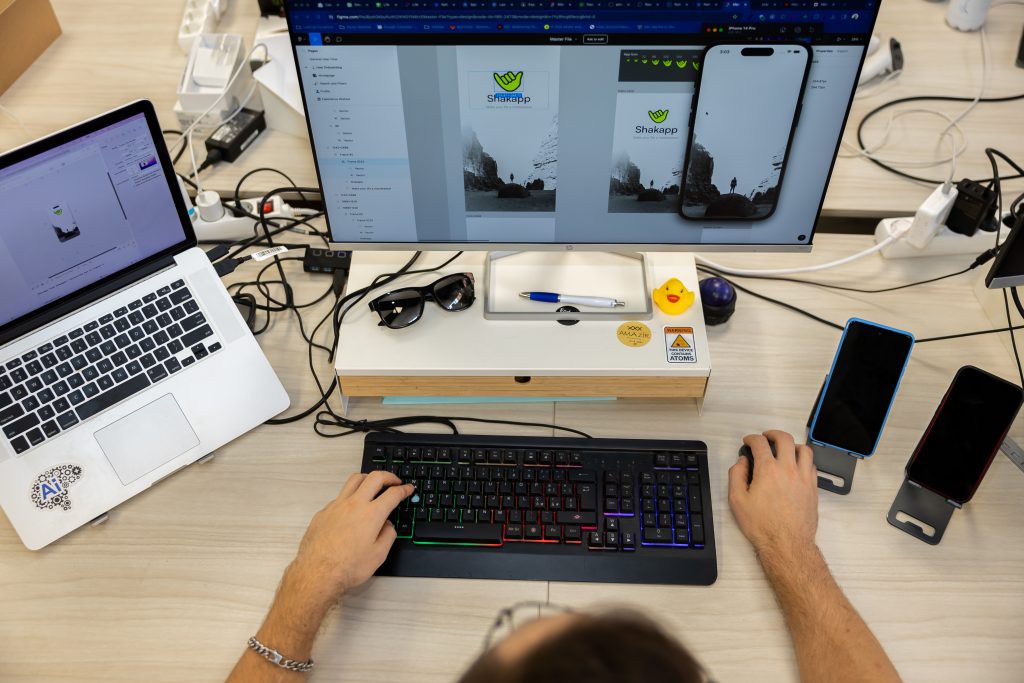
Preparing for AI-driven development starts with intention and leadership. Teams need structured learning opportunities training programs, workshops, and hands-on experimentation to build confidence and practical skills. Beyond technical knowledge, organizations should value adaptability, critical thinking, and curiosity when hiring and developing talent.
Processes must evolve alongside skills. Agile practices should encourage experimentation, fast feedback, and iterative improvement, making room for AI as an active participant in daily workflows. Psychological safety is key: teams must feel comfortable testing new approaches, questioning AI outputs, and learning from mistakes.
Organizations that invest early in people, processes, and mindset will be better equipped to navigate the transition. Readiness is not about perfection, but about building the capacity to learn and adapt continuously.
As 2026 approaches, AI-powered development teams are no longer a future concept, they are becoming the standard. Copilot AI, automation, and human–AI collaboration are reshaping how software is designed, built, and delivered. Ignoring this shift is no longer a neutral choice; it is a competitive risk.
Companies that succeed will be those that treat AI as a strategic partner rather than a short-term productivity hack. By evolving roles, rethinking agile practices, and fostering strong collaboration between humans and machines, organizations can achieve faster delivery, higher quality, and more resilient engineering teams.
The opportunity is clear. By preparing teams today, building the right foundations, and nurturing a culture of learning and adaptability, businesses can lead the transition toward a future where humans and AI build better software together.
Ready to future-proof your development team? 👉 Contact Lasting Dynamics today to schedule a demo or consultation and discover how our AI-powered solutions can transform your software engineering operations for 2026 and beyond.
By 2026, AI will reshape software teams by automating routine tasks and augmenting developer productivity through copilot tools. Teams will become leaner and more cross-functional, with fewer purely junior roles and more hybrid positions focused on human-AI collaboration, system design, and strategic decision-making.
Copilot AI helps software teams deliver faster, improve code quality, and reduce repetitive manual work. By assisting with code generation, reviews, and testing, AI allows developers to focus on higher-value activities such as architecture, problem-solving, and product innovation, ultimately increasing overall business impact.
Common challenges include resistance to change, trust in AI-generated outputs, integration with existing systems, and concerns around data privacy and ethics. Organizations must also address skills gaps through continuous training and establish clear guidelines to balance automation with human oversight.
Leading AI automation tools include GitHub Copilot, OpenAI APIs, Tabnine, and cloud-based development platforms that support AI-assisted coding, testing, and project management. These tools are setting new standards for productivity and collaboration in modern software engineering teams.
Companies can prepare by investing in AI literacy, promoting continuous learning, and fostering a culture of experimentation and adaptability. Hiring for curiosity and problem-solving skills, updating agile processes, and encouraging human-AI collaboration are key steps toward a successful AI transformation.
Transform bold ideas into powerful applications.
Let’s create software that makes an impact together.

Luis Lambert
I’m a multimedia designer, copywriter, and marketing professional. Actively seeking new challenges to challenge my skills and grow professionally.
