

Crafting Excellence in Software
Let’s build something extraordinary together.
Rely on Lasting Dynamics for unparalleled software quality.
Michele Cimmino
Jan 05, 2026 • 10 min read

The travel industry is evolving at lightning speed. New destinations rise in popularity overnight, digital platforms grow increasingly saturated, and traveler expectations shift in real time. What worked yesterday may not resonate tomorrow, and brands that fail to adapt risk being left behind. In this competitive environment, the ability to anticipate change and respond with agility has become the new currency of success.
Artificial intelligence (AI) has emerged as the game-changer that makes this possible. Far from being a distant innovation, AI is now embedded in the very core of modern travel marketing. It empowers brands to unlock live insights, personalize experiences on a global scale, and optimize campaigns with unprecedented precision. From analyzing traveler behavior to predicting demand, AI equips marketers with tools that go beyond traditional strategies, turning complexity into opportunity.
As we move into 2025, adopting AI is no longer about keeping pace, it’s about setting the pace. The brands that leverage AI effectively will not only capture attention but also build lasting trust and loyalty. In an industry where change is constant, AI offers the clarity and adaptability needed to thrive. For travel companies, the message is clear: the future of marketing isn’t just digital, it’s smart and personalized.

Personalization at scale, powered by AI. Photo by Kevin Paster on Pexels: https://www.pexels.com/es-es/foto/macbook-pro-en-mesa-de-madera-marron-1901388/
The travel industry is fiercely competitive and uniquely dynamic. Trends, customer preferences, and booking behaviors shift rapidly, influenced by everything from viral videos to sudden global events. Traditional marketing strategies, static campaigns, broad audience segments, and one-size-fits-all messaging, simply can’t keep up.
According to TOMIS, the future of successful travel marketing lies in leveraging AI-powered insights. These technologies empower brands to interpret vast data streams, predict what travelers want next, and respond instantly to market shifts. Whether optimizing ad spend or crafting content that resonates on a personal level, AI transforms guesswork into precision.
Without AI, travel marketers risk falling behind. Manual processes are too slow for today’s environment. Competitors who adopt AI can capture opportunities, optimize budgets, and deliver the seamless experiences that modern travelers expect.
Travel marketers have always faced unique challenges: seasonal demand swings, fluctuating inventory, and a customer base with infinite choices. But the digital age has added new layers of complexity. Channels multiply, social, search, OTAs, apps, while customer journeys become nonlinear and harder to track.
Another major pain point is data overload. Brands collect massive amounts of information from bookings, loyalty programs, website visits, and social media, but synthesizing this data into actionable insights is daunting. Marketers struggle to segment audiences effectively or personalize offers in real time.
Finally, measuring ROI is harder than ever. Attribution across devices, channels, and touchpoints often feels like an unsolvable puzzle. Manual reporting eats up hours, leaving less time for strategy and creative work. These pain points are why travel brands are flocking to AI-powered solutions that turn chaos into clarity.
AI excels at transforming raw travel data into actionable intelligence. Machine learning algorithms can analyze booking patterns, search trends, and even weather or event data to anticipate demand spikes or lulls. With these insights, marketers can proactively adjust campaigns, pricing, and inventory.
For example, AI can identify micro-segments, like last-minute solo travelers or families seeking eco-friendly stays and suggest targeted offers. These insights go far beyond demographics, tapping into real-time intent and context. The result is marketing that feels relevant and timely, driving higher engagement and conversion rates.
Moreover, AI tools can monitor social chatter and review sentiment, flagging emerging trends or potential issues before they impact bookings. This level of insight empowers brands to stay proactive, not reactive, in an industry where timing is everything.

Generic ads and emails are no longer relevant. Today’s travelers expect experiences tailored not just to their interests, but to their exact moment in the journey. AI makes this possible at scale. By analyzing user behavior, past bookings, and even browsing patterns, AI-powered platforms can serve up personalized content on websites, apps, and email campaigns.
Imagine a user browsing a ski resort’s website. AI can instantly recommend relevant packages, show real-time snow conditions, and even offer a targeted discount for dates that fill slower. If that visitor returns later, the site adapts, highlighting new deals or upsell options based on updated data.
Personalization isn’t just about conversion, it builds loyalty and trust. When a traveler feels understood, they are far more likely to book, rebook, and share their positive experience with others.
Paid media is a cornerstone of travel marketing, but it’s easy to waste budget on the wrong audiences or stale creative. AI-driven ad targeting flips the script, using predictive analytics to find the most valuable segments and deliver the right message at the right moment.
Platforms like Google Ads and Meta now offer AI-powered bidding and audience optimization. But advanced tools go further, using lookalike modeling, intent signals, and even weather or local events to dynamically adjust spend and creative. The result: higher return on ad spend (ROAS), reduced cost per acquisition, and less wasted budget.
Travel companies leveraging AI for ad targeting can also respond in real time to market disruptions, shifting spend instantly if a route closes, an event is canceled, or a competitor launches a new promotion.
One of the greatest strengths of AI in travel marketing is its ability to track, attribute, and optimize performance across every channel and touchpoint. AI-powered analytics platforms provide end-to-end visibility, mapping each step of the customer journey and highlighting what’s working (and what’s not).
Automated dashboards surface key metrics, impressions, clicks, bookings, revenue and can even predict future performance based on historical trends. Marketers can set up real-time alerts, A/B test creative, and instantly reallocate budget to top-performing campaigns.
With AI, performance tracking isn’t just about reporting, it’s about continuous improvement. Marketers can act on insights, iterating strategies quickly and maximizing results in an industry where speed is a competitive advantage.
Let’s build something extraordinary together.
Rely on Lasting Dynamics for unparalleled software quality.
AI-powered marketing delivers benefits that ripple across the travel business. First, it drives higher conversion rates by matching the right offer to the right traveler at the right time. Second, it improves budget efficiency, every dollar of ad spend is tracked, analyzed, and optimized for maximum impact.
AI also provides deeper customer understanding. Brands can learn not only what’s working, but why, enabling smarter decisions and long-term loyalty. And because AI can react instantly to market shifts, brands stay agile, able to capture new opportunities or mitigate risks before competitors do.
Finally, AI frees up human teams for higher-level strategy and creative work, reducing manual reporting and campaign management. The result: a marketing organization that’s faster, smarter, and better equipped to win in a crowded marketplace.
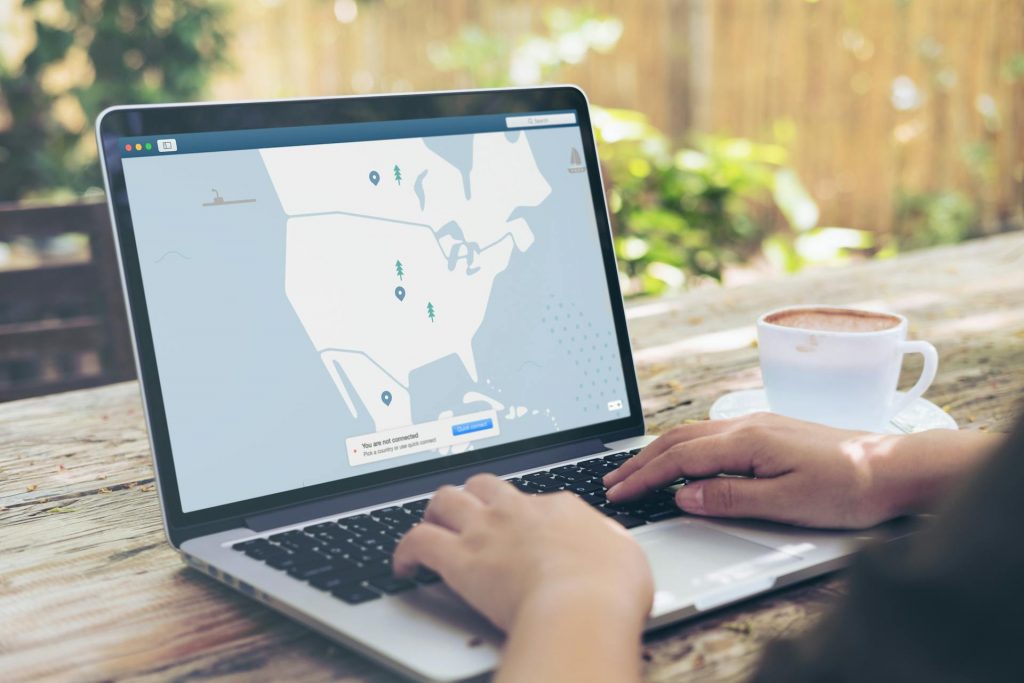
Smarter journeys start with AI-driven marketing. Photo by Kevin Paster on Pexels: https://www.pexels.com/es-es/foto/persona-que-usa-una-computadora-portatil-negra-y-gris-junto-a-la-taza-de-ceramica-blanca-en-la-mesa-de-madera-marron-1923286/
While the benefits are clear, adopting AI in travel marketing does require organizational change. Marketers may worry about job security, data privacy, or the complexity of new tools. Leadership must champion a culture of learning and experimentation, providing training and support as teams adapt to new workflows.
Start with small pilots, such as dynamic email personalization or AI-driven bidding, demonstrate quick wins, and expand from there. Involve cross-functional teams (IT, sales, customer service) to break down silos and maximize data integration.
Transparency is key. Communicate how AI augments, rather than replaces, human creativity and insight. With the right change management approach, teams can embrace AI as an ally, not a threat, unlocking new levels of engagement and performance.
To assess the impact of AI-powered marketing, brands need to go beyond surface-level impressions and clicks. A comprehensive evaluation should capture not only how campaigns perform in numbers, but also how they influence customer perception, loyalty, and long-term value.
By combining quantitative data with qualitative insights, companies can build a fuller picture of effectiveness, identify strengths and gaps, and continuously refine their strategies. Measuring success in this way transforms AI from a buzzword into a tangible driver of growth and customer trust.
Regularly reviewing these metrics is not just about reporting results, it’s about creating a feedback loop that powers smarter decisions and stronger outcomes. By keeping performance data tied to business goals and customer expectations, brands can adapt quickly to changes in the travel market, double down on what works, and course-correct when needed.
In a sector where trends shift overnight, this disciplined approach ensures that AI marketing delivers lasting impact, sustainable growth, and experiences that truly resonate with travelers.
As travel brands collect and analyze more data, privacy and ethical AI use become paramount. Regulations like GDPR and CCPA set strict standards for data collection, consent, and transparency. AI solutions must be designed with privacy by default, ensuring data is secure and only used with explicit customer permission.
Responsible AI also means monitoring for bias in ad targeting or content personalization, and ensuring that automation doesn’t cross the line into manipulation. Regular audits, transparent reporting, and clear opt-out options are essential for maintaining trust.
Brands that prioritize privacy and ethical AI not only avoid regulatory pitfalls, they build deeper, more lasting relationships with their customers.
AI marketing success requires more than adopting advanced tools, it demands an agile, collaborative, and forward-looking team. Modern marketing no longer sits in isolation, it overlaps with data science, development, and user experience design. Marketers who learn to speak the language of these fields can co-create campaigns that are not only creative but also data-driven and technically sound, ensuring strategies reach their full potential.
Investing in ongoing training and fostering a culture of experimentation are equally important. Teams should be encouraged to explore new platforms, test emerging tools, and adapt quickly to feedback from both data and customers. Recognizing small wins, learning from missteps, and sharing knowledge across departments builds resilience and confidence.
Ultimately, building an AI-ready marketing team is about cultivating adaptability. Markets evolve, consumer expectations shift, and technology advances at a rapid pace. By focusing on people as much as platforms, organizations can ensure that AI becomes a sustainable advantage rather than a passing trend, powering marketing strategies that are innovative, responsive, and ready for the future.
From idea to launch, we craft scalable software tailored to your business needs.
Partner with us to accelerate your growth.
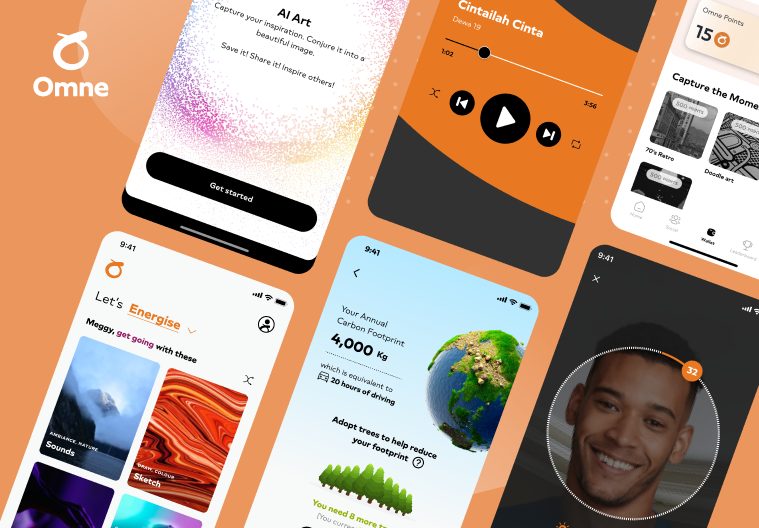
At Lasting Dynamics we believe that effective travel marketing starts with products that generate meaningful data. OMNE, our lifestyle and insurance super-app, shows how engagement-driven features create steady interaction patterns. These signals are the foundation for AI to deliver timely, personalized offers, the same principle that travel brands can apply to build loyalty and stronger campaigns.
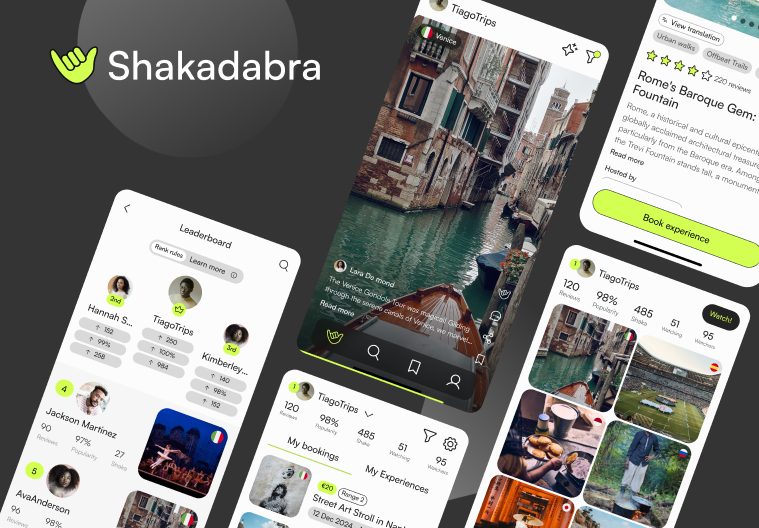
Shakadabra highlights another side of this approach. As a marketplace for live experiences with video reviews and user stories, it naturally produces content that AI can analyze to spot trends, shape recommendations, and fuel creative campaigns. For travel marketing, this means authentic voices become the driver of targeted, high-impact storytelling.
Together, these projects show how designing for engagement and leveraging data unlocks real opportunities with AI. For more examples of how we put this into practice, you can explore the client section of our website.
The future of travel marketing belongs to brands that harness the power of AI. By leveraging data-driven insights, dynamic personalization, smart ad targeting, and real-time performance tracking, marketers can not only delight travelers but also build long-term trust and loyalty. AI isn’t just a tool for efficiency, it’s the foundation for stronger storytelling, deeper connections, and sustainable growth in an industry that thrives on human experience.
Adapting to this new landscape requires more than technology alone. It calls for a shift in mindset, where creativity and innovation are paired with data and automation. Brands that embrace this balance will be able to anticipate customer needs, respond faster to changing market conditions, and craft experiences that feel both personal and relevant. In a world where travelers have endless choices, these qualities will separate the leaders from the followers.
With the right strategy, tools, and team, every travel brand has the potential to turn AI into a competitive edge. The road ahead is dynamic and demanding, but it is also full of opportunity. Those who take action now will not only keep pace with change but help shape the future of travel itself. And in that future, success will belong to the brands that are ready, resilient, and always one step ahead.
Ready to boost your travel marketing with the power of AI? 👉 Contact Lasting Dynamics to unlock next-level insights, automate your campaigns, and build customer loyalty in the fast-moving world of 2025 and beyond.
AI enables travel brands to analyze data in real time, personalize content, optimize ad targeting, and iterate campaigns faster than ever, dramatically improving bookings and engagement.
Top tools include AI-powered analytics platforms, dynamic personalization engines, programmatic ad platforms, customer data platforms, and chatbots for customer engagement.
We design and build high-quality digital products that stand out.
Reliability, performance, and innovation at every step.
AI analyzes user behavior, intent, and external signals (like weather or events) to target ads more precisely, maximizing ROI and minimizing wasted budget.
Key metrics include conversion rate uplift, cost per acquisition, website engagement, retention rates, and the speed of campaign optimization.
Brands must ensure privacy compliance (GDPR, CCPA), monitor for bias, and build transparency into their AI systems to maintain customer trust and meet regulations.
Transform bold ideas into powerful applications.
Let’s create software that makes an impact together.

Michele Cimmino
I believe in hard work and daily commitment as the only way to get results. I feel an inexplicable attraction for the quality and when it comes to the software this is the motivation that makes me and my team have a strong grip on Agile practices and continuous process evaluations. I have a strong competitive attitude to whatever I approach - in the way that I don't stop working, until I reach the TOP of it, and once I'm there, I start to work to keep the position.
