

Crafting Excellence in Software
Let’s build something extraordinary together.
Rely on Lasting Dynamics for unparalleled software quality.
Luis Lambert
Mar 23, 2026 • 10 min read

At Lasting Dynamics, we’ve witnessed firsthand how digital transformation has evolved from a trend into a defining factor for long-term success. Our mission has always been to help companies navigate this change with clarity and confidence, turning complex technological shifts into measurable business outcomes. Through projects across healthcare, fintech and education, we’ve seen how innovation, when combined with the right mindset, can reshape entire business models and improve people’s lives.
In 2026, digital transformation is about more than adopting new tools, it’s about integrating technology into every layer of the organization. Companies are using AI to personalize customer journeys, cloud infrastructure to improve scalability, and automation to accelerate workflows. Success comes from aligning these innovations with real business goals, such as efficiency, sustainability, and human-centered value.
As we look ahead, the most inspiring examples of transformation are those that balance innovation with authenticity. Businesses that understand their users, invest in continuous learning, and stay adaptable will lead the digital era.
An important advise is that we must view digital transformation as more than just a technological upgrade, it’s a complete reimagination of how a business operates, delivers value, and interacts with its customers. True transformation happens when companies integrate technology into their culture, not just their systems. This evolution allows teams to respond swiftly to change, automate repetitive work, and make smarter, data-informed decisions that elevate both performance and experience.
In our projects, we’ve seen that success in digital transformation depends on balance, uniting people, processes, and platforms with a shared vision for improvement. It’s not simply about adopting AI or automation, it’s about cultivating a mindset of innovation and resilience.
By 2026, this mindset has become a defining factor in business survival. Organizations that invest in transformation are setting new standards in efficiency, sustainability, and customer engagement, while those who resist risk losing relevance.
The digital landscape in 2026 is shaped by powerful forces that redefine how companies compete and deliver value. Technologies like cloud computing, AI, automation, and advanced analytics have become essential tools for scaling operations and improving decision-making. But just as critical are the rising expectations of customers who demand fast, frictionless, and personalized digital experiences across every touchpoint.
At Lasting Dynamics, we’ve watched these shifts accelerate since the pandemic era, as organizations moved rapidly toward remote work, digital-first models, and data-driven decision-making. Companies that can pivot, optimize, and innovate through digital tools are better positioned to navigate uncertainty and capture new opportunities.
Transformation is also driven by external pressures, regulatory shifts, sustainability goals, and global supply chain challenges. The ability to adapt is now a strategic advantage, not just a technical one. Businesses that embed flexibility and foresight into their digital strategy are the ones setting the pace for the next decade.
Before embarking on digital transformation, many organizations face barriers that limit their growth potential. Legacy systems, fragmented data, and outdated workflows make it difficult to scale or innovate. Teams spend valuable time managing repetitive tasks instead of creating value, while decision-makers struggle with incomplete insights and slow reporting cycles.
Let’s build something extraordinary together.
Rely on Lasting Dynamics for unparalleled software quality.
These inefficiencies don’t just affect operations, they shape company culture and customer satisfaction. At Lasting Dynamics, we’ve often encountered teams frustrated by disconnected tools and rigid structures that prevent real collaboration. The result is higher costs, slower reactions, and reduced competitiveness in markets that evolve daily.
Addressing these challenges begins with awareness. Recognizing what’s holding the organization back is the first step toward transformation. Once the obstacles are clear, companies can redesign their processes with purpose, building agile, data-driven ecosystems that empower their people and prepare them for sustainable, long-term success.
An important aspect to mention is that digital transformation doesn’t just modernize workflows, it redefines what’s possible for businesses and their people. Automation frees teams from repetitive tasks, empowering them to focus on creativity, problem-solving, and innovation. With real-time data and analytics, organizations make smarter decisions and anticipate market trends before they happen.
The customer experience also evolves dramatically. Digital transformation allows companies to deliver faster, more personalized, and consistently high-quality service. Internally it strengthen teamwork, and promote agility across departments. These capabilities create a workplace culture that thrives on innovation and adaptability rather than resistance to change.
For leaders, the return on investment is tangible. Companies that commit to transformation report higher efficiency, stronger market positioning, and sustained revenue growth. At Lasting Dynamics, we’ve helped organizations achieve these outcomes by building custom digital ecosystems that adapt to their needs and evolve with their ambitions. Transformation, when done right, creates momentum that lasts.
Digital transformation takes many shapes, depending on the industry and its challenges, but its essence remains the same: using technology to solve problems, improve performance, and create value. Lasting Dynamics stands up as an excellent example, we’ve collaborated with organizations across sectors, helping them translate digital potential into real-world success stories.
In finance, automation ensures regulatory compliance while AI improves fraud detection and customer support. Healthcare is harnessing digital tools for patient management, telemedicine, and predictive analytics to improve care outcomes. Manufacturing benefits from IoT-powered smart factories that optimize production and logistics, while retail relies on data-driven insights to personalize marketing and deliver seamless omnichannel experiences.
Each case highlights a simple truth, when digital initiatives are aligned with strategic goals, they generate measurable impact. From reduced costs and improved efficiency to happier customers and empowered employees, transformation drives growth that resonates across every level of an organization.
The financial sector has been one of the most active frontiers of digital transformation. Banks, fintech startups, and insurance providers are all reimagining their operations to stay competitive in an increasingly digital economy. Automation simplifies compliance and reporting, while AI and machine learning strengthen fraud detection and credit risk management. Meanwhile, digital onboarding and mobile-first platforms have made financial services faster, more transparent, and more user-friendly.
From idea to launch, we craft scalable software tailored to your business needs.
Partner with us to accelerate your growth.
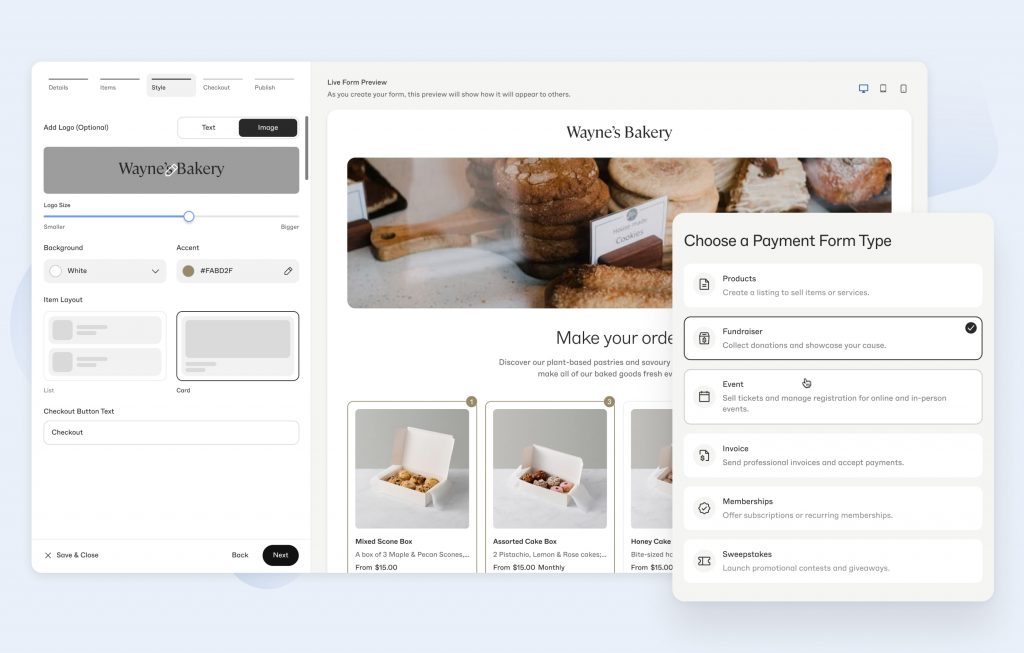
At Lasting Dynamics, we brought this vision to life with GivePayments, a next-generation fintech platform designed to simplify online transactions and improve transparency for both businesses and users. By integrating real-time analytics, secure cloud infrastructure, and AI-driven automation, GivePayments enables frictionless payments across multiple currencies while maintaining full regulatory compliance. This project exemplifies how technology can not only improve speed and security but also empower financial ecosystems to grow sustainably.
The results speak for themselves: improved compliance, faster processing, and stronger customer loyalty. For today, financial transformation isn’t optional, it’s a benchmark for success. Companies that invest early set new standards for speed, transparency, and trust across the entire financial ecosystem.
The healthcare industry is undergoing a profound digital shift, one centered on improving care quality, accessibility, and security. From electronic health records to AI-powered diagnostics, digital tools are empowering medical professionals to make better, faster decisions. Telemedicine platforms now connect patients and doctors across borders, while data analytics enables hospitals to predict health risks and personalize treatments more effectively.
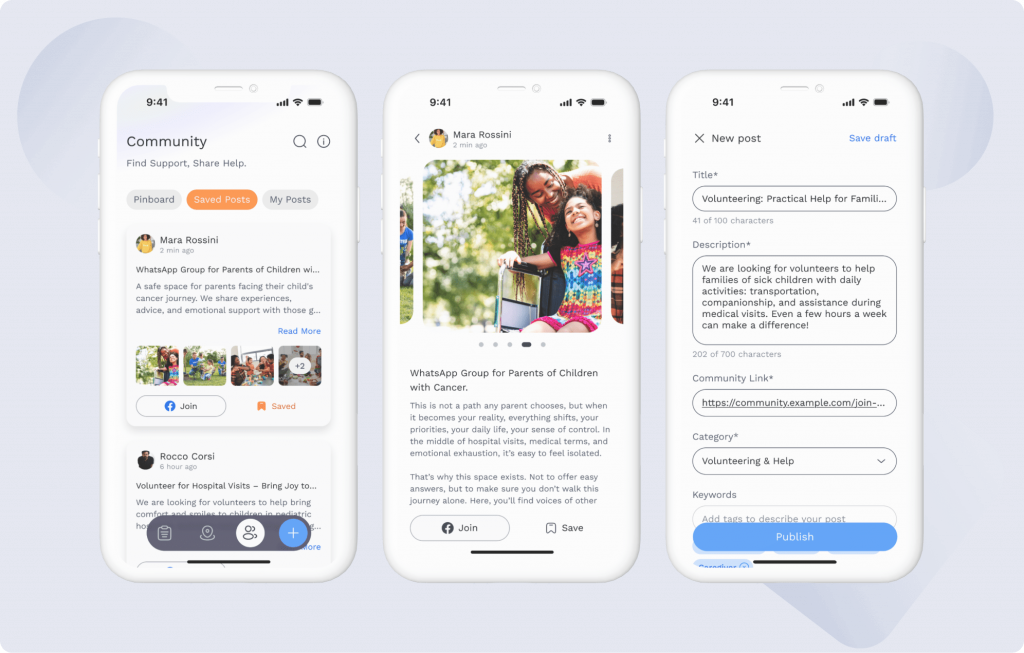
At Lasting Dynamics, our project INFANT represents how artificial intelligence can revolutionize healthcare outcomes. Developed for pediatric oncology, INFANT leverages advanced machine learning models to assist in early cancer detection and treatment planning. The platform processes complex medical data securely while offering intuitive interfaces that help clinicians make informed, timely decisions.
This transformation extends in more than just the technology, it’s about empathy, trust, and connection. Blending intelligent systems with human-centered design, healthcare organizations can deliver services that are not only more efficient but also more compassionate. The future of medicine is with the digital evolution, and it’s transforming lives one interaction at a time.
Manufacturing is undergoing a revolutionary shift driven by Industry 4.0, where technology is deeply embedded in every stage of production. Smart factories now use IoT sensors, robotic automation, and advanced analytics to monitor machinery in real time, minimizing downtime, anticipating failures, and reducing maintenance costs. This shift from reactive to predictive operations allows manufacturers to operate with unprecedented efficiency and precision.
More than just factory floor, digitalized supply chains are transforming how manufacturers plan, produce, and deliver goods. Real-time data integration supports accurate demand forecasting and intelligent inventory management, reducing waste and improving responsiveness to market fluctuations. Through digital twins and simulation modeling, companies can test production strategies before implementation, ensuring optimal performance and safety. If you are interested to know more, we have a blog about supply chains services.
Ultimately, digital transformation in manufacturing drives productivity, profitability, and sustainability. By combining automation with human insight, companies can create safer work environments, faster production cycles, and products that meet evolving consumer expectations. Those who embrace this evolution position themselves to lead in a global market where agility defines success.
The retail industry is evolving at lightning speed as consumer expectations grow more sophisticated and competition intensifies. Digital transformation empowers retailers to deliver consistent, frictionless shopping experiences across online and offline channels. Modern e-commerce platforms now connect seamlessly with CRM and ERP systems, enabling dynamic pricing, real-time inventory tracking, and data-driven personalization at scale.
We design and build high-quality digital products that stand out.
Reliability, performance, and innovation at every step.
Artificial intelligence plays a central role in this transformation. Retailers use AI algorithms to analyze browsing and purchase data, offering precise product recommendations and optimizing marketing campaigns for each customer segment. Omnichannel strategies, spanning mobile apps, physical stores, and social media, allow shoppers to buy, return, or engage wherever they choose, building convenience and trust.
A newer trend gaining traction is gamification, where retailers turn shopping into an engaging experience through loyalty programs, interactive challenges, and rewards. This approach not only boosts engagement but also strengthens emotional connection with the brand. Ultimately, digital transformation in retail turns customer interaction into a continuous journey, driven by data, personalization, and delight.
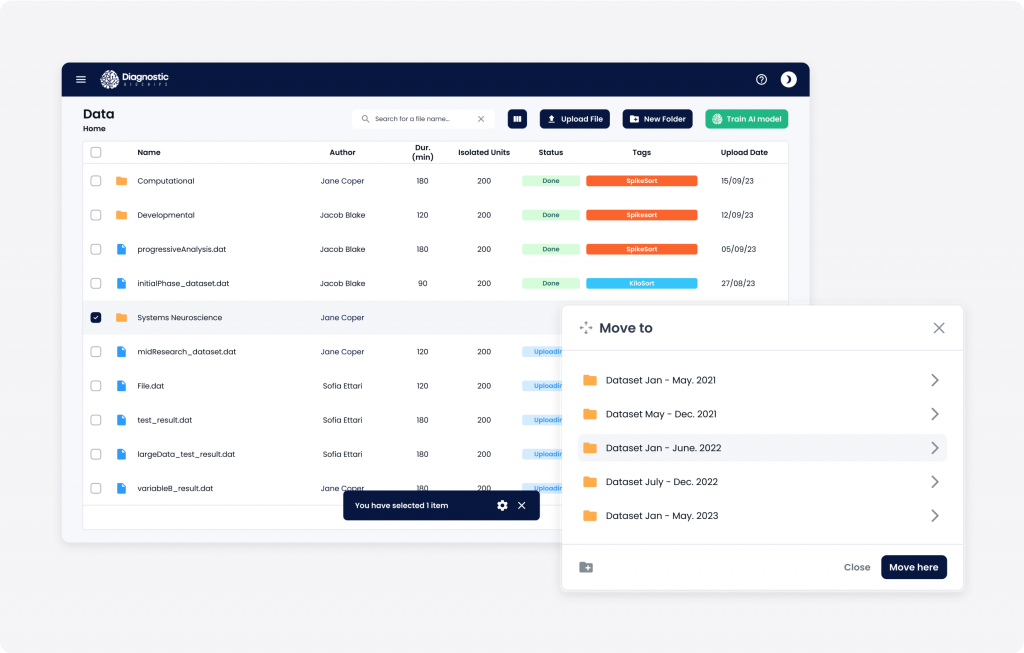
At the core of digital transformation lies a powerful ecosystem of technologies that enable innovation and agility. Cloud computing provides scalable infrastructure and seamless remote access, allowing businesses to expand operations effortlessly. Artificial intelligence fuels automation, predictive analytics, and hyper-personalization, turning massive datasets into meaningful insights that guide strategic decisions.
Automation tools streamline processes and eliminate repetitive work, freeing teams to focus on creativity and problem-solving. Meanwhile, data analytics platforms transform raw information into actionable intelligence, improving forecasting and operational accuracy. The Internet of Things (IoT) connects devices and systems, ensuring continuous monitoring and optimization across industries, from logistics and energy to healthcare and manufacturing.
Choosing the right technology stack is no longer a purely technical decision, it’s a strategic one. Companies that align digital tools with their business goals can unlock efficiency, resilience, and sustained growth. As technology continues to evolve, those who integrate it with purpose will define the next era of digital excellence.
Starting a digital transformation journey begins with clarity and purpose. The first step is to assess your current state, understanding where inefficiencies, gaps, and opportunities lie. Define measurable goals that align with business priorities, whether it’s improving customer experience, reducing costs, or accelerating innovation. From there, develop a roadmap that balances quick wins with long-term transformation value, ensuring that every initiative contributes to sustainable growth.
Success in this process also depends on people. Engage employees from the start, encourage collaboration, and promote a culture of continuous learning. Empower teams with the right tools and training so they can adapt confidently to new systems and workflows. Partnering with experienced technology providers ensures that the solutions you implement are secure, scalable, and aligned with your business strategy, helping you turn ideas into measurable impact.
Remember that digital transformation isn’t a one-time event, it’s an evolving process of iteration and improvement. Many digital transformation show that small, strategic steps often lead to the biggest breakthroughs. Start where you are, test new ideas, learn fast, and scale what works, the key is to move forward with focus and consistency.
Every digital transformation faces challenges, resistance to change, skill shortages, and limited budgets often stand in the way. The key to overcoming them lies in open communication and empathy. Help teams understand the purpose behind the transformation and how it benefits them directly. When people see value, resistance turns into participation.
Change management plays a crucial role in maintaining momentum. Offer consistent training, provide access to learning resources, and recognize small achievements to keep motivation high. Support from leadership should be visible and active, showing commitment not only in words but in actions.
External expertise can also make a difference, bringing fresh perspectives and proven practices to accelerate progress. Celebrate milestones along the way, as each success, no matter how small, builds confidence and reinforces trust in the process.
Digital transformation has become the defining force behind innovation and competitiveness in 2026. It’s not just about implementing new tools, it’s about rethinking how organizations operate, create value, and connect with customers. Companies that understand this shift are using technology to improve decision-making, automate processes, and deliver more personalized experiences, paving the way for smarter, more agile businesses.
The key to success lies in aligning technology adoption with clear business objectives. Transformation efforts should focus on solving real challenges, enhancing efficiency, and enabling growth rather than following trends. Continuous learning, adaptability, and a data-driven mindset ensure that change is both strategic and sustainable. Organizations that build this foundation can evolve faster and stay resilient in an ever-changing digital landscape.
Ready to transform your business? 👉 Contact Lasting Dynamics today for a free digital transformation assessment and discover how we can accelerate your success in 2026!
Digital transformation means using technology to improve how businesses operate, serve customers, and adapt to change.
Define KPIs such as cost savings, revenue growth, and customer satisfaction. Track progress with analytics and adjust as needed.
Core technologies include cloud computing, AI, automation, IoT, and advanced analytics.
Examples include banks automating compliance, hospitals using telemedicine, factories adopting IoT, and retailers launching e-commerce platforms.
Lasting Dynamics offers consulting, custom development, and implementation services, tailored to your industry and goals.
Transform bold ideas into powerful applications.
Let’s create software that makes an impact together.

Luis Lambert
I’m a multimedia designer, copywriter, and marketing professional. Actively seeking new challenges to challenge my skills and grow professionally.
