

Crafting Excellence in Software
Let’s build something extraordinary together.
Rely on Lasting Dynamics for unparalleled software quality.
Luis Lambert
Mar 25, 2026 • 10 min read

Right now in 2026 a lot is happening, the term "green on green" is more than just a phrase, it's the way for a smarter, more conscious way of doing business. The world is finally realizing that innovation and sustainability don’t have to be separate goals, they actually thrive together. Every decision we make in technology, design, and operations has the potential to push us toward a cleaner, more efficient future.
At Lasting Dynamics, we’ve always believed that progress without responsibility isn’t really progress at all. That’s why we integrate sustainable thinking into every stage of our projects, from the first line of code to the final deployment. For us, “green on green” means layering sustainability on top of innovation, making each iteration of our work greener, faster, and more purposeful.
This mindset doesn’t just reduce waste or carbon impact, it builds long-term trust. Businesses that choose to care about the planet also care about people, and that connection inspires loyalty, creativity, and growth. The green revolution isn’t coming, it’s already here. The real question is... how green do we want to be next?

Building the future, green on green. Photo by Google DeepMind on Unsplash: https://unsplash.com/photos/a-green-tree-with-a-blue-sky-ts4Y8-wTDWM
The phrase “green on green” takes sustainability a step further. It’s about continuously improving existing eco-friendly practices instead of stopping once you’ve met a goal. Imagine building a solar-powered system and then finding ways to make its components recyclable or its production process cleaner. That’s the essence of green on green: progress that never rests.
In technology, this means not only adopting green tools, but reinventing how those tools work. It’s about writing more efficient code, using low-energy hosting solutions, and designing systems that minimize waste over time. Each improvement becomes the foundation for the next, layering innovation upon sustainability.
This concept challenges companies to think beyond compliance. It’s not about doing the minimum required, it’s about asking how much better can we do? That curiosity, that drive to keep getting greener, is what separates short-term initiatives from lasting change.
Green technology has come a long way since its early focus on recycling and renewable energy. Today, it’s an interconnected ecosystem of tools and ideas designed to make our world smarter, cleaner, and more efficient. From AI-powered energy management systems to sustainable data centers, every innovation adds a new layer of intelligence to how we use resources.
What’s exciting is how digital transformation has accelerated this growth. With real-time analytics, automation, and predictive insights, we can now anticipate problems before they cause damage. Technology doesn’t just react to environmental challenges, it helps prevent them. This shift marks a new era where being sustainable is also being strategic.
As this evolution continues, “green on green” becomes the ultimate goal: creating technology that improves the planet while continuously improving itself. It’s innovation with conscience, momentum and purpose, but that it’s only just beginning.
Let’s build something extraordinary together.
Rely on Lasting Dynamics for unparalleled software quality.
Technology has always been about solving problems, but now, one of the biggest challenges it faces is the one it helped create. The digital sector, from massive data centers to personal devices, consumes enormous amounts of energy every day. Every time we stream, code, or deploy a new app, there’s a hidden carbon cost behind the scenes. Acknowledging that reality isn’t about guilt, it’s about opportunity.
As demand for connectivity and computing power grows, so does our responsibility to make it cleaner. Small changes can create massive effects: smarter cooling systems, renewable-powered cloud infrastructure, and more efficient code can collectively save tons of CO₂ emissions. Technology doesn’t have to be part of the problem, it can be a major part of the solution if guided by the right mindset.
Caring for the environment is no longer an optional gesture, it’s a strategic decision that defines trust, relevance, and long-term success. The world now expects transparency, responsibility, and measurable action. Companies that embrace this shift are proving that sustainability and innovation can grow side by side and that tech, when it cares, can lead global change.
The world for last years is more conscious, more connected, and more demanding. Climate science isn’t just a discussion point, it’s shaping global regulation, investment flows, and business priorities. Every industry is being asked the same question: what are you doing to help? For technology, that answer lies in how deeply sustainability is integrated into its foundation.
“Green on green” has become the blueprint for modern competitiveness. It’s not enough to innovate, innovation itself must be sustainable. That means choosing suppliers that meet environmental standards, using infrastructure powered by clean energy, and designing software that minimizes energy waste. Each decision, big or small, now reflects a company’s values in real time.
Businesses that take the lead in this movement are gaining more than credibility, they’re building resilience. Sustainable companies attract passionate talent, earn investor confidence, and stay ahead of shifting regulations. Green on green isn’t just about being eco-friendly, it’s about being future-ready.
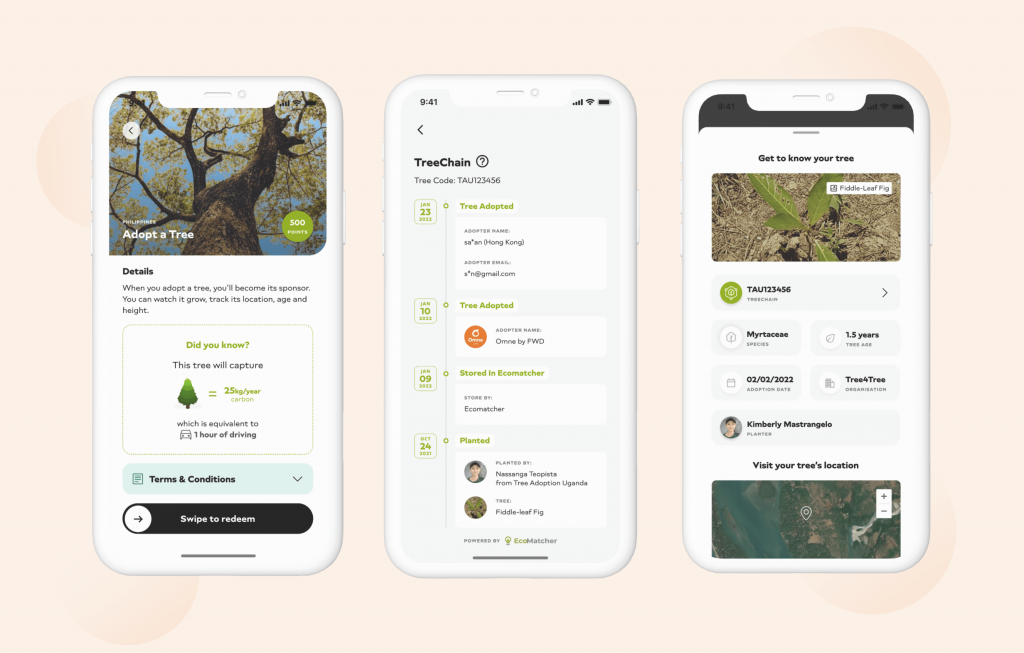
Sustainability sounds idealistic until you see it in action and that’s exactly what’s happening across industries today. Smart grids are revolutionizing how we distribute energy, balancing renewable sources with real-time demand. Green data centers are becoming the new normal, cutting energy consumption through advanced cooling systems and AI-based optimization. The Internet of Things, once seen as a luxury, now plays a key role in monitoring energy use and reducing waste.
These aren’t isolated experiments, they’re large-scale transformations. Manufacturing companies are redesigning their supply chains to reduce emissions. Software firms are measuring the energy cost of every algorithm. Even logistics and agriculture are using predictive analytics to save resources. Each of these efforts proves that sustainability and performance can work together seamlessly.
At Lasting Dynamics, we see this convergence as the next big wave in digital progress. The more technology aligns with green goals, the more powerful its impact becomes, not only for business efficiency, but for the planet itself. Green technology isn’t just a nice story anymore, it’s the new standard for intelligent innovation.
From idea to launch, we craft scalable software tailored to your business needs.
Partner with us to accelerate your growth.
Real change starts with awareness. When tech teams understand the environmental impact of their work, they start to think differently. That awareness transforms everyday decisions, like which hosting service to use, how to manage data, or how to design an app, into opportunities to make a positive difference. It’s culture, not just policy, that drives sustainable innovation.
Environmental education inside organizations can spark powerful results. Workshops, internal initiatives, and transparent reporting help people see the connection between their work and the world outside their screens. Suddenly, sustainability becomes everyone’s responsibility, not just the CEO’s or the sustainability officer’s.
And here’s the best part: awareness pays off. Companies that promote sustainability from within see more motivated teams, stronger retention, and customers who genuinely care about their mission. People want to support brands that align with their values. By embedding environmental awareness into their culture, tech companies don’t just create better products, they create better futures.
Adopting green technology sounds simple in theory, but in practice, it comes with challenges. The initial investment can feel steep, especially for organizations still balancing short-term goals with long-term sustainability. Add to that the complexity of integrating new systems and the need for specialized expertise, and it’s easy to see why some businesses hesitate. Yet, these obstacles are part of any meaningful transformation, they mark the start of real progress.
Many companies overcome these barriers by beginning small. Instead of redesigning everything at once, they focus on high-impact pilot projects that deliver visible results. These wins build confidence and generate internal support for larger initiatives down the road. Success, in this case, isn’t about perfection, it’s about momentum. Each step forward proves that sustainable innovation is achievable and worth pursuing.
Collaboration also plays a key role. Partnering with experts, joining sustainability networks, and sharing knowledge across industries can dramatically speed up the transition. The journey to green innovation isn’t one to walk alone, it thrives on community, creativity, and persistence.
The next chapter of green technology is one of imagination and integration. Artificial intelligence, machine learning, and edge computing are reshaping how we manage and distribute energy. These tools allow for smarter grids, adaptive systems, and predictive models that optimize consumption in real time. What once seemed futuristic is now within reach and it’s redefining what’s possible.
Meanwhile, startups are experimenting with groundbreaking solutions: biodegradable electronics, sustainable packaging, even blockchain-based systems for energy trading. Established players are following suit, embedding environmental intelligence into their operations. The result is a new ecosystem where innovation serves both business goals and the planet’s wellbeing.
For forward-thinking organizations, this shift represents a chance to lead rather than react. Investing early in green technology builds readiness for future regulations and unlocks new markets that prioritize sustainability. The companies that embrace this evolution now will be the ones shaping the standards of tomorrow.
We design and build high-quality digital products that stand out.
Reliability, performance, and innovation at every step.
When people talk about green technology, the focus often falls on cost savings and efficiency, and while those are important, they’re only part of the story. The true value of sustainability goes far deeper. It strengthens reputation, attracts conscious consumers, and inspires employees who want to work for a purpose-driven company. In an age of transparency, those intangibles translate into powerful, long-term advantages.
Sustainable innovation also builds resilience. Businesses that think green tend to be more adaptive, better prepared for disruptions, and quicker to pivot when markets or regulations change. This flexibility doesn’t just protect revenue, it protects relevance. A company aligned with sustainability is one that stays aligned with the future.
Ultimately, “green on green” thinking redefines success. It invites leaders to look beyond quarterly returns and see the broader value they create, for society, for ecosystems, and for generations to come. Profitability and responsibility can, and should, grow together.
Turning good intentions into real impact requires structure. A green technology roadmap helps bridge that gap between vision and execution. The first step is honest assessment, understanding where the organization stands today in terms of energy use, waste, and digital efficiency. From there, it’s about setting measurable goals that align with both environmental and business priorities.
Involving diverse teams early on is key. Engineers, designers, managers, and even clients bring valuable perspectives that shape more realistic and effective plans. When everyone feels ownership of the mission, sustainability stops being a policy and becomes part of the company’s culture. Regular tracking and transparent reporting help maintain accountability and build trust both inside and outside the organization.
Above all, a roadmap should be alive, it evolves as technology advances and lessons are learned. The most successful sustainability journeys are those that stay flexible, open to new innovations, and committed to continuous improvement. Going green on green isn’t a one-time project, it’s an ongoing evolution toward a smarter, cleaner future.
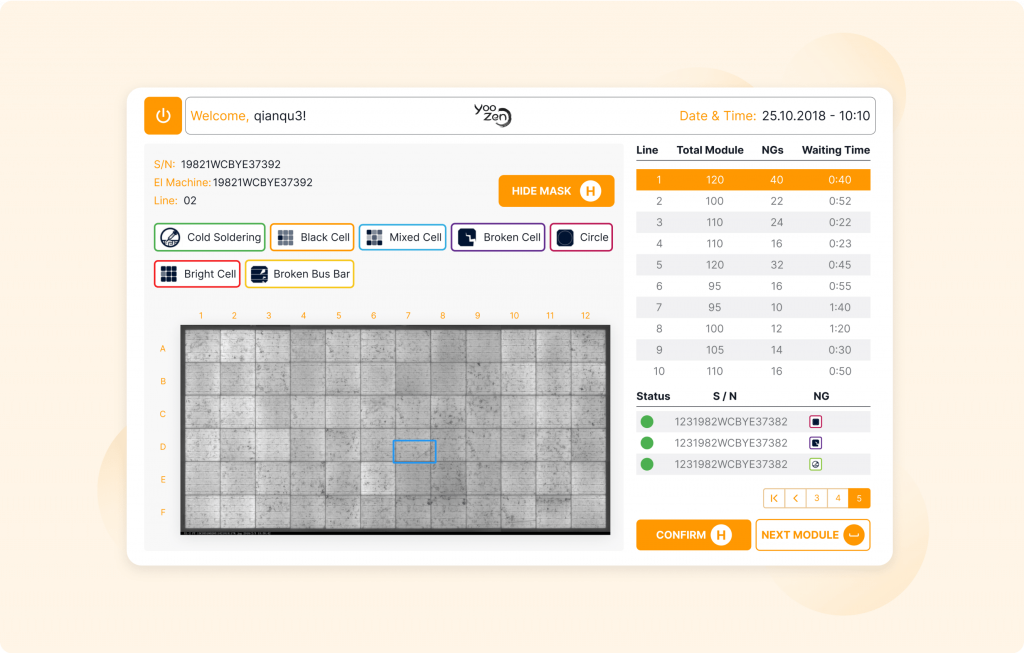
Lasting Dynamics doesn’t just talk about sustainability, they build it into their work and workplace. The company presents itself as plastic-free and CO₂-neutral and showcases multiple green-shift case studies like OMNE and Yoozen that mix hands-on conservation projects with tech solutions, proving they treat sustainability as operational practice, not just marketing.
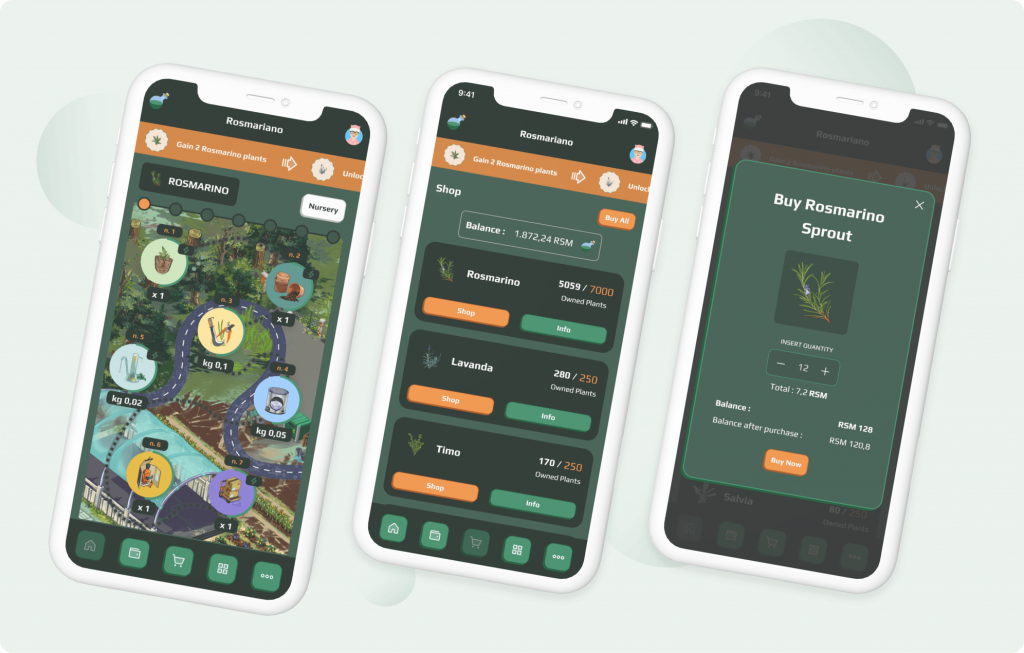
One standout example is Rosmariano, a collaborative project that blends real-world farming initiatives with a blockchain-enabled web and mobile experience, plus eco-centric features such as tokenization of plants, innovative materials for 3D printing, and even highway plant systems to fight emissions. Lasting Dynamics acted as the technical partner, building the custom software, game mechanics and blockchain layers that make the idea work in practice.
What unites the real leaders in green tech is mindset more than size: transparency, willingness to experiment, and the discipline to keep improving. Whether it’s startups inventing new materials or established firms optimizing supply chains, the pattern is the same, sustained commitment beats one-off gestures. That’s the signal worth watching if you want to know who’s actually leading.
Now for the “green on green” represents a new standard for how organizations grow, compete, and innovate. Sustainability is no longer a side initiative, it’s the engine driving smarter strategies, stronger cultures, and deeper customer trust. Companies that invest in green technology today are setting the tone for the decade ahead, proving that profit and purpose can work together in perfect balance.
As expectations rise, leaders must go beyond compliance and embrace sustainability as a creative force. The real winners of tomorrow will be those who use technology to make a tangible difference, to the planet, to people, and to progress itself. Green on green thinking turns innovation into responsibility and responsibility into opportunity.
At Lasting Dynamics, we stand ready to help organizations take that leap. Our mission is to guide businesses toward smarter, cleaner, and more meaningful growth, where technology doesn’t just serve success, but also serves the world. The time to act is now. Build greener, build better, and build a future that truly lasts.
Ready to future-proof your business with sustainable innovation? 👉 Contact Lasting Dynamics for a custom green technology strategy that drives results and supports a cleaner, brighter tomorrow.
“Green on green” refers to the ongoing layering of sustainable practices and solutions within technology, focusing on continuous improvement and innovation in reducing environmental impact.
Examples include renewable energy systems, smart grids, eco-friendly data centers, low-energy software, and IoT-based environmental monitoring.
Caring about environmental impact is essential for compliance, market competitiveness, brand reputation, and meeting consumer and investor demands.
Benefits include cost savings, operational efficiency, improved reputation, employee engagement, and new market opportunities.
Start by assessing your current practices, setting measurable goals, involving all stakeholders, and choosing scalable green technology solutions.
Transform bold ideas into powerful applications.
Let’s create software that makes an impact together.

Luis Lambert
I’m a multimedia designer, copywriter, and marketing professional. Actively seeking new challenges to challenge my skills and grow professionally.
